Serengeti vs Tarangire: The Definitive Guide to Which Park Fits Your Itinerary
Serengeti vs Tarangire is the comparison every northern Tanzania trip planner runs into sooner or later, and for good reason — these are the two parks travelers ask about most. You’ve probably already narrowed your safari down to these exact names, but what most first-time planners don’t realize is that the two serve very different purposes in an itinerary, and picking the wrong one — or visiting them in the wrong order — can cost you a full travel day or a wildlife experience you were counting on. In this guide, we’ll break down exactly how each park fits into your trip so you can build an itinerary that matches your time, budget, and priorities.
Key Takeaways
- The Serengeti National Park is Tanzania’s largest national park, famous for the Great Migration of over a million wildebeest and zebra across its open plains.
- Tarangire National Park is smaller and closer to Arusha, known for its dense elephant population and iconic baobab tree landscapes.
- Serengeti visits are best timed to the Great Migration calendar, while Tarangire offers strong wildlife viewing year-round, especially in the dry season from June to October.
- Tarangire generally costs less to visit and sees fewer crowds than the Serengeti, making it a practical choice for shorter or budget-conscious trips.
- Serengeti requires a minimum of three days to properly experience its scale, while Tarangire can be well-covered in one to two days.
- Many well-planned Tanzania itineraries combine both parks rather than choosing exclusively between them.
- Family travelers and first-time safari-goers often start with Tarangire before continuing to the Serengeti for a fuller experience.
What Are the Serengeti and Tarangire National Parks?
The Serengeti and Tarangire are two of Tanzania’s most visited national parks, but they offer fundamentally different safari experiences. The Serengeti is an ecosystem of roughly 14,750 square kilometers of open plains, riverine forest, and kopjes in northern Tanzania, best known as the stage for the Great Migration. Tarangire, by contrast, is a compact 2,850-square-kilometer park south of Arusha, defined by the Tarangire River, ancient baobab trees, and one of the highest elephant densities in East Africa — according to the Tanzania National Parks Authority (TANAPA), 2025.
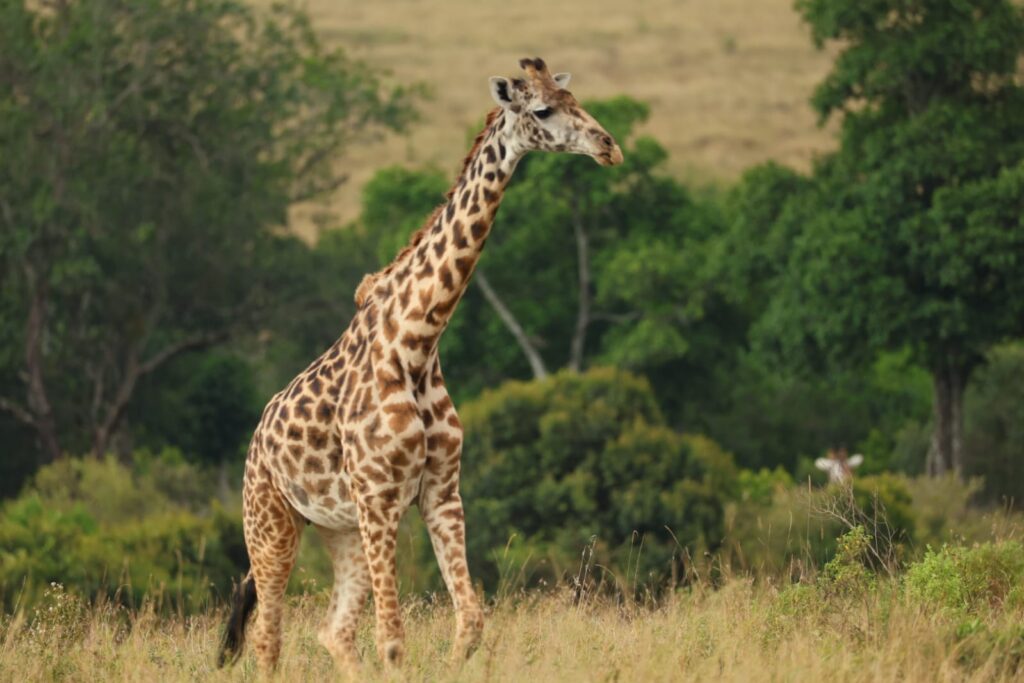
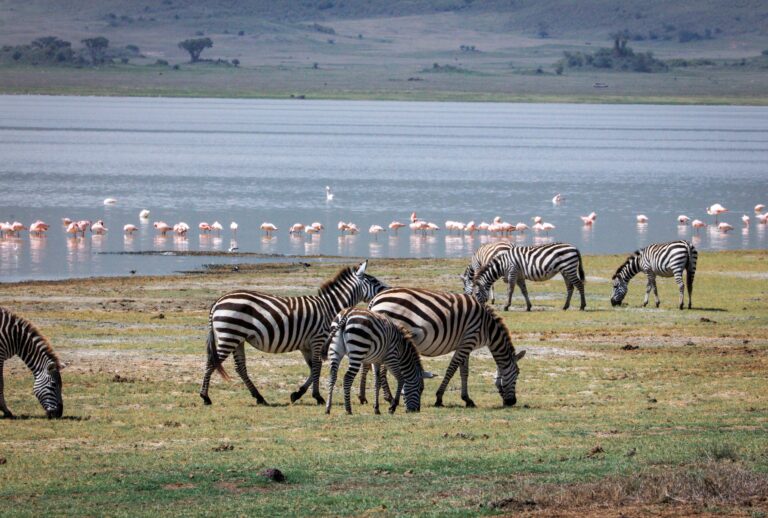
First, consider the Serengeti’s scale. It stretches from central Tanzania to the Kenyan border, connecting seamlessly with the Masai Mara, and its plains support the largest concentration of plains game on the continent. For example, during the calving season between January and March, more than 8,000 wildebeest calves can be born on the southern Serengeti plains in a single day, drawing predators from every direction. If you want a deeper look at how this ecosystem functions across the year, our Serengeti National Park destination guide covers its regions in detail.
At the same time, Tarangire tells a different story. This park is built around a single permanent water source — the Tarangire River — which pulls in wildlife from a much larger, drier surrounding ecosystem during the dry season. Moreover, Tarangire is home to some of Tanzania’s oldest and largest baobab trees, some estimated at over 500 years old, which give the park a distinctive, almost prehistoric landscape. You can read more about the park’s terrain and wildlife patterns in our full Tarangire National Park guide.
As such, the two parks aren’t really competitors — they’re complementary pieces of a northern Tanzania circuit. Serengeti delivers scale and migration drama, while Tarangire delivers concentrated elephant sightings in a fraction of the time. Understanding that distinction is the first step to building an itinerary that actually fits your trip.
Geography and Getting There
The Serengeti sits in north-central Tanzania and is typically reached either by a long road transfer from Arusha (six to eight hours) or a light-aircraft flight of about 45 to 90 minutes, depending on which airstrip you’re using. Tarangire, on the other hand, is only a two-hour drive south of Arusha, which makes it one of the most accessible parks in the country. For example, a traveler landing at Kilimanjaro International Airport in the late morning can realistically be on a Tarangire game drive by early afternoon the same day, something that’s rarely possible with the Serengeti.
Ecosystem and Habitat Differences
The Serengeti’s habitat is dominated by short-grass and long-grass plains in the south, transitioning to woodland and riverine forest in the west and north. This variety is part of why the park supports such an enormous range of species across different seasons. Tarangire, in contrast, is defined by acacia woodland, seasonal swamps, and the Tarangire River itself, which acts as the ecological anchor for the entire park during the dry months. In addition, Tarangire’s baobab-dominated landscape gives it a visually distinct character that photographers often describe as more dramatic and sculptural than the open Serengeti plains.
Why Does the Serengeti vs Tarangire Decision Matter for Your Itinerary?
The Serengeti vs Tarangire decision matters because it directly affects how many travel days, how much budget, and which wildlife experiences your trip can realistically include. Most travelers have a fixed window — five to ten days is typical — and every extra day in one park is a day not spent somewhere else.
For example, a traveler chasing the Great Migration river crossings in July needs to prioritize the Serengeti’s northern sector, which may mean cutting Tarangire down to a single overnight stop or skipping it altogether. In addition, a family with young children and a shorter attention span for long game drives often does better starting in Tarangire, where wildlife sightings are frequent and drive times are short, before tackling the Serengeti’s bigger distances.
That being said, budget plays an equally large role. Serengeti lodges and mobile camps, especially near migration corridors, tend to command premium rates during peak season. Tarangire, by comparison, has a wider range of budget-friendly safari options alongside mid-range and luxury properties, which can make it easier to stretch a limited budget further.
Plus, getting the order wrong has real consequences. Flying or driving into the Serengeti first, then backtracking through Tarangire on the way out, can add unnecessary transfer time. Planning the route correctly from the start — usually Tarangire or Lake Manyara first, then the Serengeti — saves both money and fatigue. This is exactly why itinerary sequencing deserves as much attention as park selection itself.
Common Mistakes Travelers Make When Choosing Between Them
A few recurring mistakes show up in itineraries that try to squeeze both parks in without enough planning. First, some travelers book a Serengeti stay without checking migration timing at all, then arrive expecting river crossings that simply aren’t happening in that region that month. For example, a July booking in the southern Serengeti will miss the northern crossings entirely, since the herds have already moved on by then. Second, other travelers overcommit to Tarangire, spending three or four nights there when one or two would have sufficed, leaving less time for the Serengeti’s larger and more varied ecosystem. Moreover, some itineraries treat park selection as an afterthought to flight logistics, booking whichever park is more convenient to reach rather than the one that actually matches the traveler’s priorities. Avoiding these mistakes usually comes down to defining your top priority — migration timing, budget, or family logistics — before building the rest of the trip around it.
How Do Serengeti and Tarangire Differ in Wildlife Viewing?
Serengeti and Tarangire differ in wildlife viewing primarily because of scale and specialty: the Serengeti offers volume and migration spectacle, while Tarangire offers concentrated elephant herds and strong predator sightings around its river. Both parks hold the Big Five, but the character of each safari feels distinct.
Serengeti’s Great Migration and Predator Density
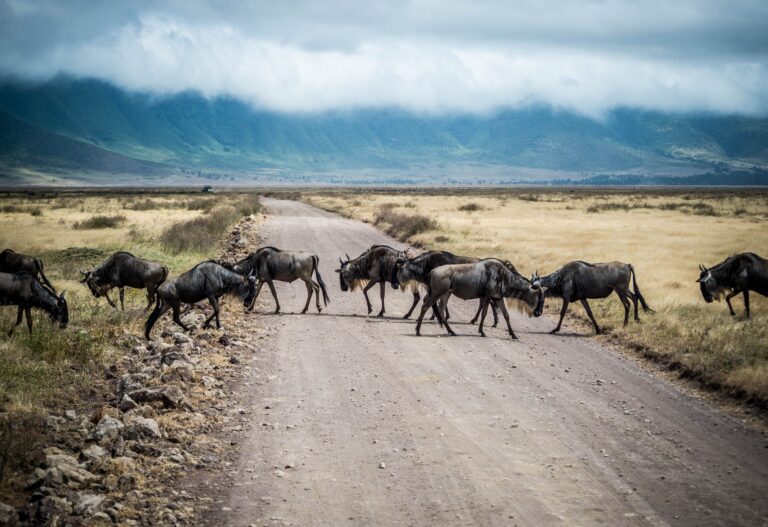
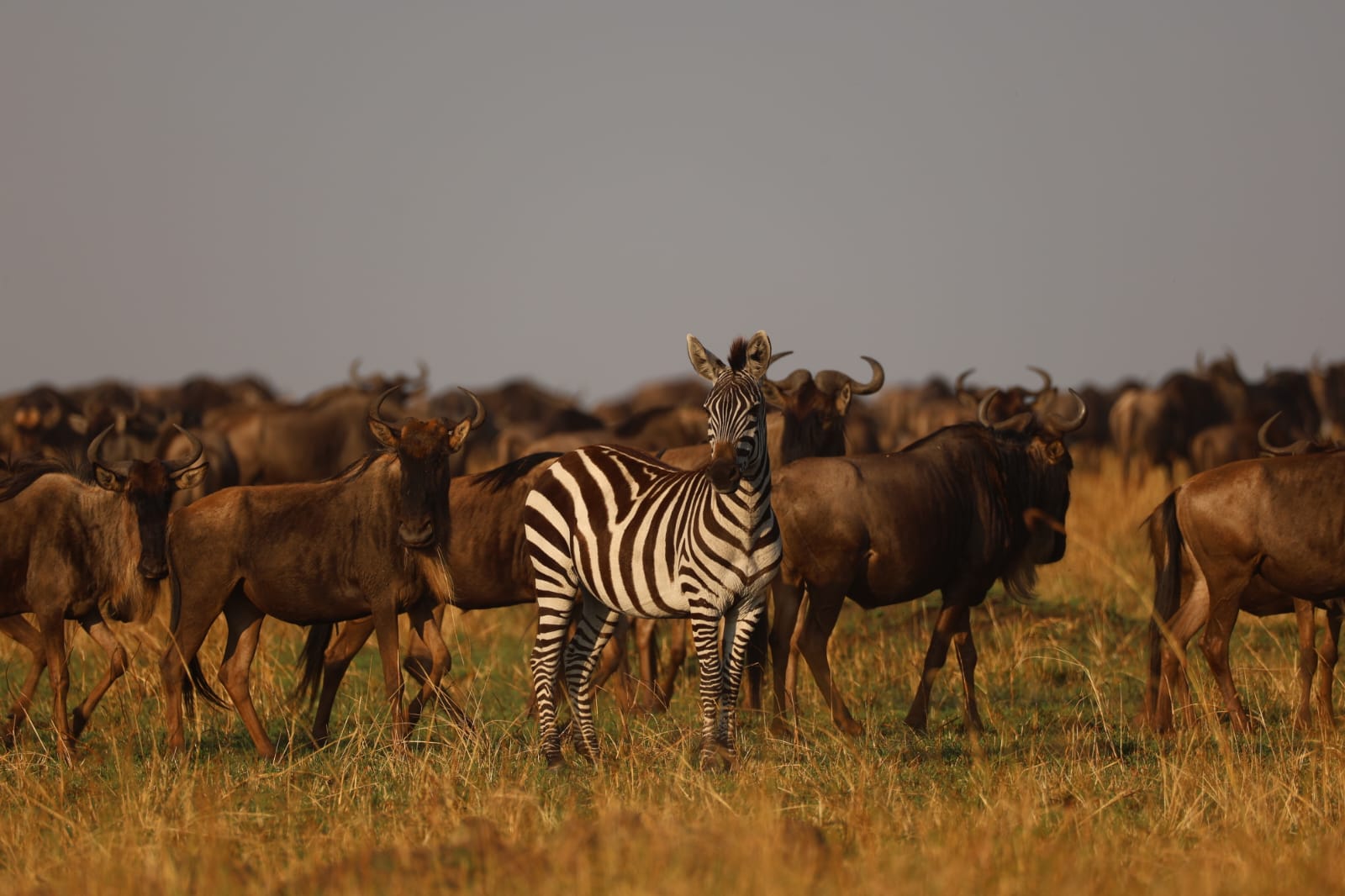
The Serengeti’s defining wildlife event is the Great Migration, an annual, roughly 800-kilometer clockwise circuit of over 1.5 million wildebeest and 250,000 zebra moving in search of grazing and water. For example, the dramatic Mara River crossings between July and September, where wildebeest funnel through crocodile-infested waters, are among the most photographed wildlife events on the planet. The park also supports Tanzania’s highest density of lions, with some prides holding territories directly along the migration corridors.
Tarangire’s Elephant Herds and Baobab Landscape
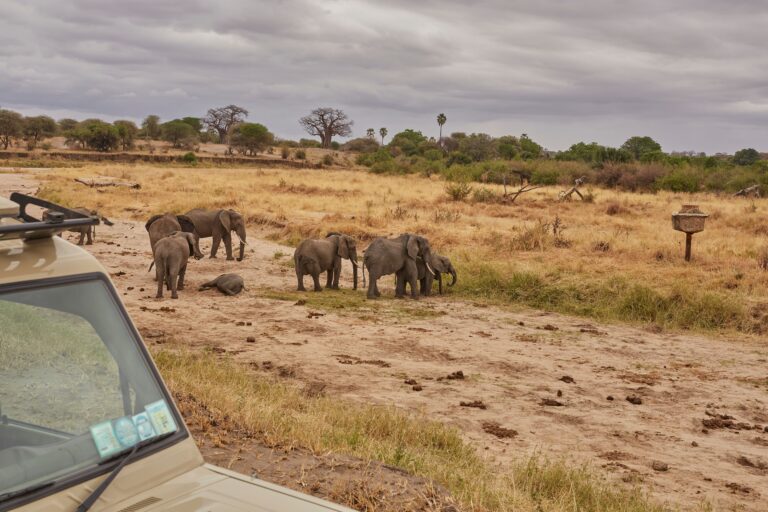
Tarangire, on the other hand, is best known for elephants. Herds of over 300 individuals have been recorded converging on the Tarangire River during the dry season, making it one of the most reliable places in Tanzania to see large elephant family groups up close. For example, visitors on a single morning game drive in August or September frequently encounter multiple herds within a few hours, something that’s far less predictable in the vast Serengeti plains. The park’s dense baobab groves also attract tree-climbing pythons, leopards resting in low branches, and over 550 recorded bird species — Tarangire National Park bird checklist, TANAPA, 2024.
| Wildlife Factor | Serengeti | Tarangire |
|---|---|---|
| Signature experience | Great Migration river crossings | Large elephant herds at the river |
| Predator density | Very high, especially lions | High, especially around water sources |
| Best months for volume | December–July (varies by region) | June–October (dry season) |
| Bird species | 500+ | 550+ |
| Park size | ~14,750 km² | ~2,850 km² |
Big Cats and Predator Sightings Compared
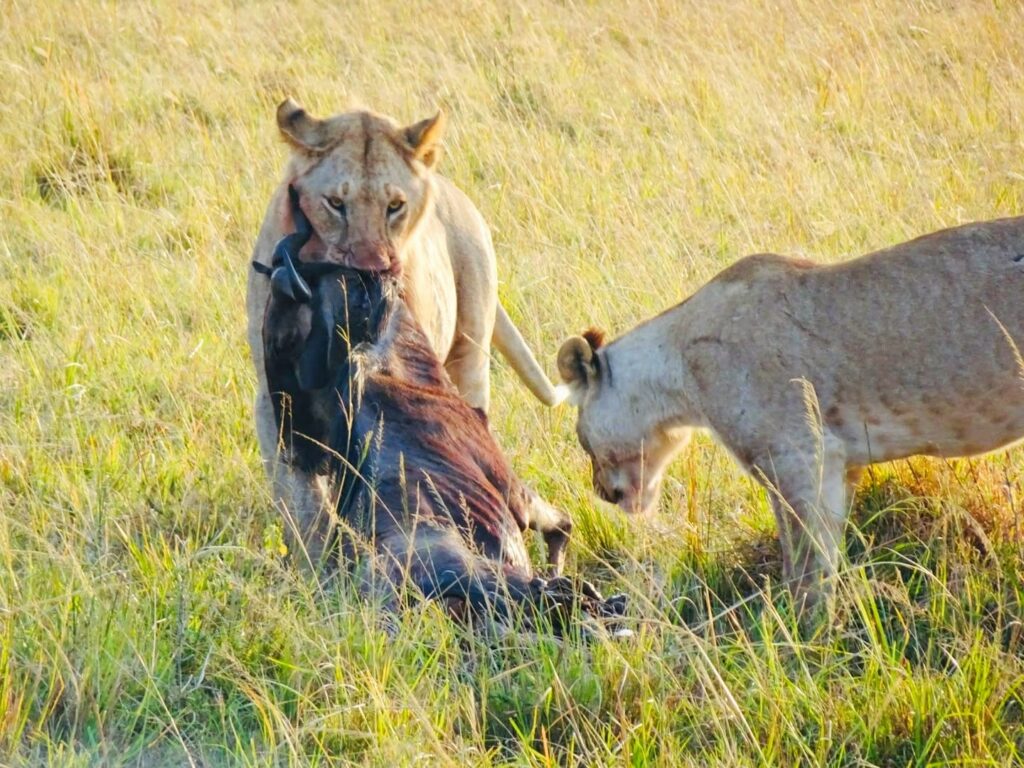
Lions are common in both parks, but their behavior differs noticeably. In the Serengeti, prides often follow the migration, which means sightings can shift by dozens of kilometers within a single season. For example, guides in the western corridor may see resident prides gorge on wildebeest during the crossing months, then track them moving elsewhere once the herds pass through. Tarangire’s lions, leopards, and occasional cheetahs stay closer to the permanent river system year-round, which can make them somewhat easier to predict, if slightly less dramatic in scale. Leopards in Tarangire are also frequently spotted resting in baobab branches, a sighting that’s distinctive to this park.
Crowd Levels and How They Affect the Experience
Crowd levels differ significantly between the two parks, with the Serengeti drawing far more vehicles during peak migration months than Tarangire ever does. This matters because it directly affects how a safari feels, not just what you see.
First, popular river-crossing points in the Serengeti during July through September can attract a dozen or more vehicles at a single sighting, particularly near well-known crossing spots. For example, a highly anticipated crossing can turn into a semicircle of safari vehicles parked along the riverbank, which some travelers find exciting and others find crowded. Tarangire, by comparison, sees a fraction of the visitor volume, even during its own dry-season peak, largely because it’s smaller and less internationally marketed than the Serengeti. As such, travelers who prioritize a quieter, more exclusive-feeling safari often lean toward Tarangire or the Serengeti’s less-visited western and southern sectors rather than the classic northern crossing points.
When Is the Best Time to Visit the Serengeti?
The best time to visit the Serengeti depends on which part of the Great Migration you want to see, since the herds move through different regions on a predictable annual cycle. There isn’t a single “best month” for the entire park — it depends on your priority.
First, if witnessing the dramatic river crossings is the goal, plan for July through September, when the migration moves through the western and northern Serengeti toward the Mara River. For example, the Grumeti River crossings in June and the Mara River crossings from July onward both draw significant crowds but reward patient travelers with unforgettable sightings. If you’d rather see newborn wildebeest calves and the intense predator action that follows them, the southern Serengeti and Ndutu area from January to March is the better window. Our best time to see the Great Migration guide breaks this down month by month.
At the same time, the “green season” from March to May brings lower rates, fewer vehicles, and lush scenery, though some roads become harder to navigate. As such, travelers who prioritize value and solitude over guaranteed migration sightings often find this shoulder season underrated.
When Is the Best Time to Visit Tarangire?
The best time to visit Tarangire is during the dry season, from June to October, when wildlife concentrates heavily around the Tarangire River. Unlike the Serengeti, Tarangire doesn’t require precise timing around a migration calendar, which makes it a more forgiving park to schedule around flights and other stops.
For example, by August, animals that dispersed across the wider ecosystem during the rains funnel back toward the river, creating some of the densest wildlife viewing in the park’s yearly cycle. In addition, the dry season brings drier, dustier landscapes that make for striking photography against the silhouettes of baobab trees. Our dedicated guide on when to go to Tarangire National Park covers seasonal variation in more depth, including the quieter wet-season months when birding is at its best.
Is Tarangire Cheaper Than the Serengeti?
Yes, Tarangire is generally cheaper to visit than the Serengeti, largely because of shorter transfer distances, lower park fees in some seasons, and a wider mix of budget-friendly accommodation. Cost differences show up in three main areas: park fees, accommodation, and logistics.
First, park entry fees for both are similar on paper, but Serengeti trips typically require more days inside the park to justify the travel time, which multiplies the daily fee across a longer stay. For example, a five-day Serengeti-focused trip can accumulate significantly more in park fees and camp nights than a two-day Tarangire add-on. Moreover, because Tarangire sits closer to Arusha, many itineraries reach it by road rather than costly light-aircraft transfers, which are common for reaching the central and northern Serengeti.
That said, cost isn’t the only consideration — it’s about matching spend to priority. Travelers who explore our budget Tanzania safari options often pair Tarangire with Lake Manyara for an affordable two-park combination, while those ready to invest more can look at mid-range or luxury itineraries that include several nights in both parks.
How Many Days Do You Need in the Serengeti vs Tarangire?
The Serengeti generally requires a minimum of three days to appreciate its scale, while Tarangire can be well-covered in one to two days. Trip length should match what you’re hoping to see, not just what fits the calendar.
For example, a two-night Serengeti stay is enough to get a taste of the plains, but it rarely allows time to reach different habitat zones or wait out unpredictable wildlife movement. In addition, migration-focused trips often benefit from four or more nights, split across two camps, to increase the odds of catching a river crossing. Our detailed breakdown in how many days you need in the Serengeti walks through sample day-by-day scenarios.
Tarangire, by contrast, rewards efficiency. Because wildlife concentrates predictably around the river during the dry season, even a single full day of game drives can produce strong sightings. That being said, birders and photographers often extend to two or three nights to explore the park’s quieter, less-visited southern sections.
| Trip Priority | Recommended Days |
|---|---|
| Serengeti, migration-focused | 4–5 nights, split across camps |
| Serengeti, general wildlife | 3 nights minimum |
| Tarangire, standard visit | 1–2 nights |
| Tarangire, birding/photography focus | 2–3 nights |
Sample 8-Day Itinerary Combining Both Parks
Let’s take a look at how a typical northern circuit itinerary sequences these parks together, since most travelers end up visiting both rather than choosing one exclusively.
- Days 1–2: Tarangire. Arrive via Kilimanjaro International Airport, settle in, and spend a full day on game drives focused on elephant herds and baobab scenery.
- Day 3: Lake Manyara. Add a short stop at Lake Manyara National Park for tree-climbing lions and flamingo-lined lake views en route to Ngorongoro.
- Day 4: Ngorongoro Crater. Descend into the crater for a full-day game drive with dense, concentrated wildlife in a contained area.
- Days 5–8: Serengeti. Continue into the Serengeti, splitting time between two camps if your dates align with a specific migration phase, before departing.
This structure front-loads the shorter, more predictable parks and finishes with the Serengeti’s larger distances and bigger payoff, which tends to keep energy and enthusiasm high throughout the trip.
Is Tarangire Good for a Short Safari?
Yes, Tarangire is well suited to short safaris because its wildlife concentrates predictably around a single river system, unlike the Serengeti’s much larger and more dispersed plains. This makes it a popular choice for travelers extending a business trip, combining a safari with a Zanzibar beach holiday, or working with a tight overall schedule.
For example, many travelers fly into Kilimanjaro International Airport, spend one or two nights in Tarangire, then continue on to Zanzibar or the Serengeti without feeling like they rushed the experience. Plus, because Tarangire sits close to Lake Manyara National Park, the two are frequently combined into a single efficient two-to-three-day loop.
Can You Visit Both Serengeti and Tarangire in One Trip?
Yes, visiting both Serengeti and Tarangire in one trip is not only possible but is the most common structure for a northern Tanzania safari circuit. The two parks are typically combined with Ngorongoro Crater and Lake Manyara into what’s known as the northern circuit.
For example, a well-paced eight-day itinerary might begin with a night in Tarangire, continue to Lake Manyara or Ngorongoro, and finish with three or four nights in the Serengeti to allow time for migration viewing. This sequencing means you experience Tarangire’s elephants and baobabs early in the trip, then build toward the Serengeti’s scale and drama as the safari progresses. Explore our Ngorongoro Crater safari guide for how the crater fits into this same loop.
As such, the “vs” in Serengeti vs Tarangire is often more useful as a planning question than a final decision — most itineraries end up including both.
What Order Should You Visit Them In?
Sequencing matters more than most travelers expect. First, visiting Tarangire before the Serengeti gives you a gentler introduction to game drives, with shorter distances and more predictable sightings while you’re still adjusting to jet lag and the rhythm of safari life. For example, arriving straight into a five-hour Serengeti transfer after an overnight international flight can leave travelers exhausted before the safari has really started, whereas a short Tarangire drive on day one eases you in. In addition, ending the trip in the Serengeti tends to build anticipation, since its scale and migration drama make for a memorable final chapter rather than an anticlimactic wind-down after already seeing the “bigger” park.
That said, some itineraries reverse this order deliberately — starting with the Serengeti when migration timing is the single most important factor and finishing with a relaxed day or two in Tarangire before flying home. Either sequence works; the key is being intentional about it rather than letting flight schedules dictate the order by default.
Which Park Is Better for Families or First-Time Safari-Goers?
Tarangire is generally better for families and first-time safari-goers because of its shorter drive times, predictable wildlife sightings, and lower overall trip cost, while the Serengeti suits travelers seeking migration drama or a longer, more immersive safari. Neither park is objectively “better” — it depends on who’s traveling.
First, families with young children often benefit from Tarangire’s shorter game drives and frequent, close-range elephant sightings, which keep kids engaged without long stretches of open plains and no visible wildlife. Our family safari planning guide covers age-appropriate itinerary tips in more detail. For example, a family with kids under ten might spend two nights in Tarangire and one in Ngorongoro rather than committing to a longer Serengeti stay.
Couples celebrating a honeymoon or anniversary, on the other hand, often lean toward the Serengeti’s sense of scale and remoteness, especially when paired with a private mobile camp. Our honeymoon safari guide outlines romantic camp options across both parks. First-time safari-goers with no strong preference typically do well starting in Tarangire to build confidence with wildlife viewing before experiencing the Serengeti’s bigger distances and bigger payoff.
Which Traveler Are You?
It can help to think of the decision in terms of traveler type rather than park features alone. The migration chaser wants river crossings above everything else and should build the entire trip around Serengeti timing, treating Tarangire as an optional add-on. The efficient explorer has limited days and wants strong wildlife sightings without long transfers, making Tarangire the anchor and the Serengeti a shorter bonus stop, if included at all. The classic first-timer wants a well-rounded introduction to Tanzania and benefits most from the full northern circuit — Tarangire, Ngorongoro, and Serengeti together. Finally, the photography-focused traveler may prioritize Tarangire’s baobab landscapes and Serengeti’s predator action equally, splitting time deliberately between both for maximum variety in their portfolio.
Tools and Resources for Planning Your Serengeti vs Tarangire Trip
Planning between these two parks is easier with the right resources at hand. First, migration timing tools and monthly guides — like our Great Migration safari planner — help you match your travel dates to where the herds are likely to be. In addition, our Tanzania safari experiences page breaks down activities available in each park, from walking safaris to hot-air balloon rides.
For budget planning, compare our budget, mid-range, and luxury safari pages side by side to see what different price tiers include in both parks. Free, third-party tools like the TANAPA official park pages and general wildebeest migration trackers published by conservation organizations are also useful for cross-checking timing before you book. By combining these resources with a conversation with a local operator, you can build an itinerary that reflects current conditions rather than generic seasonal averages.
If this is your first Tanzania trip, our complete first-time traveler’s guide is a useful starting point before diving into park-specific planning.
Choosing Your Accommodation Style in Each Park
Accommodation shapes the safari experience almost as much as the park itself does. In the Serengeti, options range from permanent lodges with fixed locations to mobile tented camps that relocate seasonally to stay close to the migration. For example, a mobile camp based in the southern plains during calving season will typically move north by July to stay near the herds, which can be a major advantage for migration-focused travelers. Tarangire’s lodges and camps, by contrast, tend to stay in fixed locations year-round, since the park’s wildlife is anchored to the river system rather than a moving herd. This makes Tarangire slightly easier to book with confidence far in advance, while Serengeti camp selection benefits from close coordination with an operator who tracks migration movement in real time.
What’s Next: How to Combine Both Parks in Your Itinerary
Once you understand how Serengeti and Tarangire differ, the next step is turning that knowledge into an actual day-by-day plan. First, decide on your non-negotiable priority — migration timing, budget, or trip length — since that single factor will shape everything else. For example, if migration timing is fixed to a specific month, build your Serengeti dates first and fit Tarangire around the remaining days.
Next, map your entry and exit points. Most northern circuit itineraries fly into Kilimanjaro International Airport, making Tarangire and Lake Manyara natural first or last stops before the longer transfer into the Serengeti. Our destinations overview lists every major park along this route, including Ngorongoro and Lake Manyara, so you can see how they connect geographically.
Finally, reach out for a tailored itinerary rather than trying to force a generic template onto your specific dates and budget. Our team can walk through migration timing, park sequencing, and accommodation tiers together, so nothing about your trip is left to guesswork. You can start that conversation through our contact page whenever you’re ready.
Conclusion
Choosing between the Serengeti and Tarangire isn’t really about picking a winner — it’s about matching each park’s strengths to your travel dates, budget, and priorities. The Serengeti delivers scale, migration drama, and some of the highest predator densities in Africa, while Tarangire offers concentrated elephant sightings, baobab-studded scenery, and a shorter, more budget-friendly visit. For most travelers, the smartest itinerary doesn’t choose one over the other — it sequences both parks into a single, well-paced northern Tanzania circuit. Wherever you land on the decision, the next step is turning this comparison into real dates on a calendar, and that’s exactly where a tailored itinerary conversation can help.