What to Expect on Your First Tanzania Safari Game Drive: The Complete Beginner’s Guide
You’ve booked your flights, packed your khakis, and pictured lions lounging under acacia trees — but no amount of documentaries fully prepares you for what a real Tanzania game drive feels like from the inside. Most first-timers don’t realize how much of the experience hinges on timing, patience, and knowing what to actually expect once the engine starts. This guide walks you through exactly what happens from wake-up call to sundowner, so you step into that vehicle informed, relaxed, and ready to spot your first wild elephant.
Key Takeaways
- A Tanzania safari game drive is a guided wildlife excursion conducted in an open or semi-open 4×4 vehicle, usually lasting 3 to 4 hours per outing.
- Most game drives happen at dawn or late afternoon because wildlife is most active during cooler hours.
- Guides communicate by radio with other vehicles to share real-time wildlife sightings, increasing the odds of spotting the Big Five.
- First-time travelers should expect dusty, bumpy roads, variable weather, and long stretches without visible wildlife between sightings.
- Neutral-colored clothing, sun protection, binoculars, and a zoom-lens camera are the most useful items for a first game drive.
- Staying seated and quiet during sightings is standard etiquette that protects both wildlife behavior and guest safety.
- Tanzania’s northern circuit, including the Serengeti and Ngorongoro Crater, offers some of the highest wildlife density for first-time safari-goers.
What Is a Tanzania Safari Game Drive?
A Tanzania safari game drive is a guided wildlife-viewing excursion conducted in an open or semi-open 4×4 vehicle through a national park or game reserve. A trained driver-guide navigates a network of dirt tracks while scanning the bush for animals, stopping whenever something worth seeing appears. Most first-time visitors book this experience through a tailored Tanzania safari itinerary rather than arranging it themselves, since access to many parks requires a licensed operator and vehicle.
Game drives typically run in the early morning or late afternoon, when temperatures are cooler and animals are more active. A single drive usually lasts three to four hours, though full-day drives with a picnic lunch in the bush are common in parks like the Serengeti, where distances between wildlife hotspots are greater.
For example, a guest staying near the Ngorongoro Crater might descend into the crater floor for a single extended morning drive, while a guest in the Serengeti might do two shorter drives — one at sunrise and one before sunset — to cover more ground across different habitats. Every game drive is different, shaped by the season, the park, and simple luck.
It’s worth noting that a game drive is distinct from a walking safari or a night drive, both of which are offered in select parks but operate under different rules and permits. Your itinerary will usually specify which type of drive is included on which day, so it’s worth confirming this with your safari operator before you travel.
Why Your First Game Drive Matters
Your first game drive sets the emotional tone for your entire safari, which is why understanding what to expect in advance makes such a difference. Guests who go in with realistic expectations tend to enjoy the experience far more than those expecting constant, cinematic wildlife action from the first minute.
First impressions also shape how comfortable you feel with your guide. As such, the opening drive is typically used to establish rapport — your guide will explain vehicle etiquette, answer questions, and gauge what excites you most, whether that’s birds, predators, or landscape photography. This early conversation often determines how the rest of your safari is tailored.
Moreover, the first drive calibrates your sense of pacing. Many first-timers assume they’ll see the Big Five within the first hour, then feel disappointed when the initial stretch is quiet. In reality, patience is part of the experience, and understanding this upfront prevents unnecessary anxiety. Guides who work regularly in areas like Tarangire National Park or Lake Manyara know exactly where herds tend to congregate at different times of day, so trust in your guide’s expertise pays off even during the slower stretches.
Finally, your first drive matters because it’s often the moment travelers decide safari isn’t a one-time trip. According to industry data, a large share of first-time safari travelers return to Africa within five years of their initial visit — proof that the experience tends to leave a lasting impression once you know what to expect going in.
What Happens Before the Drive?
Before the drive, guests typically wake before sunrise, dress in neutral-colored layers, and receive a short safety briefing from their guide. This preparation phase is often overlooked in trip planning, yet it shapes how smoothly the rest of the morning unfolds.
The Early Wake-Up Call
Most morning game drives depart between 6:00 and 6:30 AM, which means a wake-up call around 5:30 AM is standard. For example, at lodges near Nyerere National Park, staff often deliver a knock-and-coffee service directly to your tent or room to ease the early start. This early departure isn’t arbitrary — animals are most active in the cool hours right after sunrise, before the midday heat pushes them into shade.
Dress Code and Vehicle Briefing
Before boarding, your guide will typically run through basic ground rules: stay seated while the vehicle is moving, keep voices low near wildlife, and avoid standing up suddenly. Neutral tones such as khaki, olive, and tan are recommended, since bright colors and dark blacks or blues can attract insects like tsetse flies in certain regions.
At this point, your guide will also confirm the day’s rough plan — which areas of the park you’ll cover, whether a picnic breakfast is included, and what wildlife has been reported recently by other vehicles in the area.
Park Entry Logistics
Every national park in Tanzania requires an entry permit, arranged in advance by your operator. At the gate, your guide handles paperwork while you can often stretch your legs, use restroom facilities, and browse a small visitor center. For destinations further afield, like Ruaha National Park, the drive from your lodge to the park gate itself can take 20 to 40 minutes, so factor this into your morning timeline.
What Will You Actually See and Experience During the Drive?
During the drive, you’ll experience a mix of slow scanning stretches punctuated by sudden, exciting wildlife sightings — this rhythm is the defining feature of any authentic game drive. Understanding this pattern in advance helps first-timers manage expectations realistically.
Wildlife Sightings and What Influences Them
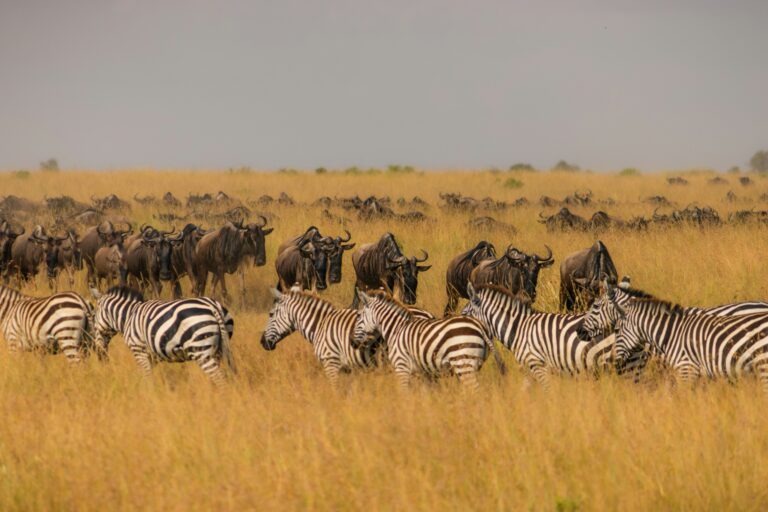
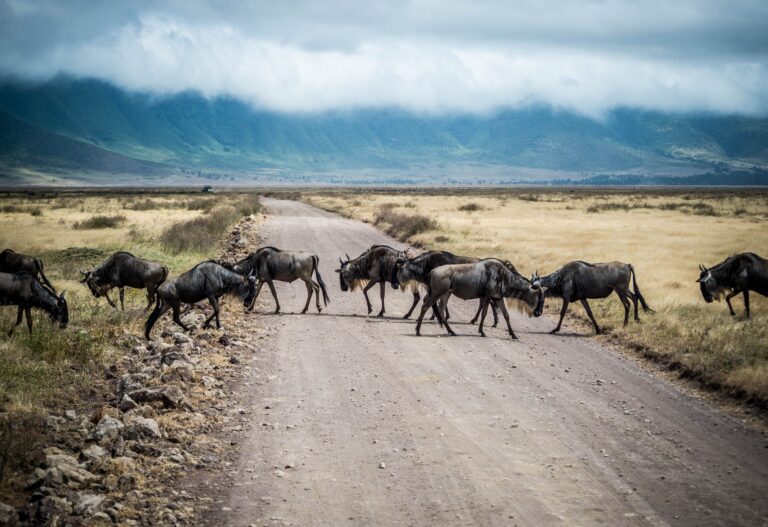
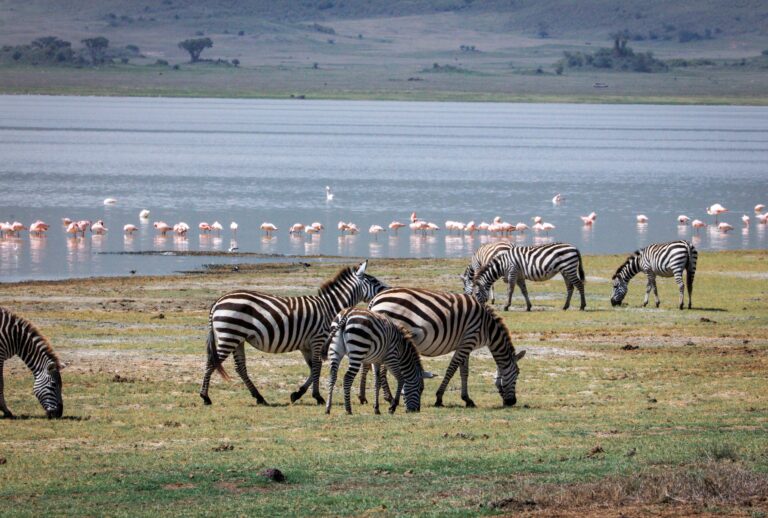
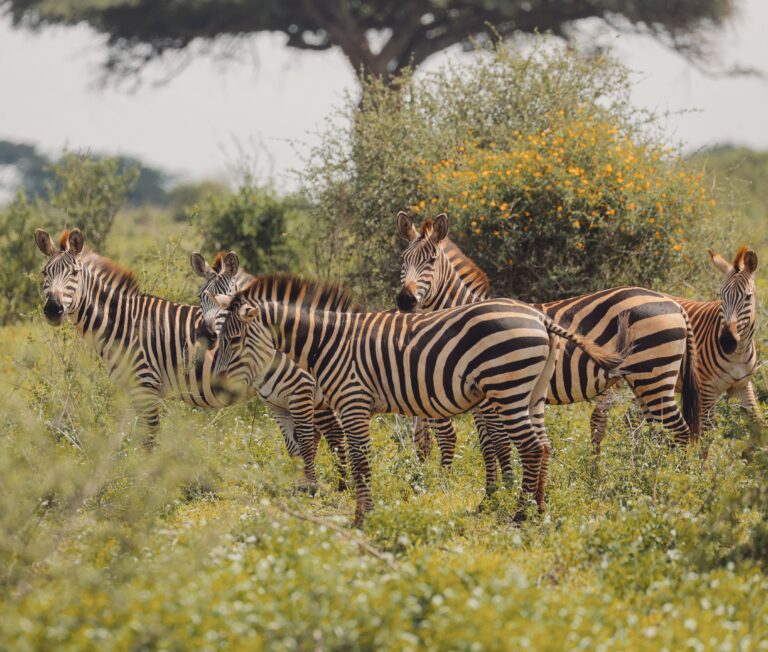
What you see depends heavily on the park, the season, and time of day. For example, herbivores like zebra, wildebeest, and impala are usually easiest to spot, while predators such as lions and leopards require more patience and guide expertise. In the Serengeti during the Great Migration season, herds numbering in the hundreds of thousands can dominate the landscape — over 1.5 million wildebeest cross the plains annually according to the Great Migration safari patterns tracked each year.
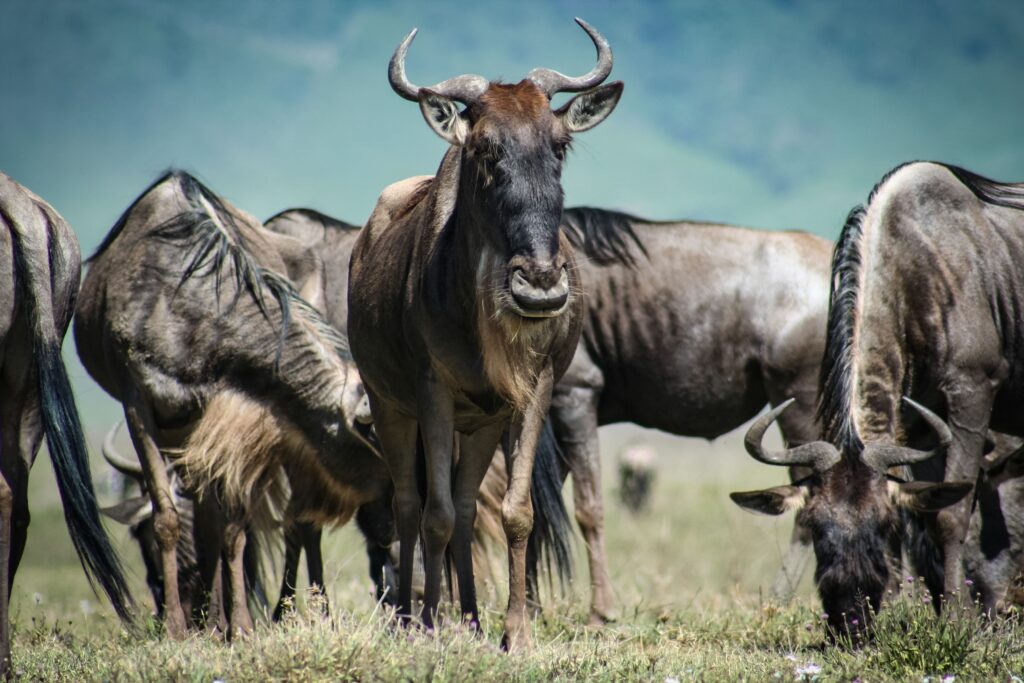
Elephants, giraffes, and buffalo tend to appear more consistently throughout the day, while big cats are often most visible in the early morning or just before dusk when they’re actively hunting or moving between resting spots.
How Guides Spot and Track Wildlife
Guides rely on a combination of trained observation, radio communication with other vehicles, and knowledge of seasonal movement patterns. When one vehicle spots something notable — a lion pride, a leopard in a tree, a cheetah stalking prey — that information is shared over the radio network almost instantly, and nearby vehicles reposition to get a view.
For example, a guide might notice fresh tracks crossing the road, then slow down and scan the tree line, using subtle cues like circling vultures or alarm calls from impala to locate a predator before it’s visible to an untrained eye. This is one of the clearest reasons an experienced guide matters more than the vehicle itself.
Pacing and Stops
A typical drive alternates between slow cruising at 10-15 km/h while scanning the bush, and complete stops that can last anywhere from two minutes to twenty, depending on what’s happening. At each stop, your guide will usually explain the animal’s behavior, its role in the ecosystem, and answer any questions — turning the sighting into a short, informal lesson rather than just a photo opportunity.
| Time of Day | What to Expect | Best For |
|---|---|---|
| Early morning (6:00–9:00 AM) | Cooler temperatures, active predators, golden light | Big cats, birdlife, photography |
| Midday (9:00 AM–3:00 PM) | Heat drives animals to shade, quieter drives | Rest, lunch stops, elephants near water |
| Late afternoon (3:30–6:30 PM) | Animals re-emerge as it cools, active herbivores | Herds, general sightings, sundowners |
| Dusk/night (where permitted) | Nocturnal species become active | Night drives in select parks only |
What Should You Wear on a Tanzania Game Drive?
The right game-drive outfit prioritizes neutral colors, breathable layers, and comfortable closed-toe shoes. Since vehicles are often open-sided or have pop-up roofs, you’ll be exposed to sun, wind, and dust for several hours at a time.
Layering matters because early mornings can be surprisingly cold, especially at higher elevations like the Ngorongoro Crater rim, while midday temperatures can climb quickly. A lightweight fleece or jacket that’s easy to remove works better than a single heavy layer. In addition, a wide-brimmed hat, sunglasses, and high-SPF sunscreen are essential, since UV exposure in an open vehicle is more intense than most travelers anticipate.
Footwear should be closed and comfortable rather than sandals, particularly if your itinerary includes any walking stops or bush breakfasts. That being said, formal safari boots aren’t necessary for a game-drive-only itinerary — comfortable sneakers or lightweight hiking shoes are sufficient for most guests.
Is It Safe to Be This Close to Wild Animals During a Game Drive?
Game drives are considered safe when guests follow their guide’s instructions, largely because vehicles are treated as a single, non-threatening shape by most wildlife rather than as individual humans. Animals in well-managed parks are habituated to vehicles and generally show little interest in them as long as passengers stay seated and quiet.
The main safety rule is simple: never stand up, lean out, or attempt to exit the vehicle near wildlife unless your guide explicitly permits it, such as at a designated picnic or rest stop. Guides are trained to read animal behavior and will reposition the vehicle immediately if an animal shows signs of stress or agitation.
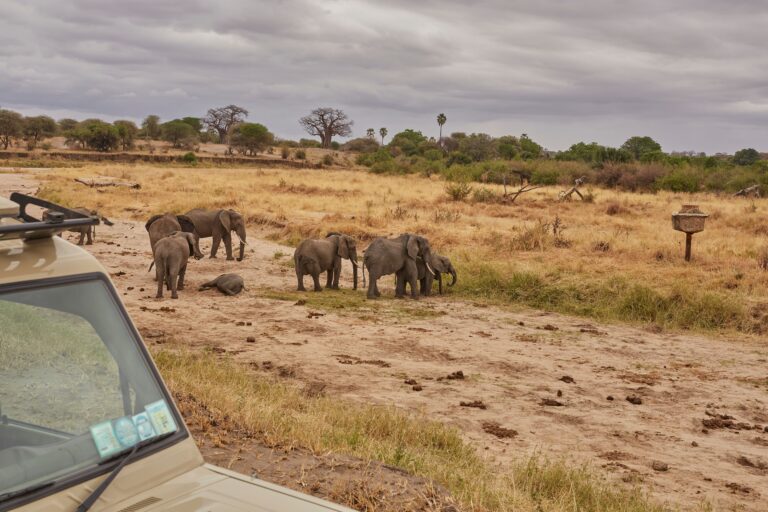
For example, if an elephant flares its ears or mock-charges, an experienced guide will calmly reverse the vehicle to create distance rather than react abruptly, since sudden movements are more likely to escalate a situation than a slow, controlled retreat. This is why booking with a licensed, experienced operator — rather than an unregulated budget option — matters so much for a first-time traveler’s peace of mind.
What Vehicle Will You Ride in During a Tanzania Safari?
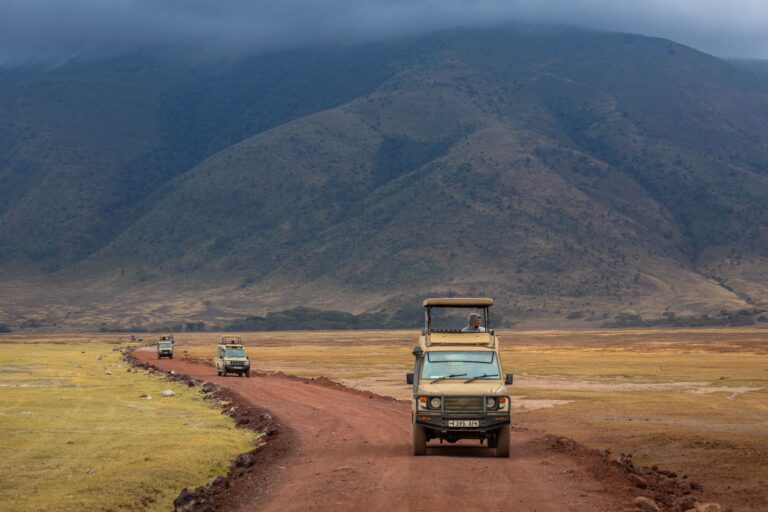
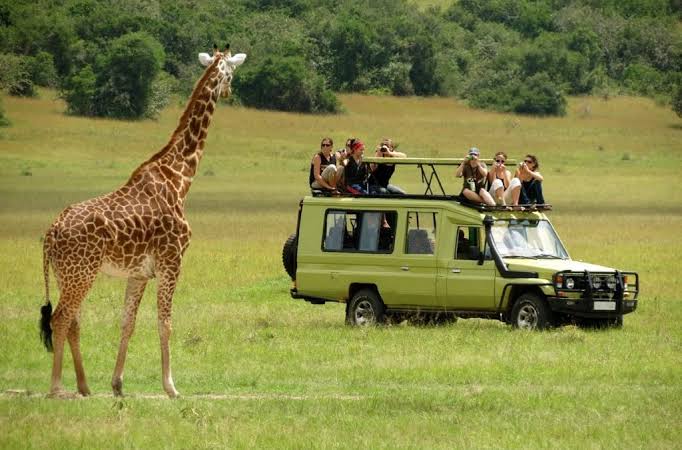
Most Tanzania safaris use custom 4×4 Land Cruisers with pop-up roofs, which allow guests to stand and photograph wildlife at eye level while remaining safely inside the vehicle. These vehicles are specifically modified for game viewing, with raised seating tiers so every passenger has a clear line of sight regardless of where they’re seated.
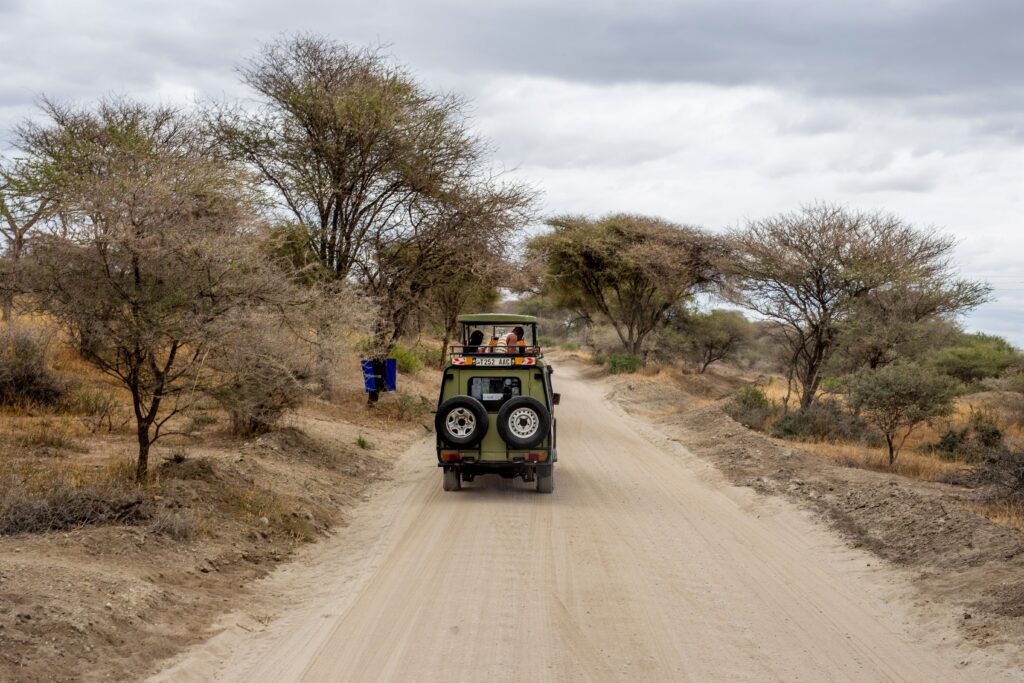
Vehicle configuration varies slightly depending on your trip type. A budget Tanzania safari may involve shared vehicles with other travelers, while mid-range and luxury safari packages typically offer private vehicles exclusive to your group, along with amenities like charging ports, a cooler box, and Wi-Fi in some cases.
For families traveling with children, a family safari itinerary often includes vehicles with extra legroom and flexible seating so kids can move between viewing positions comfortably during longer drives.
What Should First-Time Safari-Goers Pack for a Game Drive?
A well-packed first-timer brings binoculars, a zoom-lens camera, sun protection, and a light layer for temperature swings. Packing light but strategically makes a noticeable difference in comfort across multiple back-to-back drives.
Recommended essentials include:
- Binoculars (8×42 is a good general-purpose specification for wildlife viewing)
- A camera with at least a 200mm zoom lens, since animals are often further away than expected
- Reusable water bottle, as most vehicles carry chilled water but refills matter on longer drives
- Sunscreen, lip balm, and insect repellent
- A dust-proof bag or case for electronics, since unpaved roads generate significant dust
- A small notebook or app for logging sightings, useful for first-timers who want to track species seen
For guests planning a longer trip, it’s worth reviewing a complete Tanzania safari packing list before departure, since requirements shift slightly depending on season and specific parks visited.
What Is Game Drive Etiquette in Tanzania?
Proper game drive etiquette means staying seated while moving, keeping noise to a minimum near wildlife, and following your guide’s directions without argument. These norms exist to protect both guest safety and the natural behavior of the animals being observed.
First, avoid loud conversation or sudden noises when near a sighting, since sound travels easily across open plains and can startle animals or disrupt natural behavior like hunting or nursing. Second, photography etiquette matters: flash photography is discouraged at dusk or with nocturnal species, and guests should avoid asking guides to drive off-track, since doing so damages fragile ecosystems and is prohibited in most parks.
Plus, sharing space with other vehicles at a sighting requires patience — it’s common for two or three vehicles to gather at a notable sighting, and guides typically rotate positions so every group gets a clear view. Tipping your guide at the end of the safari, while not mandatory, is customary and reflects the personalized service most guides provide throughout the trip.
How Many Game Drives Should You Plan on a First Tanzania Safari?
Most first-time travelers should plan for at least six to eight game drives across a 5- to 7-day itinerary, spread across two or three different parks to experience varied landscapes and wildlife concentrations.
A common structure pairs a park known for density, like Tarangire or the Ngorongoro Crater, with the vast plains of the Serengeti for a broader sense of scale. Guests wondering exactly how long to allocate can review a breakdown of how many days to spend in the Serengeti, since this varies based on whether you’re chasing the Great Migration or focused on general game viewing.
Timing also matters. Travelers hoping to witness the Great Migration should plan drives around the specific months when herds are crossing the region they’re visiting, since the migration moves in a predictable but seasonal loop across the northern Serengeti and into Kenya’s Maasai Mara.
Recommended Gear and Practical Tools for First-Timers
Beyond clothing and photography equipment, a handful of practical tools make a measurable difference across multiple drives. A portable power bank keeps cameras and phones charged during full-day excursions where charging access is limited. A compact dust cover or dry bag protects electronics on rougher tracks, particularly in parks like Ruaha where roads can be less developed than in the northern circuit.
Free tools are worth considering too. Wildlife identification apps, many of which work offline, help first-timers learn species names and behaviors in real time without relying solely on the guide. Several travelers also use simple note-taking apps to log GPS-tagged sightings, which becomes a helpful personal record once the trip is over.
For travelers combining a safari with a beach extension, checking logistics for a stop in Zanzibar ahead of time avoids scheduling conflicts with your final game drive days.
What’s Next: Preparing for Your Full Safari Itinerary
Once you understand what a single game drive involves, the next step is building out a complete itinerary that balances pace, budget, and park variety. Start by deciding between the northern circuit — known for high wildlife density and infrastructure — and Tanzania’s quieter southern parks, which offer a more remote, less-crowded experience.
Next, match your trip style to your budget tier, whether that’s a budget safari, a mid-range package, or a fully luxury experience. Couples planning a milestone trip often lean toward a honeymoon safari itinerary that blends game drives with private dining and scenic lodges, while families should prioritize operators experienced in family-friendly safaris.
Finally, reach out to a Tanzania safari specialist to finalize timing, especially if your trip is built around a specific wildlife event like the Great Migration. Booking several months in advance is recommended for peak season travel between June and October.
Conclusion
Your first Tanzania safari game drive won’t unfold like a nature documentary, and that’s exactly what makes it worth doing. Expect quiet, scenic stretches punctuated by moments of real wonder — a lioness stirring from a nap, an elephant herd crossing the road ahead of you, a leopard draped across a branch just as the light turns gold. Once you know the rhythm, the early wake-up calls and dusty roads become part of the story rather than an inconvenience.
The best way to make sure your first drive lives up to the moment is to plan it with people who know the terrain, the seasons, and the wildlife patterns intimately. Reach out to the team to start building your first Tanzania safari itinerary today.