
Nyerere National Park, Tanzania
Tanzania's largest national park — defined by the Rufiji River, interconnected lakes, floodplains and miombo woodland, with boat safaris, walking and African wild dogs alongside classic game drives.
Nyerere National Park Quick Facts
| Location | Southeastern Tanzania |
|---|---|
| Safari circuit | Southern Tanzania / Southern Circuit |
| Size | About 30,893 km² |
| Established | 2019 |
| Former name | Part of the former Selous Game Reserve |
| Main river | Rufiji River |
| Key habitats | Miombo woodland, floodplains, lakes, river channels and grasslands |
| Known for | Boat safaris, wild dogs, elephants, hippos, crocodiles and remote game viewing |
| Main safari activities | Game drives, boat safaris, walking safaris and birdwatching |
| Nearest major international airport | Julius Nyerere International Airport, Dar es Salaam |
| Common access points | Mtemere and Matambwe areas, plus several internal airstrips |
| Commonly combined with | Ruaha, Mikumi and Zanzibar |
| Best-known travel period | June to October for classic dry-season wildlife viewing |
Where Is Nyerere National Park?
Nyerere National Park is in southeastern Tanzania, forming part of the country's Southern Safari Circuit alongside destinations such as Ruaha and Mikumi. The enormous protected area extends across parts of Morogoro, Lindi, Pwani and Ruvuma regions.
Dar es Salaam is the main gateway for many visitors. From the city, travellers can reach the park by road or take a scheduled safari flight to one of the airstrips serving different camps and areas of the park. The driving distance and time vary according to the gate and accommodation area; the route to Mtemere Gate is commonly quoted at around 230 km, while road travel can take roughly five hours or longer depending on conditions and the exact destination.
Because Nyerere is exceptionally large, the nearest airstrip to your camp matters. Flying directly to the airstrip serving your accommodation can save considerable transfer time.
How Big Is Nyerere National Park?
Nyerere covers approximately 30,893 km², making it the largest national park in Tanzania. Its scale is one of the defining characteristics of the destination. Rather than concentrating wildlife around a small viewing area, Nyerere encompasses extensive woodland, open floodplains, lakes and river systems. The Rufiji River and its associated waterways are particularly important for wildlife during the dry season.
The size also affects how you should plan a visit. A short visit can provide excellent sightings, but spending several nights in the park gives you more opportunity to experience different habitats and activities without rushing.
Why Is Nyerere National Park Famous?
Nyerere National Park is particularly known for four things:
- The Rufiji River and boat safaris
- African wild dogs
- Large concentrations of elephants, buffalo and hippos
- A combination of game drives, walking and water-based wildlife viewing
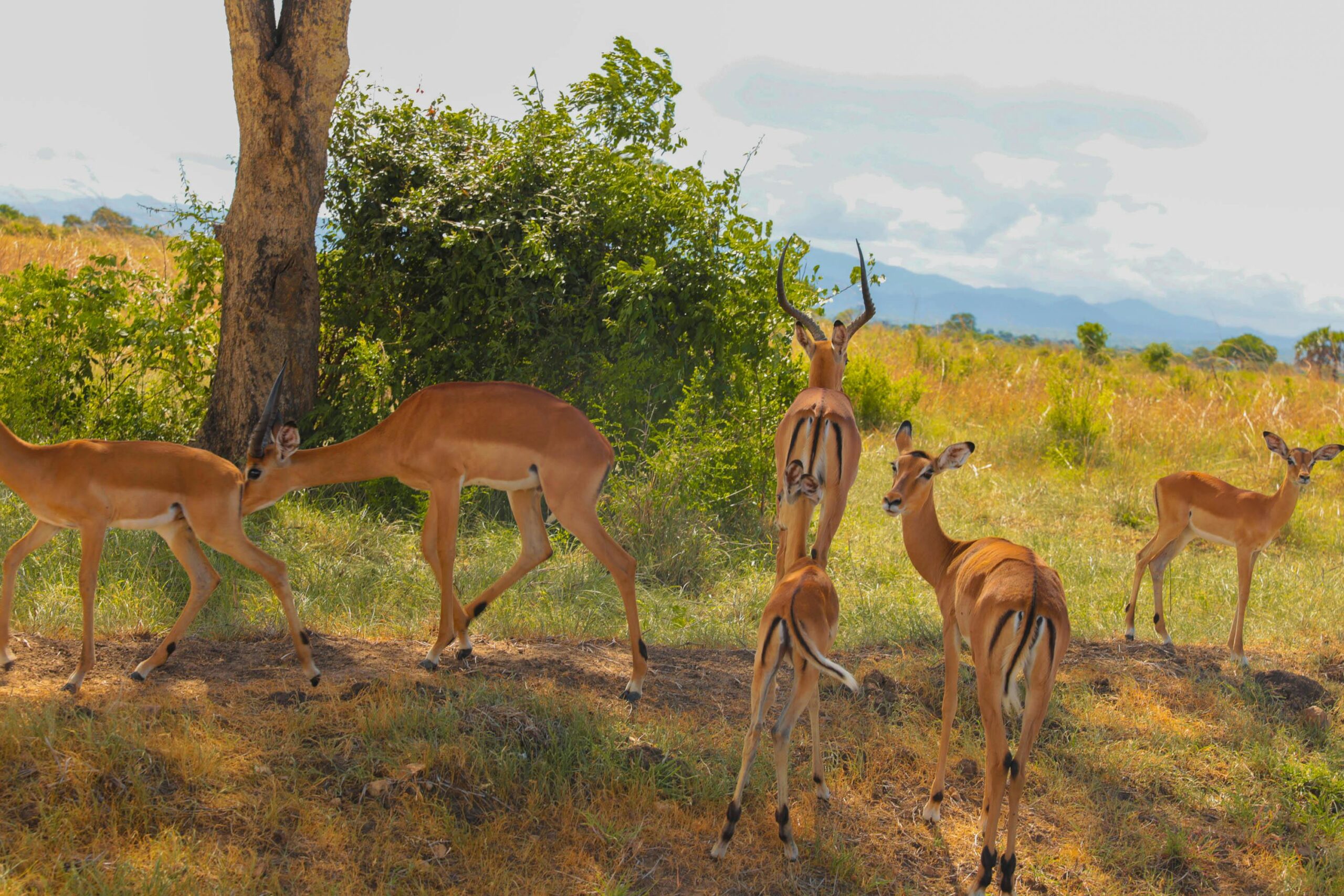
The Rufiji River is the park's defining geographical feature. Its channels, lakes and floodplains create habitat for hippos, crocodiles, waterbirds and other wildlife while also attracting animals to the water during dry periods.
The park is also one of Tanzania's important destinations for seeing African wild dogs, although sightings are never guaranteed because these predators range across very large territories.
Wildlife in Nyerere National Park
Nyerere supports a wide range of African wildlife across its woodland, grassland and riverine habitats. The park is recognised as a Big Five destination.
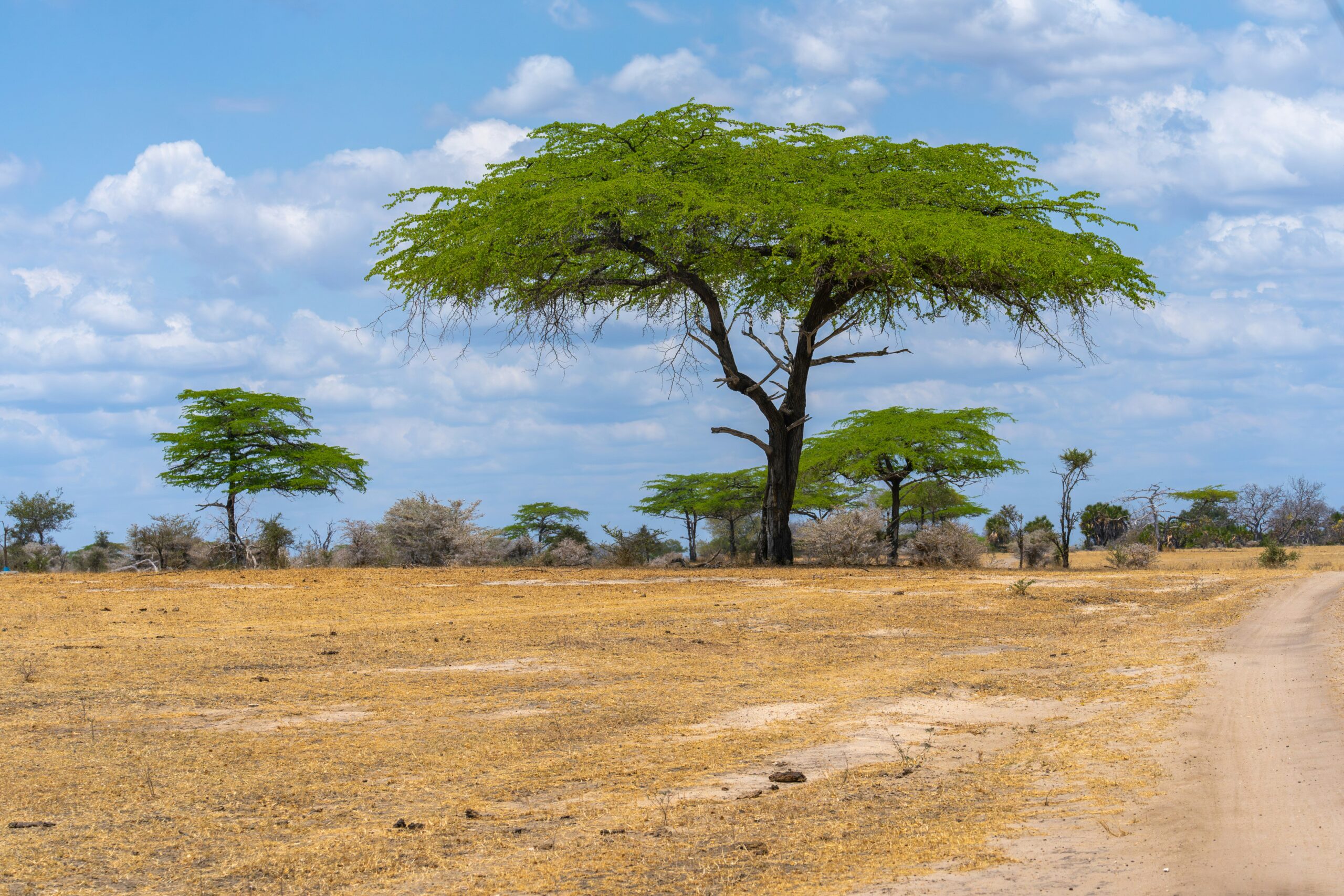
| Category | Species Commonly Seen |
|---|---|
| Big Five | Lions, elephants, buffalo, leopards, black rhinoceros (rhino sightings are particularly difficult and never guaranteed) |
| Other predators | African wild dogs |
| River & wetland wildlife | Hippos, crocodiles |
| Other wildlife | Giraffes, zebras, wildebeest, impalas, warthogs and numerous antelope species |
The Rufiji River adds another dimension to wildlife viewing. Hippos and crocodiles can often be observed from boats, while elephants and other mammals may come to the water to drink. Nyerere is especially interesting for travellers who want more than the conventional Big Five checklist — the combination of terrestrial wildlife and river-based viewing creates opportunities that differ from the classic Serengeti game-drive experience.
African Wild Dogs in Nyerere
African wild dogs are one of Nyerere's signature wildlife attractions.
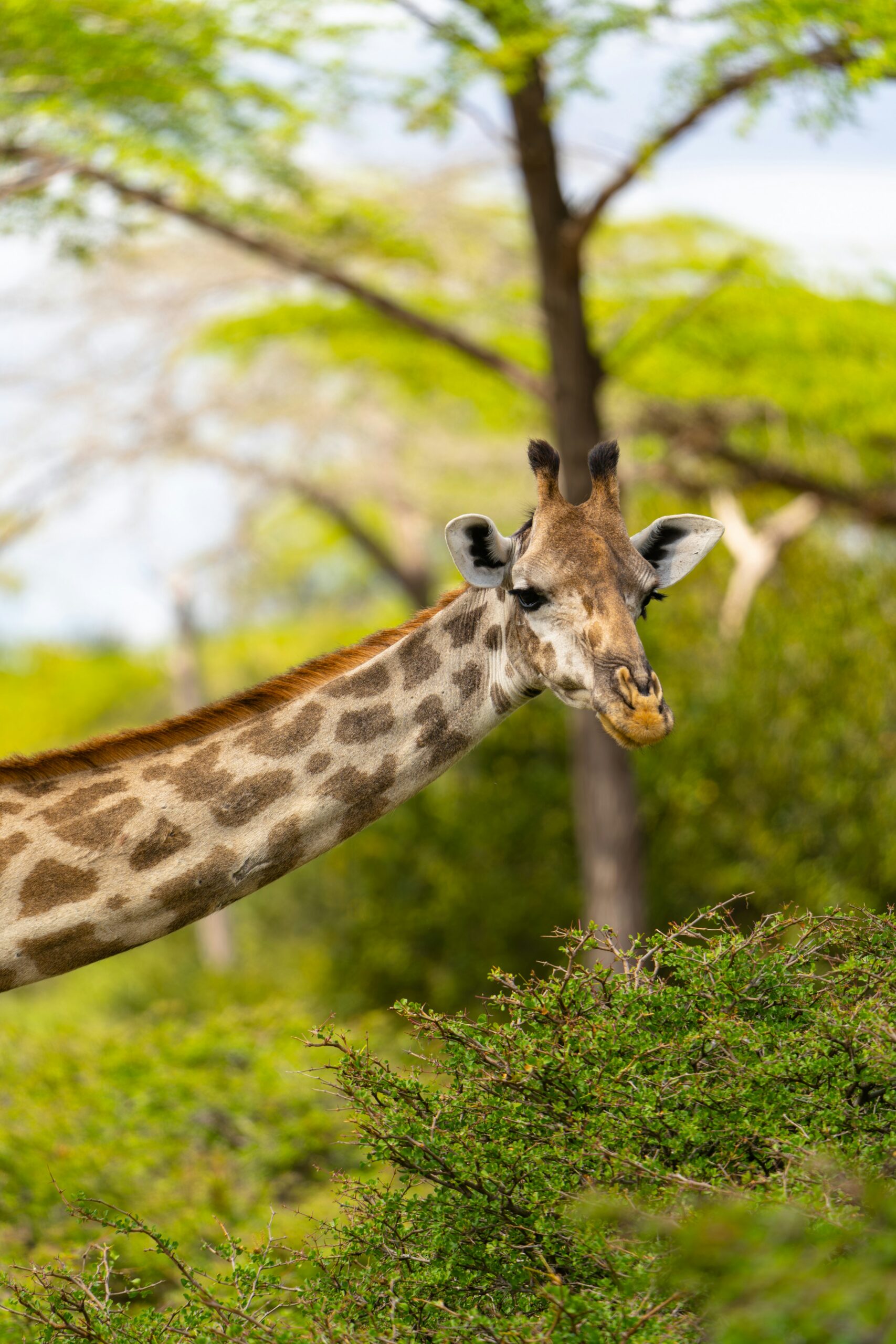
The species requires extensive territories and can travel considerable distances, so sightings depend on where packs are ranging during your visit. Nyerere's enormous landscape and suitable prey base make the wider ecosystem important habitat for this endangered African predator.
If wild dogs are a priority, tell your safari guide before entering the park. Guides can adjust the search according to recent sightings and local conditions, although no responsible operator should promise a sighting. Recent traveller discussions also identify wild dogs as one of the experiences that makes southern Tanzania particularly distinctive.
Things to Do in Nyerere National Park
| Activity | What to Expect |
|---|---|
| Game Drives | The main way to explore Nyerere's woodland, grasslands and wildlife-rich areas. Morning and afternoon drives can produce sightings of elephants, buffalo, lions, giraffes, antelope and other species — wildlife is spread across a very large ecosystem, so no species is guaranteed on every drive. |
| Rufiji River Boat Safari | One of the experiences that most clearly distinguishes Nyerere from Tanzania's Northern Circuit. Observe hippos and crocodiles at close range from a safe distance, watch birds along the riverbanks and see wildlife approaching the water. |
| Walking Safari | Guided walking allows visitors to experience Nyerere at a slower pace, focusing on tracks, plants, smaller wildlife and ecosystem details easy to miss from a vehicle. Conducted under park regulations with qualified guides and rangers where required. |
| Birdwatching | An excellent destination for birdwatchers thanks to its rivers, lakes, floodplains and woodland. Species include African fish eagles, kingfishers, bee-eaters and skimmers, with birding particularly rewarding around the waterways. |
Best Time to Visit Nyerere National Park
The dry season from June to October is generally considered the best period for conventional wildlife viewing. During this period, vegetation becomes less dense and animals increasingly gather around permanent water sources, including the Rufiji River and associated lakes. The weather is also generally drier, making game drives more comfortable and roads easier to navigate.
The wetter months bring greener landscapes and different advantages. Bird activity can be excellent, while the park generally feels quieter. However, rainfall can affect road conditions and some camps may close during parts of the wettest period.
| Period | What to Expect |
|---|---|
| June – October | Best overall period for dry-season wildlife viewing and comfortable safari conditions |
| November – December | Short rains can bring fresh vegetation and good birdwatching conditions |
| January – February | Warm and greener, with wildlife still present but more dispersed around available water |
| March – May | Long rains; some accommodation may close and road conditions can become more challenging |
How to Get to Nyerere National Park
By Air
Flying is often the most convenient option, particularly for travellers with limited time. Domestic safari flights connect Dar es Salaam and other Tanzanian destinations with airstrips serving different parts of Nyerere. Commonly referenced airstrips include Mtemere, Matambwe, Siwandu, Kiba, Sumbazi and Beho Beho.
The flight from Dar es Salaam to the park generally takes around an hour, although actual flying time can vary depending on intermediate stops.
By Road
Nyerere can also be reached by road from Dar es Salaam. The journey is practical for travellers who prefer an overland safari, although the exact travel time depends on the entry gate, road conditions and where you are staying inside the park. For a short itinerary, flying can preserve more time for wildlife activities.
Nyerere National Park from Zanzibar
Nyerere is one of the more practical mainland safari destinations to combine with a Zanzibar beach holiday.
Travellers can fly from Zanzibar to a suitable airstrip serving Nyerere and then connect with their safari camp. One-day fly-in-and-out trips are available, but a longer stay can provide a more complete experience by allowing time for both game drives and a Rufiji River boat safari. Current safari listings show strong demand for Zanzibar–Nyerere day trips as well as multi-day itineraries.
Accommodation in Nyerere National Park
Accommodation ranges from tented camps and safari lodges to more exclusive properties, with many camps positioned close to lakes, rivers or productive wildlife areas.
Examples of accommodation areas and properties commonly associated with Nyerere include Siwandu and other camps around the Rufiji and Lake Nzerakera systems. The right camp depends on your budget, preferred safari style, location within the park and whether activities such as boat safaris or walking are available from the property. Compare our budget, mid-range and luxury safari options for an idea of accommodation levels available in southern Tanzania.
For a destination as large as Nyerere, choosing accommodation based only on price can be misleading. Location within the park can have a major effect on transfer times and the activities available during your stay.
Nyerere National Park vs Serengeti
Nyerere and Serengeti are both excellent Tanzanian safari destinations, but they offer different experiences.
| Choose Nyerere If You Want | Choose Serengeti If You Prioritise |
|---|---|
| Rufiji River boat safaris | The Great Migration |
| African wild dog opportunities | Large-scale open plains |
| Walking experiences | Exceptional predator viewing |
| A Southern Circuit itinerary | Classic Northern Circuit safari routes |
| River, lake and woodland habitats | — |
| A less conventional alternative to the Northern Circuit | — |
For many travellers, the choice does not have to be either-or. A longer Tanzania itinerary can combine Nyerere with other destinations such as Ruaha and Mikumi on the Southern Circuit, depending on available time, budget and wildlife priorities.
How Many Days Do You Need in Nyerere National Park?
For a first visit, 2–3 nights provides a useful balance between travel time and time in the park.
A two-night stay can allow for a combination of game drives and a boat safari. Three nights provides more flexibility for game drives, walking and exploring different areas.
A one-day fly-in safari is possible and can work for travellers staying in Zanzibar or Dar es Salaam with limited time, but it naturally provides less time to experience the park than a multi-day stay. Current traveller discussions also frequently recommend avoiding an overly rushed itinerary when the goal is to experience Nyerere beyond a single game drive.
Explore nearby destinations:
Nyerere National Park FAQs
Is Nyerere National Park the same as Selous Game Reserve?
What is Nyerere National Park famous for?
Where is Nyerere National Park located?
How large is Nyerere National Park?
What animals can you see in Nyerere National Park?
Can you see the Big Five in Nyerere National Park?
What is the best time to visit Nyerere National Park?
Can I visit Nyerere National Park from Zanzibar?
Is Nyerere National Park worth visiting?
Explore Nyerere National Park With Serengeti Trails Safaris
We can help you plan a Nyerere itinerary around your available time, preferred accommodation, wildlife interests and starting point — whether that's Dar es Salaam, Zanzibar or another Tanzanian safari destination.
Get a Free Quote