
Mikumi National Park, Tanzania
One of Tanzania's most accessible wildlife destinations — centred on the open Mkata River floodplain, along the main road between Dar es Salaam and southern Tanzania.
Mikumi National Park at a Glance
| Location | Morogoro Region, Tanzania |
|---|---|
| Park size | About 3,230 km² |
| Established | 1964 |
| Landscape | Mkata River floodplain, grassland, woodland and seasonal wetlands |
| Main wildlife | Elephants, lions, buffaloes, giraffes, zebras, wildebeest, hippos and antelope |
| Predators | Lions, leopards and spotted hyenas |
| Birdlife | 400+ species commonly reported; detailed checklists record considerably more |
| Main safari activity | Game drives |
| Other experiences | Birding, walking experiences and selected guided activities |
| Road access | Directly accessible from Dar es Salaam and Morogoro |
| Air access | Mikumi / Kikoboga Airstrip |
| Best wildlife-viewing period | June to October |
| Commonly combined with | Udzungwa Mountains, Nyerere and Ruaha |
Where Is Mikumi National Park?
Mikumi National Park is in central-southern Tanzania, within Morogoro Region. The park lies along the Dar es Salaam–Iringa road, making it one of the easiest national parks to reach from Tanzania's largest city.
The road passes through the northern part of the park, close to the Mkata floodplain, which is also the main area used for conventional game viewing. The park forms part of a much larger ecological landscape associated with southern Tanzania and the Selous–Niassa ecosystem, connecting it to nearby Nyerere National Park.
From Dar es Salaam, the journey is generally around 3–5 hours by road, depending on traffic, road conditions and the exact starting point. This accessibility is one of Mikumi's biggest advantages for travellers with limited time.
How Big Is Mikumi National Park?
Mikumi covers approximately 3,230 km² (1,250 square miles). It was originally gazetted as a national park in 1964 covering about 1,070 km² before being expanded in 1975 to its present size.
The park is considerably larger than its main tourist circuit suggests. Much of the wildlife-viewing activity is concentrated around the accessible northern section, particularly the Mkata floodplain, while large areas farther south are more remote and suited to specialised expeditions.
This creates an important distinction: Mikumi may be easy to visit, but it is not a small wildlife area.
Mikumi National Park Wildlife
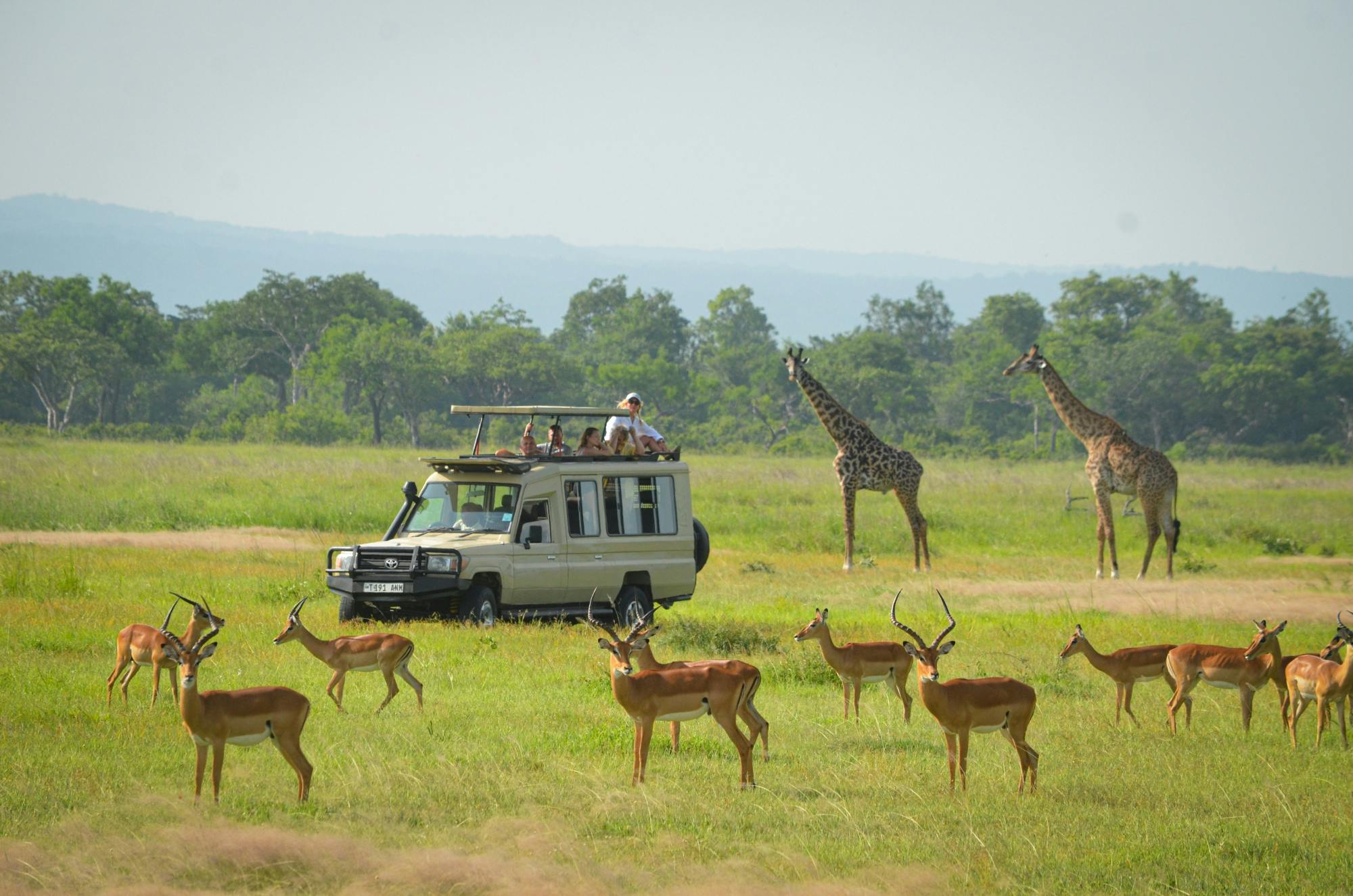
Mikumi is known for open landscapes where wildlife can often be easier to spot than in densely wooded habitats. The Mkata floodplain is particularly important for game viewing — its grasslands and water sources attract large herbivores and provide habitat for predators.
| Category | Species Commonly Seen |
|---|---|
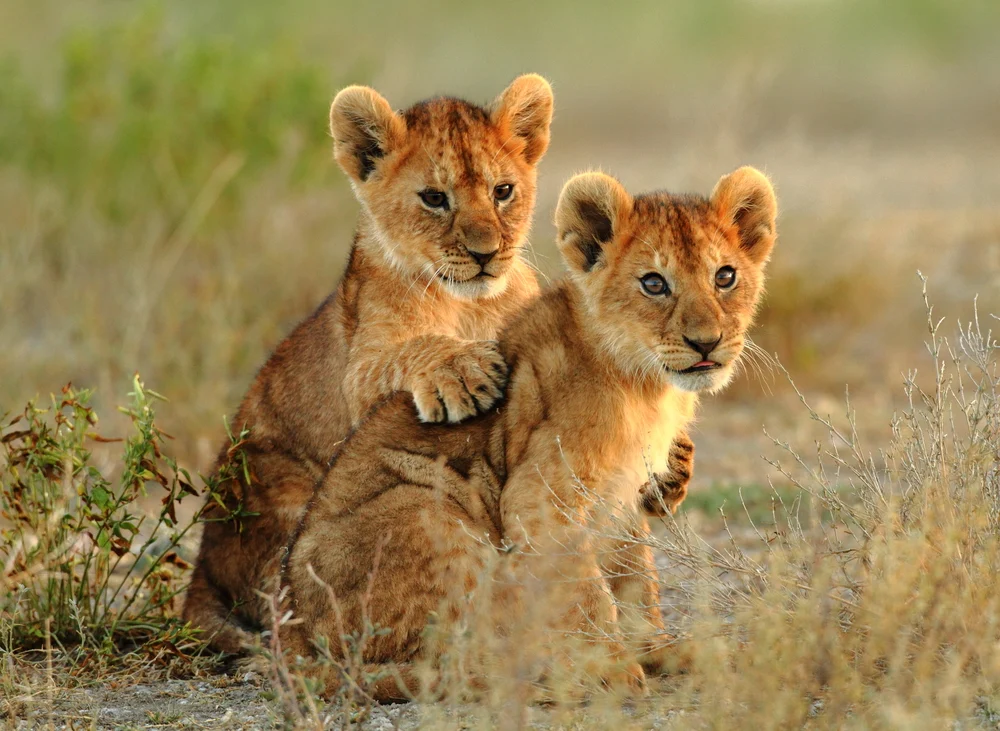
| Predators | Lions, leopards, spotted hyenas |
| Large herbivores | African elephants, African buffaloes, giraffes, zebras, wildebeest, hippos |
| Other wildlife | Impala and other antelope, crocodiles, baboons and monkeys |
| Less frequently seen | Eland, greater kudu, sable, Lichtenstein's hartebeest, African wild dogs |
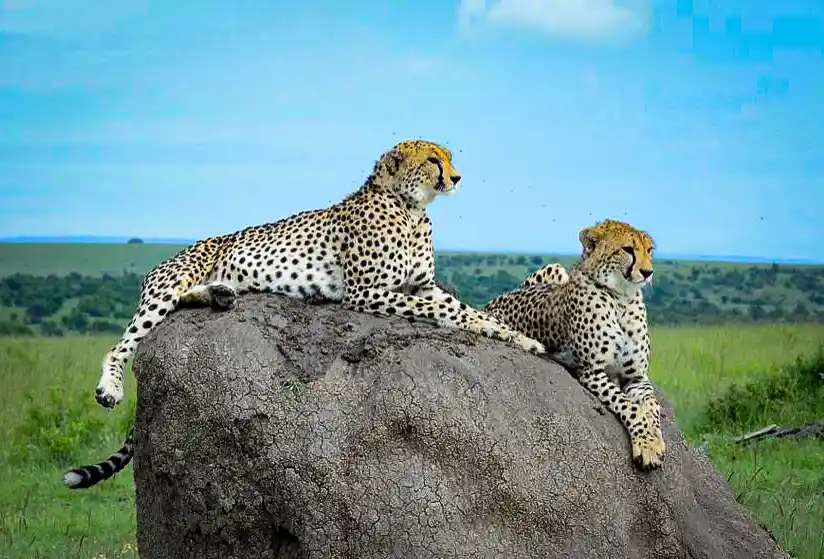
Does Mikumi National Park Have the Big Five?
Mikumi's strength is different: accessible wildlife viewing, open floodplain scenery and the opportunity to see a broad range of East African species in a relatively short visit.
The Mkata Floodplain
The Mkata River floodplain is the defining landscape of Mikumi National Park.
Open grasslands are mixed with acacia woodland, palms, baobabs and other vegetation, while surrounding mountain ranges create a distinctive backdrop. The floodplain's open terrain makes it particularly suitable for spotting grazing animals and larger mammals from a safari vehicle.
Waterholes and seasonal pools become especially important during the dry season. As natural water sources become limited, wildlife tends to concentrate around remaining water, creating better opportunities for observation.
Birds and Birdwatching in Mikumi
Mikumi is also a strong destination for birdwatchers.
More than 400 bird species are commonly cited in safari references, while the detailed Avibase checklist for Mikumi currently contains hundreds of recorded species. Water-associated habitats around the Mkata River, pools and dams provide opportunities to see species such as African fish eagles, African spoonbills, hamerkops and African openbills.
Migratory birds add another dimension between roughly November and April, making the wetter months particularly interesting for dedicated birders.
Things to Do in Mikumi National Park
| Activity | What to Expect |
|---|---|
| Game Drives | The principal way to explore Mikumi. The main network of wildlife roads crosses the Mkata floodplain, providing access to grasslands, woodland, waterholes and other wildlife-viewing areas. Early morning and late afternoon drives are particularly useful. |
| Wildlife Photography | The park's relatively open landscapes work well for photography, particularly around waterholes and the floodplain — elephants, giraffes, buffaloes, zebras, wildebeest and antelope against open backgrounds, with lions and leopards providing more challenging opportunities. |
| Birdwatching | The combination of grassland, woodland and wetland habitats suits both dedicated birdwatchers and travellers who simply want to add birds to a wildlife-focused itinerary. |
| Walking Experiences | Available through permitted operators and park arrangements — a different perspective focusing on tracks, plants, insects, birds and smaller wildlife rather than covering large distances in search of big game. |
Best Time to Visit Mikumi National Park
Mikumi can be visited throughout the year, but the best period for general wildlife viewing is June to October, particularly from late June through October. During the dry season, vegetation becomes thinner and animals are more likely to concentrate around reliable water sources. September and October can be particularly productive for waterhole-based wildlife viewing.
| Period | Best For | What to Expect |
|---|---|---|
| June – October | General wildlife viewing and photography | Drier weather, clearer skies and easier visibility through thinner vegetation. Among the busiest travel periods, though Mikumi generally sees less visitor pressure than Tanzania's most famous northern parks. |
| November – February | Birdwatching and greener scenery | The landscape becomes more vibrant after rainfall and migratory birds are present. Wildlife can still be viewed, though vegetation may make some animals harder to locate. |
| March – May | Travellers comfortable with wetter conditions and lower-season rates | April is typically among the wettest months. Heavy or intermittent rain can affect road conditions and wildlife visibility, but the park can be lush and productive for birdlife. |
How to Get to Mikumi National Park
By Road
Road travel is the most straightforward option for visitors coming from Dar es Salaam or Morogoro. The highway provides direct access towards the park, making Mikumi one of the most practical national parks for a short mainland safari from Dar es Salaam. Current TANAPA information estimates roughly 3–5 hours by road, depending on traffic.
By Air
Mikumi has an airstrip known as Kikoboga Airstrip, located within the park. Scheduled and charter safari flights can provide a faster alternative to road travel, particularly for travellers combining Mikumi with other southern Tanzania destinations. Because the airstrip is within the protected area, transfers should be arranged in advance with a registered safari operator or accommodation provider rather than assuming conventional taxi services will be available on arrival.
From Zanzibar
A Mikumi National Park safari from Zanzibar is possible by air and is primarily suited to travellers who have limited time. A one-day fly-in visit can work, but it creates a long travel day and leaves little flexibility for delays. Travellers with more time generally get more value from spending at least one night in or around Mikumi.
Where to Stay in Mikumi National Park
Accommodation ranges from camps and bandas to lodges and tented properties in and around the park.
Options should be selected according to the type of trip rather than simply by price. Staying closer to the main wildlife areas can reduce unnecessary transfer time and allow more time for game viewing. Compare our budget, mid-range and luxury safari options for an idea of accommodation levels available in southern Tanzania.
Properties associated with Mikumi include options around the park and well-known tented camps such as Stanley's Kopje, which sits on an elevated rocky kopje overlooking the Mkata floodplain and a nearby waterhole.
For budget travellers, local guesthouses and camps around the Mikumi area can provide a practical base, while travellers seeking a more immersive experience can choose a tented camp or lodge closer to the park.
Mikumi National Park Fees
Mikumi National Park entrance fees are set by the Tanzania National Parks Authority (TANAPA) and can change according to the applicable tariff, visitor category and tax requirements.
Current TANAPA information displays illustrative entry figures but specifically advises visitors to confirm the latest official tariff before travelling. When booking a safari with an operator, park fees are normally incorporated into the safari quotation rather than paid separately by the traveller.
Mikumi or Nyerere National Park?
Mikumi and Nyerere are both southern Tanzania destinations, but they offer different safari experiences.
| Choose Mikumi If You Want | Choose Nyerere If You Want |
|---|---|
| Easier access from Dar es Salaam | A larger, more remote wilderness experience |
| A shorter safari | River-based safari experiences |
| Open floodplain wildlife viewing | More time exploring southern Tanzania |
| A practical introduction to the southern circuit | A safari combined with boat and walking experiences |
| A destination that fits into a limited itinerary | — |
The two parks can also be combined rather than treated as competitors.
Mikumi National Park as Part of a Southern Tanzania Itinerary
Mikumi works particularly well as a gateway into southern Tanzania. A longer itinerary can connect:
Dar es Salaam → Mikumi → Udzungwa Mountains → Nyerere → Ruaha
depending on the traveller's available time and interests.
This makes the destination valuable beyond a simple one- or two-day safari. It can serve as the wildlife component of a broader southern Tanzania journey while also providing access to the landscapes and biodiversity of the Eastern Arc Mountains.
Explore nearby destinations:
Is Mikumi National Park Worth Visiting?
Yes, particularly for travellers who value accessibility, shorter safari logistics and reliable general wildlife viewing.
Mikumi is not a replacement for the Serengeti if the primary objective is the Great Migration, nor should it be presented as Tanzania's definitive Big Five destination. Its appeal is more practical and specific.
It offers a genuine national park experience within relatively easy reach of Dar es Salaam, with elephants, giraffes, buffaloes, zebras, wildebeest, lions and many other species across the Mkata floodplain and surrounding habitats. Recent visitor reviews also consistently highlight wildlife and scenery as strengths, although visitor numbers can be noticeable around popular sightings and accessible areas.
For travellers with only a few days in Tanzania, Mikumi can therefore be one of the most efficient ways to add a mainland wildlife experience to a coastal, business or Zanzibar itinerary.
Frequently Asked Questions About Mikumi National Park
Where is Mikumi National Park located?
How far is Mikumi National Park from Dar es Salaam?
How big is Mikumi National Park?
What animals can you see in Mikumi National Park?
Does Mikumi have lions?
Is Mikumi National Park good for birdwatching?
What is the best month to visit Mikumi?
Can you visit Mikumi National Park from Zanzibar?
Can Mikumi be visited as a day trip from Dar es Salaam?
Is Mikumi National Park part of the southern Tanzania safari circuit?
Explore Mikumi With Serengeti Trails Safaris
An excellent choice for travellers looking for an accessible Tanzania wildlife destination without the longer logistics of the northern safari circuit. We can help you plan Mikumi around your available time, preferred accommodation and wider Tanzania itinerary.
Get a Free Quote