
Tarangire National Park, Tanzania
One of Tanzania's most distinctive safari destinations — known for large elephant herds, ancient baobab trees and seasonal wildlife concentrations around the Tarangire River.
Tarangire National Park at a Glance
| Location | Northern Tanzania, Manyara Region |
|---|---|
| Area | Approximately 2,850 km² |
| Distance from Arusha | About 120 km |
| Known for | Elephants, baobabs, Tarangire River and seasonal wildlife concentrations |
| Main safari activity | Game drives |
| Other experiences | Walking safaris, night game drives, hot-air balloon safaris where available |
| Best wildlife period | Generally July to November |
| Commonly combined with | Ngorongoro, Serengeti and Lake Manyara |
Why Visit Tarangire National Park?
Tarangire offers a different type of Tanzania safari experience. Unlike Serengeti, where the Great Wildebeest Migration is the dominant attraction, Tarangire is particularly valuable for its elephant viewing, varied landscapes, birdlife and dry-season wildlife concentrations. Its location also makes it one of the more accessible national parks for travellers beginning a Tanzania safari from Arusha.
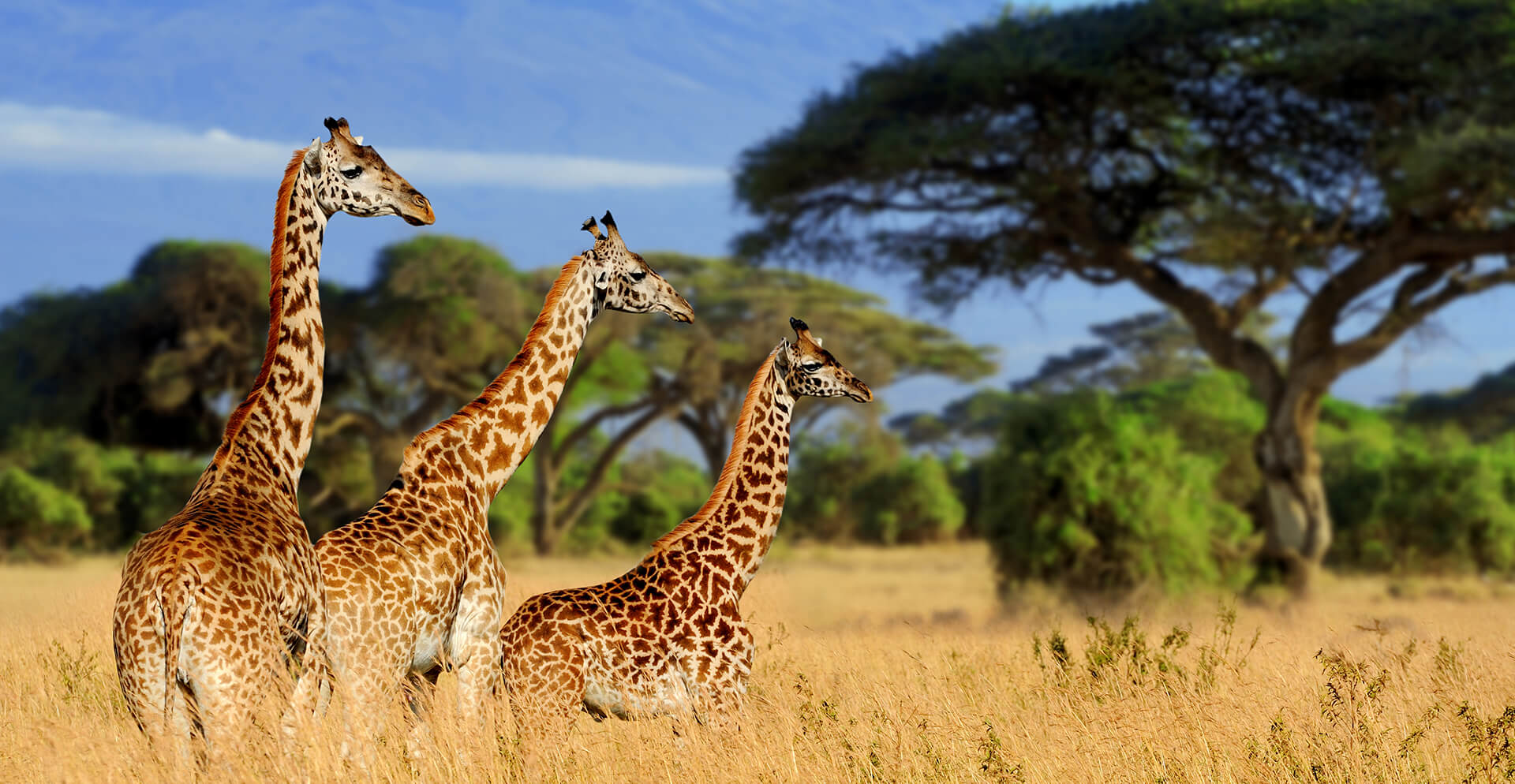
The park's defining feature is its seasonal wildlife movement. During the dry months, animals from the wider Tarangire ecosystem move towards reliable water sources, particularly the Tarangire River. This can create impressive concentrations of elephants, buffalo, zebra, wildebeest, giraffe and other wildlife.
The surrounding ecosystem is much larger than the national park itself. Tarangire forms part of an approximately 30,000 km² ecosystem extending across the Maasai Steppe, meaning wildlife movements continue beyond the park boundaries during different seasons.
That seasonal character is one reason Tarangire should not be judged only by the number of animals visible during a short visit — the experience changes considerably between the dry and wet seasons.
Tarangire Wildlife
Tarangire is especially associated with African elephants, and TANAPA describes the park as having one of Tanzania's highest concentrations of elephants. The park can hold thousands of elephants during periods when animals move into the area from the surrounding ecosystem.
| Category | Species Commonly Seen |
|---|---|
| Predators | Lions, leopards, cheetahs, hyenas |
| Large herbivores | Elephants, buffalo, wildebeest, zebra, giraffes |
| Specialist antelope | Eland, greater kudu, lesser kudu, gerenuk, oryx |
| Other wildlife | Warthogs, baboons and other smaller mammals |
TANAPA also highlights species such as African wild dogs, cheetahs, lesser and greater kudu, Beisa oryx and gerenuk among the park's notable wildlife. Wildlife sightings are never guaranteed, however — animal distribution changes with rainfall, water availability, season and daily movement.
Elephants in Tarangire
If elephants are high on your safari priorities, Tarangire deserves serious consideration.
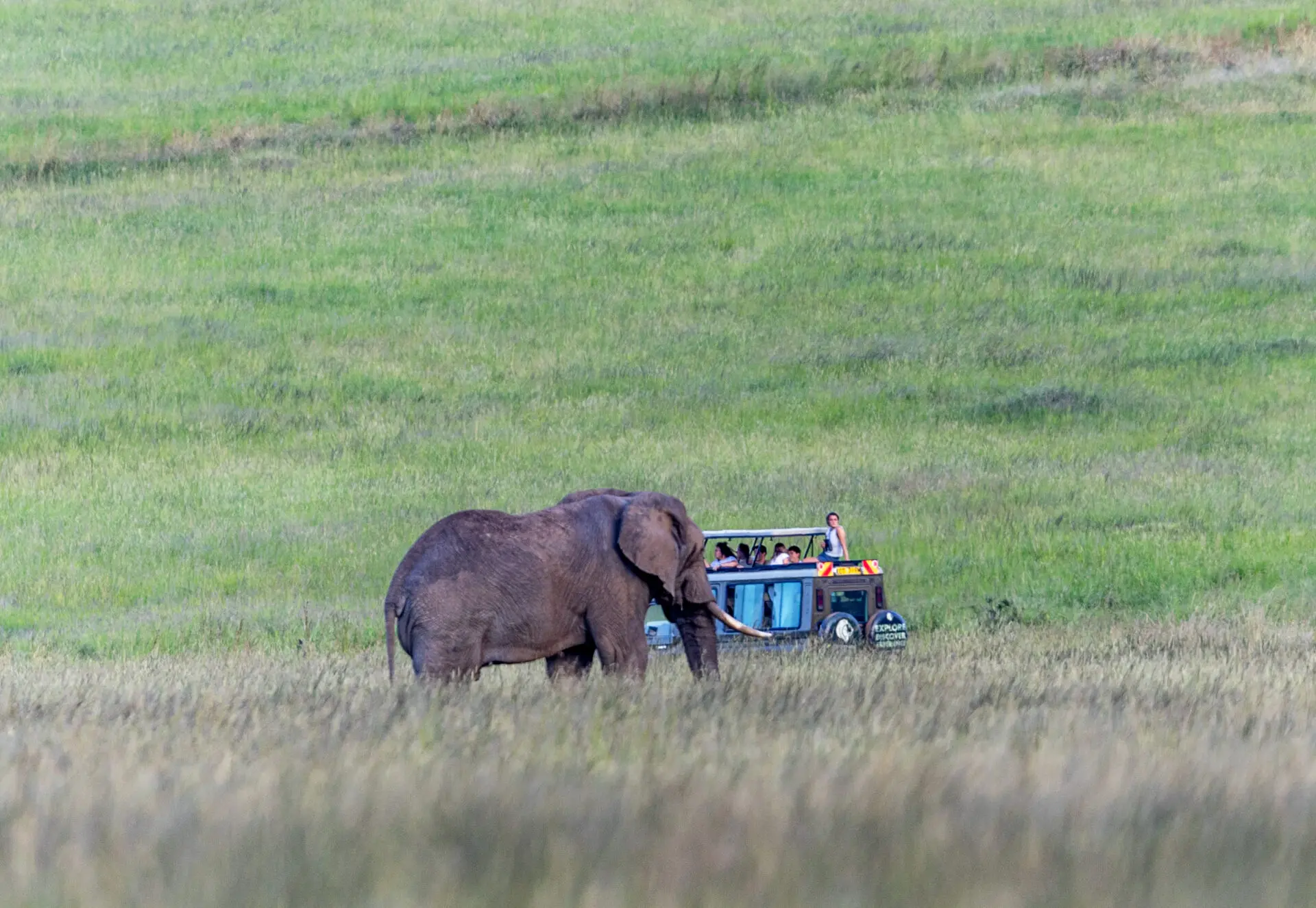
During the dry season, large elephant groups can gather around the Tarangire River and other permanent water sources. TANAPA has reported seasonal concentrations of up to about 3,000 elephants in the park. The combination of elephants, open savannah and baobab trees is one of the park's defining photographic scenes.
Tarangire's Baobab Landscape
Baobab trees are another reason Tarangire looks different from many other northern Tanzania safari destinations. The park contains extensive areas of baobab woodland mixed with acacia, grassland and seasonal wetlands.
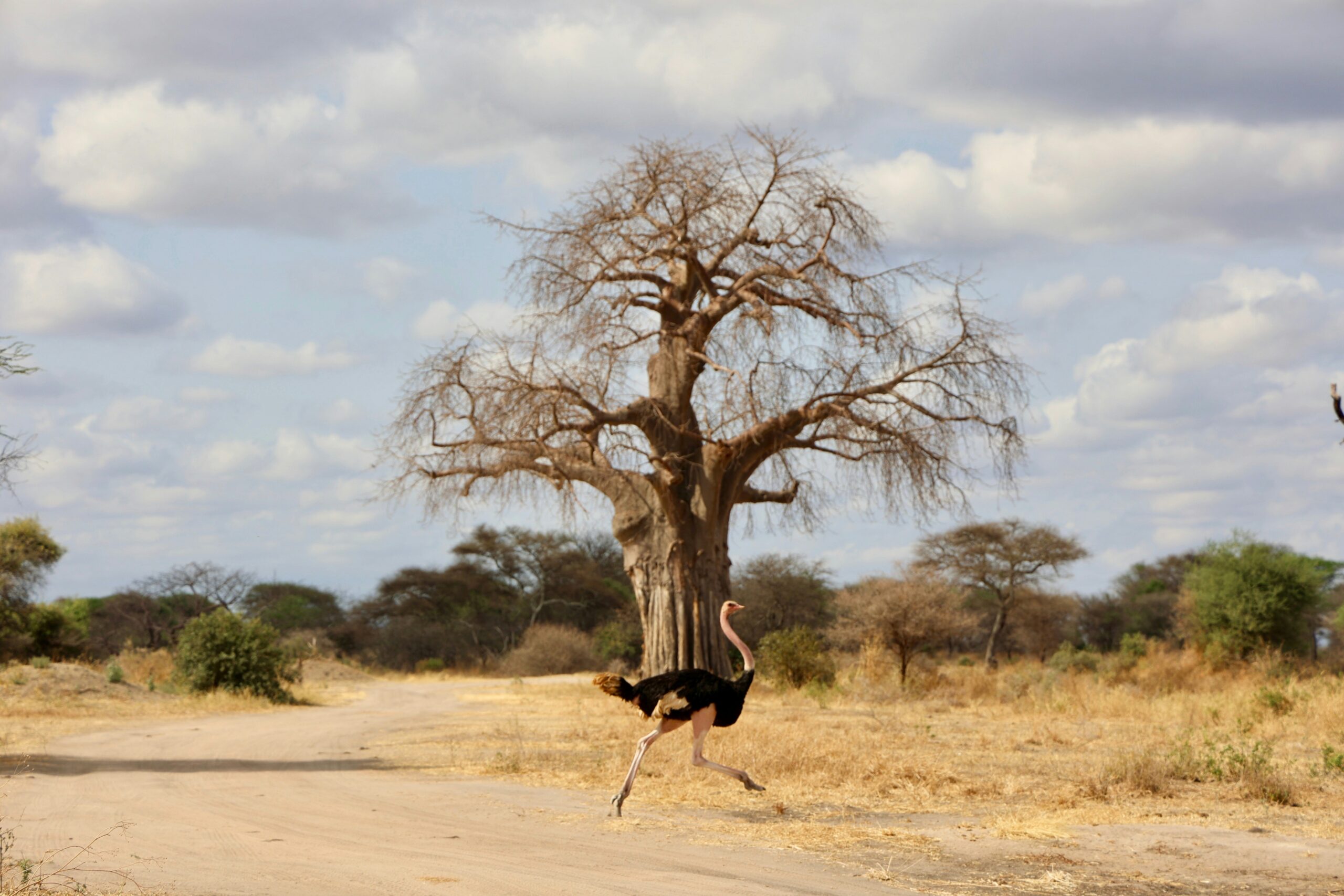
Some of the park's large baobabs are estimated to be centuries old, with TANAPA highlighting trees that can reach around 30 metres in height. The trees are more than a backdrop for photographs — their hollows, branches, flowers and fruit contribute to the ecology of the surrounding landscape and provide resources for different species.
For photographers, Tarangire offers an opportunity to combine wildlife images with distinctive environmental compositions rather than focusing exclusively on close-up animal portraits.
The Tarangire River and Seasonal Wildlife
The Tarangire River is central to understanding the park. During the dry season, reliable water becomes increasingly important across the wider ecosystem. Wildlife from surrounding areas moves towards water and grazing resources within and around the park, increasing animal concentrations in key areas.
This seasonal pattern is why Tarangire can be particularly productive from July through November. It also explains why the park can feel very different earlier in the year — once seasonal rains arrive, water becomes available in more locations and some wildlife disperses beyond the park.
Best Time to Visit Tarangire National Park
The best time to visit depends on whether your priority is concentrated wildlife, greener scenery, birding or fewer visitors.
| Period | What to Expect |
|---|---|
| July – October (Peak Dry Season) | The strongest period for concentrated wildlife viewing. Vegetation dries out and animals gather around permanent water sources — elephant viewing is particularly rewarding. This is also when Tarangire is most likely to be busy. |
| November (Seasonal Transition) | The beginning of the short-rain period in many years. Elephants and other animals begin dispersing through the wider ecosystem as seasonal water becomes available outside the park. The landscape becomes greener. |
| December – May (Green Season) | Wetter months bring greener vegetation and more dispersed wildlife, since water is available in more areas. The green landscape, birdlife and lower visitor pressure can still make this period worthwhile as part of a broader northern Tanzania safari. |
Tarangire Safari Activities
| Activity | What to Expect |
|---|---|
| Game Drives | The primary way to explore Tarangire. Morning and afternoon drives allow visitors to search for elephants, big cats, giraffes, zebra, buffalo and other wildlife across different habitats. A longer drive is useful for exploring beyond the main entrance area. |
| Walking Safaris | A different perspective from vehicle-based game viewing — walking allows visitors to focus on tracks, plants, insects, birds and the smaller details of the ecosystem. TANAPA lists walking safaris among the park's available activities. |
| Night Game Drives | An opportunity to experience the ecosystem after sunset and look for nocturnal species rarely seen during daytime drives. Availability depends on operating arrangements and location, so confirm when planning. |
| Hot-Air Balloon Safari | An aerial perspective of the park's landscape and wildlife. TANAPA has specifically noted the expansion of balloon tourism from Serengeti to Tarangire. |
How to Get to Tarangire National Park
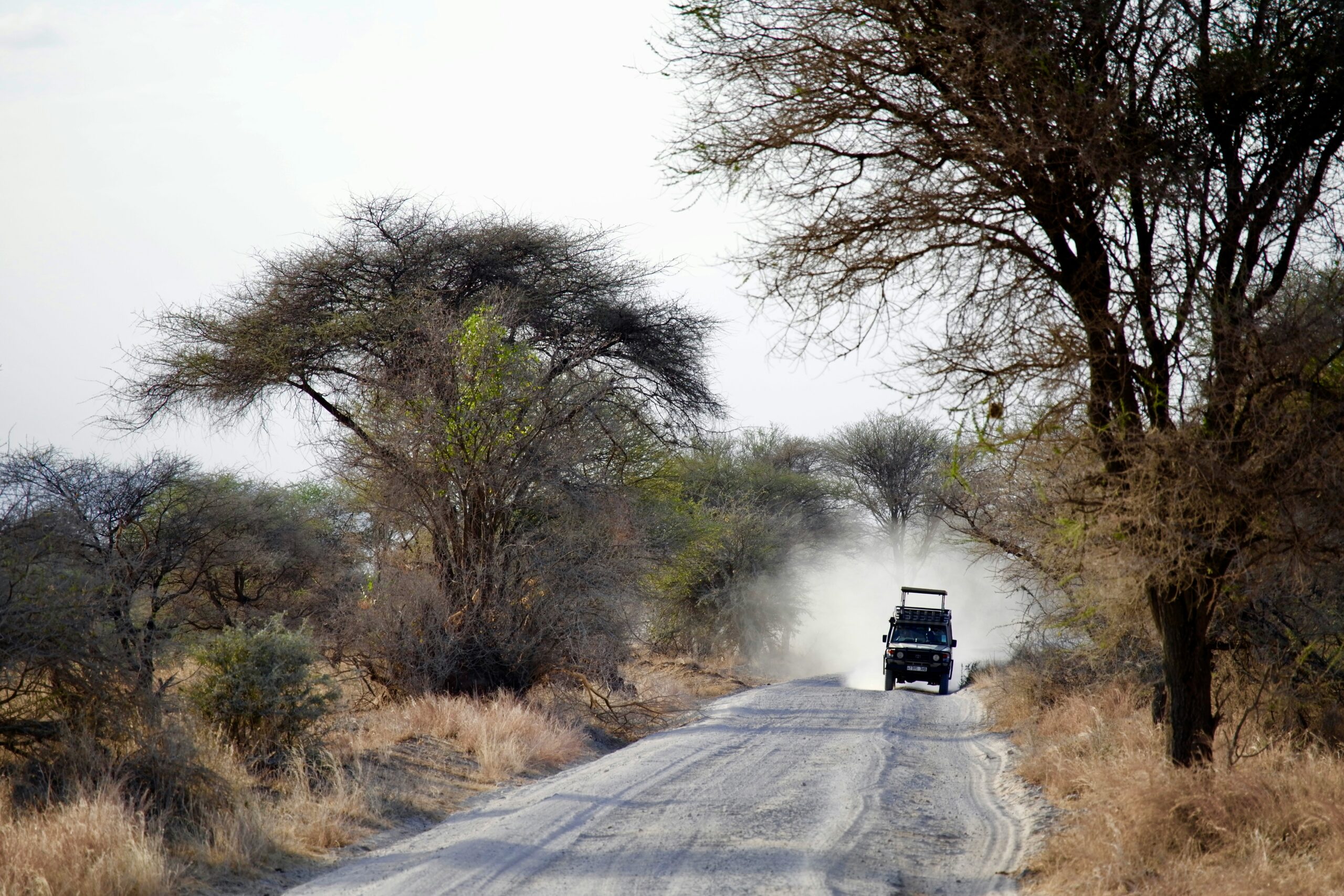
Tarangire is one of the easier northern Tanzania parks to incorporate into a road safari. The park lies approximately 120 kilometres southwest of Arusha, and the drive from Arusha to the Tarangire entrance takes roughly two hours under normal conditions.
For international travellers, Kilimanjaro International Airport (JRO) is a major gateway for Northern Circuit safaris. Domestic and charter flights can also connect Tarangire with other safari destinations, making fly-in itineraries possible for travellers who want to reduce road-transfer time.
Tarangire Safari from Arusha
Because of its proximity to Arusha, Tarangire works particularly well as an early destination on a northern Tanzania safari. A common route is:
Arusha → Tarangire → Ngorongoro → Serengeti
However, Tarangire does not have to be treated only as a transit stop. If elephant viewing and the dry-season wildlife concentration are your priorities, spending more time in Tarangire can provide a more complete experience than simply stopping for a short game drive before continuing to another destination. Recent traveller discussions have specifically highlighted this issue, with safari visitors arguing that rushed half-day visits can miss much of what makes Tarangire worthwhile.
How Many Days Do You Need in Tarangire?
A full day is enough to experience Tarangire for travellers combining several northern Tanzania destinations. However, two nights or more can make more sense if Tarangire is one of your primary interests, particularly during the dry season. Staying inside or close to the park also makes it easier to take advantage of early morning and late afternoon wildlife activity rather than spending much of the day travelling between destinations.
| Safari Priority | Suggested Time |
|---|---|
| Quick Northern Circuit visit | 1 full day |
| Elephant-focused safari | 2 nights |
| Photography | 2–3 nights |
| Slower wildlife experience | 2–3 nights |
| Tarangire + Ngorongoro | 1–2 nights |
For families or couples planning a longer trip, Tarangire also combines naturally with our family safaris and honeymoon safaris, both of which commonly start on the Northern Circuit.
Where to Stay in Tarangire
Tarangire accommodation includes safari lodges, permanent tented camps, seasonal camps and campsites. The most useful location depends on your itinerary and budget.
Staying closer to the park can reduce transfer time and give you more time for game drives. A property outside the park may offer a wider choice of accommodation and can work well for travellers moving between Tarangire and other northern Tanzania destinations.
Rather than choosing accommodation purely by star rating, consider:
- Distance from the park entrance
- Access to the areas you want to explore
- Seasonal location of wildlife
- Whether you want a lodge or tented camp
- Private versus shared safari arrangements
- Availability of walking or night activities
- Transfer time to your next destination
Tarangire National Park Entrance Fees
Tanzania National Parks sets the official park tariffs. TANAPA's currently published tariff page lists Tarangire's non-resident conservation fee at US$53.10, with separate rates for East African citizens and residents. However, the same official page labels the tariff section Financial Year 2023/2024, so current fees should be verified before publishing a fixed price or booking a safari.
This is also why a dedicated Tarangire National Park fees page can be useful: it can be updated whenever TANAPA releases a new tariff without changing the main destination guide.
Tarangire Safari Cost
There is no single price for a Tarangire safari. The total cost depends on:
- Number of safari days
- Accommodation category
- Private or shared vehicle
- Number of travellers
- Park and conservation fees
- Guide and vehicle arrangements
- Transfers
- Domestic flights, if required
- Travel season
- Additional activities
A one-day Tarangire safari from Arusha will therefore cost very differently from a private three-night stay in a luxury tented camp. Compare our budget, mid-range and luxury safari options to see how accommodation level affects price, rather than treating the park entrance fee as the total cost of visiting Tarangire.
Tarangire, Ngorongoro and Serengeti: How Do They Compare?
These parks serve different purposes within a Northern Tanzania safari.
| Park | Best Known For |
|---|---|
| Tarangire | Elephants, baobabs, seasonal wildlife concentrations and birdlife |
| Ngorongoro | Volcanic crater landscape and high concentration of wildlife within the crater |
| Serengeti | A much larger ecosystem and the principal destination for the Great Wildebeest Migration |
For a first Tanzania safari, combining the three can create a balanced itinerary rather than expecting one park to provide every type of experience.
Is Tarangire Worth Visiting?
Yes, particularly if elephants, distinctive landscapes and a quieter alternative to the most famous Tanzania safari destinations appeal to you. Tarangire is not simply a smaller version of Serengeti — its wildlife patterns, vegetation and landscape create a different safari experience.
It is especially compelling during the dry season, when wildlife concentrations around the Tarangire River can be impressive. During the green season, the experience changes as animals disperse across the wider ecosystem. The key is matching your travel dates and safari priorities with the park's seasonal ecology.
Explore nearby destinations:
Frequently Asked Questions About Tarangire National Park
Where is Tarangire National Park?
What is Tarangire National Park famous for?
When is the best time for a Tarangire safari?
Can you see elephants in Tarangire?
How far is Tarangire from Arusha?
How many days should I spend in Tarangire?
Can you combine Tarangire with Serengeti?
Is Tarangire worth visiting in the wet season?
Does Tarangire have the Big Five?
What makes Tarangire different from Serengeti?
Plan a Tarangire Safari
A good Tarangire safari is built around season, wildlife priorities and time in the park — not just a few hours between Arusha and Ngorongoro. Ask for a tailored itinerary based on your travel dates, preferred accommodation and safari style.
Get a Free Quote