
Lake Manyara National Park, Tanzania
A compact and highly varied safari destination beneath the Great Rift Valley escarpment — known for tree-climbing lions, large elephant herds, an alkaline lake, seasonal flamingos and groundwater forest.
Lake Manyara National Park Quick Facts
| Location | Northern Tanzania, beneath the Great Rift Valley escarpment |
|---|---|
| Park size | 648.7 km² |
| Established | 1960 |
| Nearest town | Mto wa Mbu |
| Nearest major city | Arusha |
| Main attraction | Tree-climbing lions, elephants, lake and diverse habitats |
| Lake type | Shallow alkaline / soda lake |
| Birdlife | More than 400 species recorded by TANAPA |
| Main safari activity | Day game drives |
| Other experiences | Canopy walk, birdwatching, viewpoints and selected activities where permitted |
| Commonly combined with | Tarangire, Ngorongoro and Serengeti |
| Best wildlife-viewing period | June to October |
TANAPA describes Lake Manyara as a park of contrasting habitats, with groundwater forest, alkaline lake, acacia woodland, wetlands and Rift Valley scenery occurring within a relatively compact destination.
What Is Lake Manyara National Park Famous For?
Lake Manyara is best known for a combination of wildlife and landscapes rather than one single attraction.
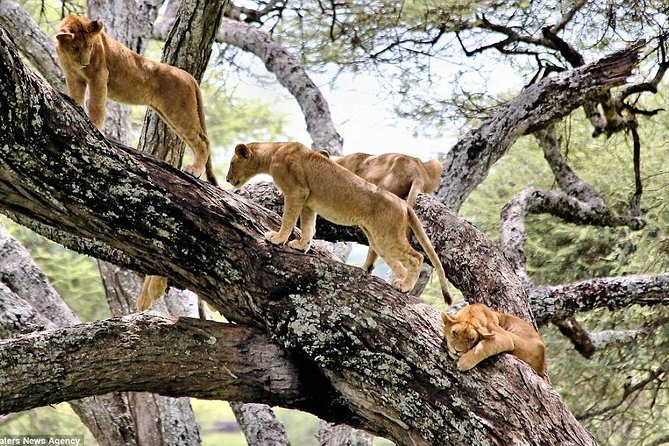
Tree-Climbing Lions
The park's tree-climbing lions are among its most distinctive wildlife attractions. Lions may be seen resting on branches, particularly in areas of acacia woodland and along the floodplain. However, seeing a lion in a tree is not guaranteed. A responsible safari guide will never promise a particular wildlife sighting. TANAPA specifically identifies the tree-climbing lions as one of the park's defining attractions.
Large Elephant Herds
Lake Manyara has long been associated with elephants, including large-tusked individuals moving through the groundwater forest and woodland. Elephants are among the animals visitors commonly look for during game drives — a wildlife highlight it shares with nearby Tarangire. Other mammals found in the park include buffalo, zebra, wildebeest, giraffe, hippos, baboons, blue monkeys, bushbuck and a variety of antelope.
Flamingos and Waterbirds
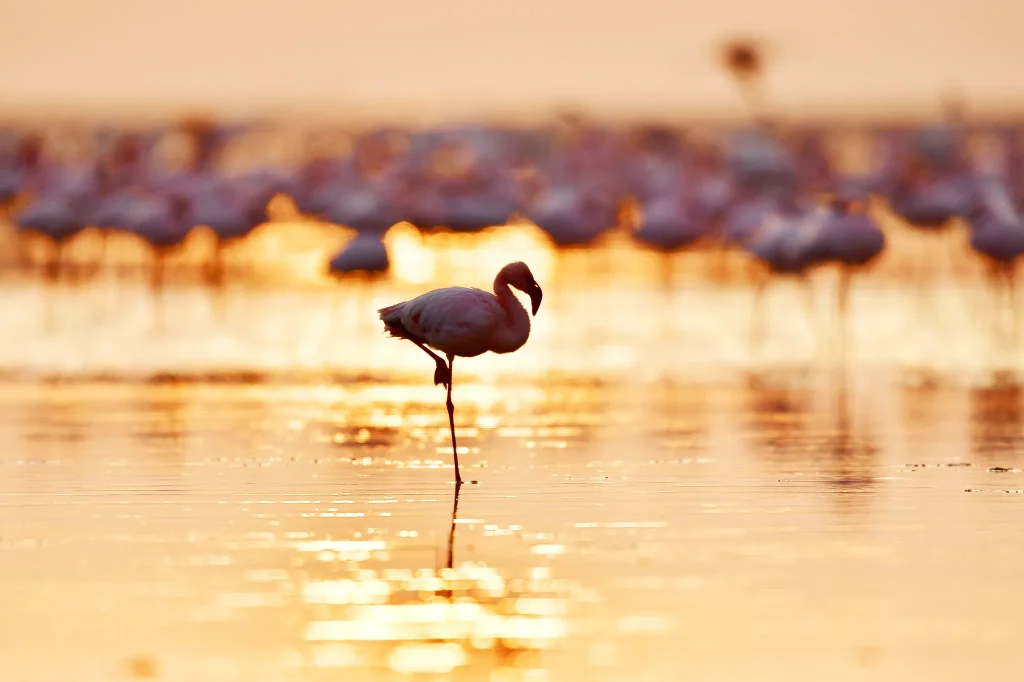
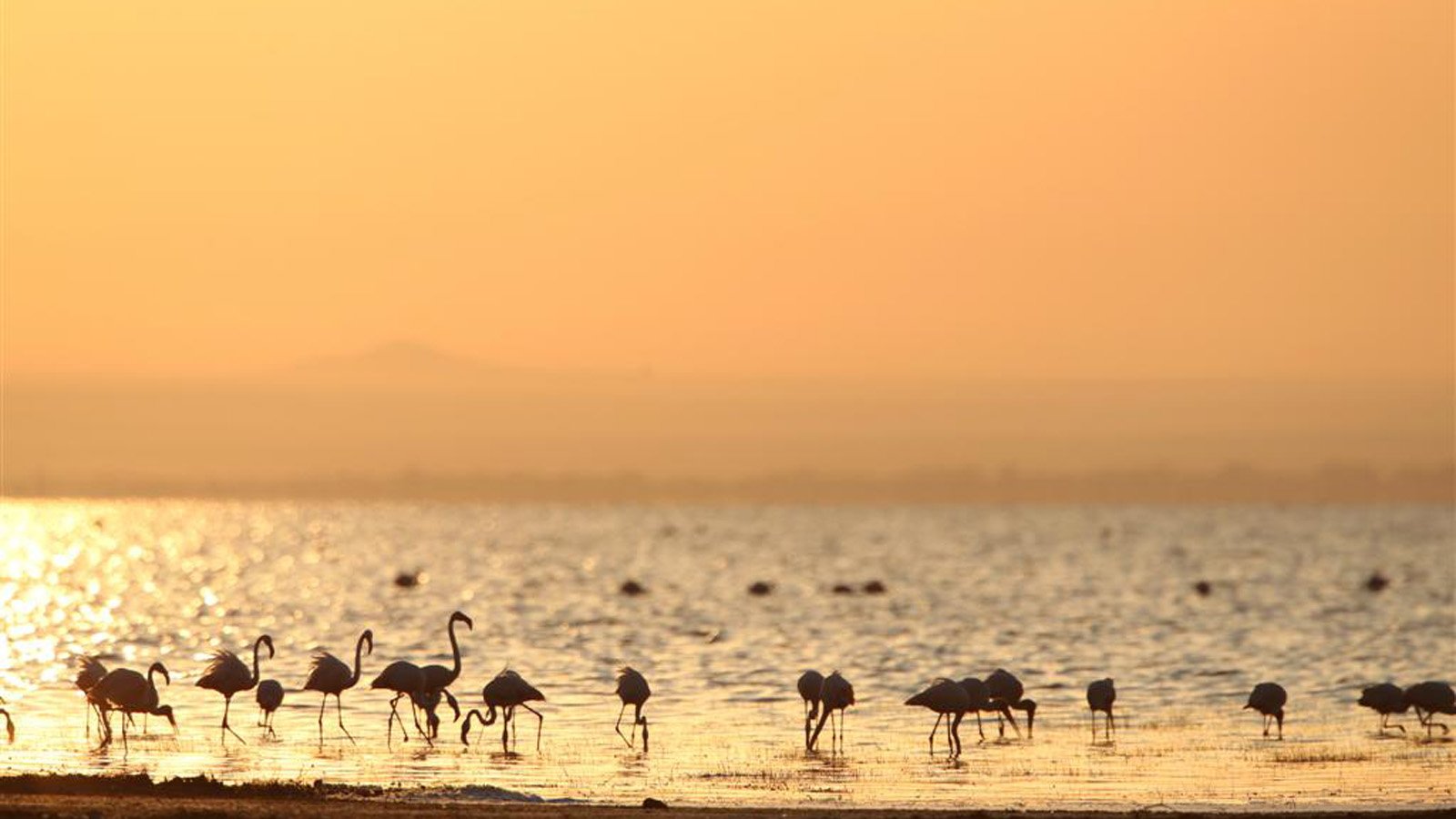
Lake Manyara is an alkaline lake whose changing water conditions support seasonal concentrations of flamingos and other waterbirds. Lesser and greater flamingos may occur around the lake, while pelicans, storks, herons, spoonbills, fish eagles and other species contribute to the park's strong birding appeal. TANAPA records more than 400 bird species in the park.
Flamingo numbers and distribution change with water levels and ecological conditions, so the famous pink shoreline should be viewed as a seasonal wildlife spectacle rather than a guaranteed year-round sight.
Lake Manyara's Landscapes and Habitats
One of the strongest reasons to visit Lake Manyara National Park is the rapid change in scenery during a game drive.
| Habitat | What to Expect |
|---|---|
| Groundwater Forest | Freshwater springs support an evergreen forest close to the park entrance, providing habitat for blue monkeys, baboons, bushbuck and numerous forest birds. Creates a striking contrast with the more open landscapes farther into the park. |
| Lake & Wetlands | The shallow alkaline lake occupies a major part of the landscape and attracts flamingos, pelicans, storks, herons and other waterbirds. Water levels vary seasonally, so the lakeshore's appearance changes considerably between wetter and drier periods. |
| Great Rift Valley Escarpment | The western side of the park is dominated by the escarpment. The cliffs provide a dramatic backdrop to the lake and create elevated viewpoints over the surrounding floodplain. |
| Acacia Woodland & Open Floodplain | Away from the forest, woodland and open grassland provide habitat for giraffes, elephants, buffalo, zebra, wildebeest, antelope and, with luck, the park's tree-climbing lions. |
| Maji Moto Hot Springs | Geothermal features around the lakeshore add another geological feature to a destination already shaped by the Rift Valley. |
Wildlife in Lake Manyara National Park
Lake Manyara supports a surprisingly broad range of wildlife for a relatively compact safari destination.
| Category | Species Commonly Seen |
|---|---|
| Predators | Lions (including tree-climbing lions), leopards |
| Large herbivores | Elephants, buffalo, giraffes, zebras, wildebeest, hippos |
| Primates & smaller mammals | Baboons, blue monkeys, bushbuck, warthogs |
| Other wildlife | Various antelope species, more than 400 recorded bird species |
Predators such as lions and leopards occur in the ecosystem, but Lake Manyara should not be marketed as a guaranteed Big Five destination. Wildlife sightings vary according to season, location, weather and daily animal movements. For birdwatchers, the park is particularly attractive because its forest, wetland, lake and woodland habitats support more than 400 recorded bird species.
Things to Do in Lake Manyara National Park
| Activity | What to Expect |
|---|---|
| Game Drives | The main way to explore the park. Routes pass through groundwater forest, woodland, floodplain and lakeside areas. Early morning drives suit cooler conditions and active wildlife; afternoon drives offer different lighting and birdwatching. |
| Canopy Tree Walk | An elevated perspective of the forest via suspended sections and viewing platforms above the forest floor — opportunities to observe birds, monkeys and forest structure from above. TANAPA identifies this as one of the park's notable experiences. |
| Birdwatching | One of the stronger birding destinations on the Northern Circuit. The lake, wetlands, forest and woodland attract resident and migratory birds, and can be incorporated into a normal game drive. |
| Scenic Viewpoints | The combination of lake, floodplain and Rift Valley escarpment creates several opportunities for landscape photography and scenic stops. |
| Cultural Experiences Around Mto wa Mbu | Community visits, local food experiences, crafts and guided cultural activities near the nearby town, arranged through appropriate local operators. |
| Other Special Activities | Walking, canoeing and night activities are sometimes available depending on current park regulations, water levels and operator arrangements — confirm availability when planning. |
Best Time to Visit Lake Manyara National Park
Lake Manyara can be visited throughout the year, but the ideal period depends on what you want from the destination.
| Period | What to Expect |
|---|---|
| June – October | Generally the strongest period for conventional wildlife viewing. Vegetation is less dense and animals are easier to locate; relatively dry conditions and comfortable safari weather. |
| November – May | Wetter months bring greener vegetation, seasonal water and strong bird activity. March and April are among the wetter months, so road conditions and travel plans should be considered carefully. |
How to Get to Lake Manyara National Park
Lake Manyara lies on Tanzania's Northern Safari Circuit, south of Mto wa Mbu.
| Route | Details |
|---|---|
| From Arusha | Approximately 125 km, with the journey taking around 2 to 2.5 hours by road under normal conditions. TANAPA identifies the main gate as being close to Mto wa Mbu at the foot of the Rift Valley escarpment — a practical first or final park on a northern Tanzania safari. |
| From Ngorongoro | Can be combined with the Ngorongoro Conservation Area, making it useful for travellers building a Northern Circuit itinerary. |
| From Tarangire | Commonly combined with Tarangire, as the two sit relatively close to one another within the northern safari route. |
| By Air | Manyara Airstrip receives scheduled and charter flights, with onward transfers available to the park and surrounding accommodation. |
Where to Stay for Lake Manyara
Accommodation can be found inside or close to Lake Manyara National Park, as well as around Mto wa Mbu and Karatu. Options range from camps and lodges to higher-end safari properties. The best location depends on whether Lake Manyara is the main destination or one part of a longer itinerary involving Tarangire, Ngorongoro and Serengeti.
For travellers prioritising early access to the park, staying closer to Manyara can reduce transfer time. Travellers combining several Northern Circuit destinations may find Karatu particularly convenient as a base between Manyara and the Ngorongoro area.
Lake Manyara National Park Fees
Lake Manyara entrance fees are set by TANAPA and vary according to factors including residency category, age and applicable tariffs. Additional charges can apply to certain activities and services.
TANAPA's current tariff information lists a US$53.10 non-resident adult rate for Lake Manyara, while the exact amount payable depends on the applicable tariff and visitor category. Fees and regulations can change, so travellers should confirm the current official tariff before travelling.
When booking a safari with an operator, park fees are normally incorporated into the safari quotation rather than paid separately by the traveller. See our budget, mid-range and luxury safari options for an idea of what's typically included at each price point.
Is Lake Manyara National Park Worth Visiting?
Yes, particularly if you value varied landscapes, elephants, birdlife and a shorter Northern Circuit safari experience.
Lake Manyara is not a smaller version of the Serengeti. Its strength is the diversity packed into one destination: groundwater forest, alkaline lake, wetlands, woodland, wildlife and the Rift Valley escarpment.
Recent traveller feedback also highlights the park's scenery, elephants, giraffes, hippos and birdlife, while discussions among safari travellers frequently describe Manyara as a convenient addition to itineraries linking Tarangire, Ngorongoro and Serengeti.
Whether it deserves a full day depends on your interests. Travellers focused primarily on large predator viewing may choose to allocate more time to Serengeti, while birders, photographers and visitors interested in varied habitats may find Lake Manyara particularly rewarding.
Lake Manyara vs Tarangire National Park
Both parks are popular Northern Circuit destinations, but they offer different experiences.
| Choose Lake Manyara For | Choose Tarangire For |
|---|---|
| Tree-climbing lion sightings | Large elephant concentrations |
| Groundwater forest | Extensive savanna landscapes |
| Flamingos and waterbirds | Baobab-dominated scenery |
| Elephant viewing in varied habitats | Strong dry-season wildlife viewing |
| Rift Valley scenery and canopy walking | A larger-feeling traditional game-drive environment |
For many first-time visitors, the two parks complement rather than replace each other.
Explore nearby destinations:
Lake Manyara on a Tanzania Northern Circuit Safari
Lake Manyara is commonly combined with:
Tarangire → Lake Manyara → Ngorongoro → Serengeti
The exact order can change according to arrival airport, accommodation and the rest of the itinerary.
For a shorter Tanzania safari, Lake Manyara can provide an introduction to the Northern Circuit before continuing toward Ngorongoro. For a longer journey, it adds ecological variety to the more extensive wildlife landscapes of Serengeti and the crater — a pattern common to our family safaris and Great Migration safaris alike.
Frequently Asked Questions About Lake Manyara National Park
Where is Lake Manyara National Park?
What is Lake Manyara National Park famous for?
How big is Lake Manyara National Park?
Can you see the Big Five in Lake Manyara?
Are there tree-climbing lions in Lake Manyara?
How far is Lake Manyara from Arusha?
What animals can you see in Lake Manyara?
What is the best time to visit Lake Manyara?
How long should you spend in Lake Manyara?
Explore Lake Manyara With Serengeti Trails Safaris
Lake Manyara works best when the itinerary reflects what you actually want to see. We can incorporate it into your Northern Tanzania route alongside Tarangire, Ngorongoro and Serengeti, adjusted around your interests and travel dates.
Get a Free Quote