
Zanzibar, Tanzania
A Tanzanian archipelago in the Indian Ocean — white-sand beaches, coral reefs, Swahili culture, the historic Stone Town, and the classic beach extension to a Tanzania safari.
Zanzibar at a Glance
| Country | Tanzania |
|---|---|
| Region | Indian Ocean, off the coast of mainland Tanzania |
| Main island | Unguja, commonly referred to as Zanzibar |
| Main historic centre | Stone Town |
| Main airport | Abeid Amani Karume International Airport (ZNZ) |
| Main experiences | Beaches, marine activities, culture, history, spice tours and nature |
| Wildlife highlight | Zanzibar red colobus in Jozani-Chwaka Bay |
| Popular beach areas | Nungwi, Kendwa, Matemwe, Paje and Jambiani |
| Best-known historic attraction | Stone Town |
| Commonly combined with | Serengeti, Ngorongoro and other mainland safari destinations |
Why Visit Zanzibar?
Zanzibar is more than a beach stop. Its appeal comes from the combination of Indian Ocean scenery and living Swahili culture. For travelers planning a Tanzania itinerary, Zanzibar adds a completely different environment to the mainland — instead of game drives across savannah, days here can revolve around swimming, snorkeling, diving, dhow excursions, cultural experiences, spice farms and exploring historic coastal settlements.

Beaches and Indian Ocean Activities
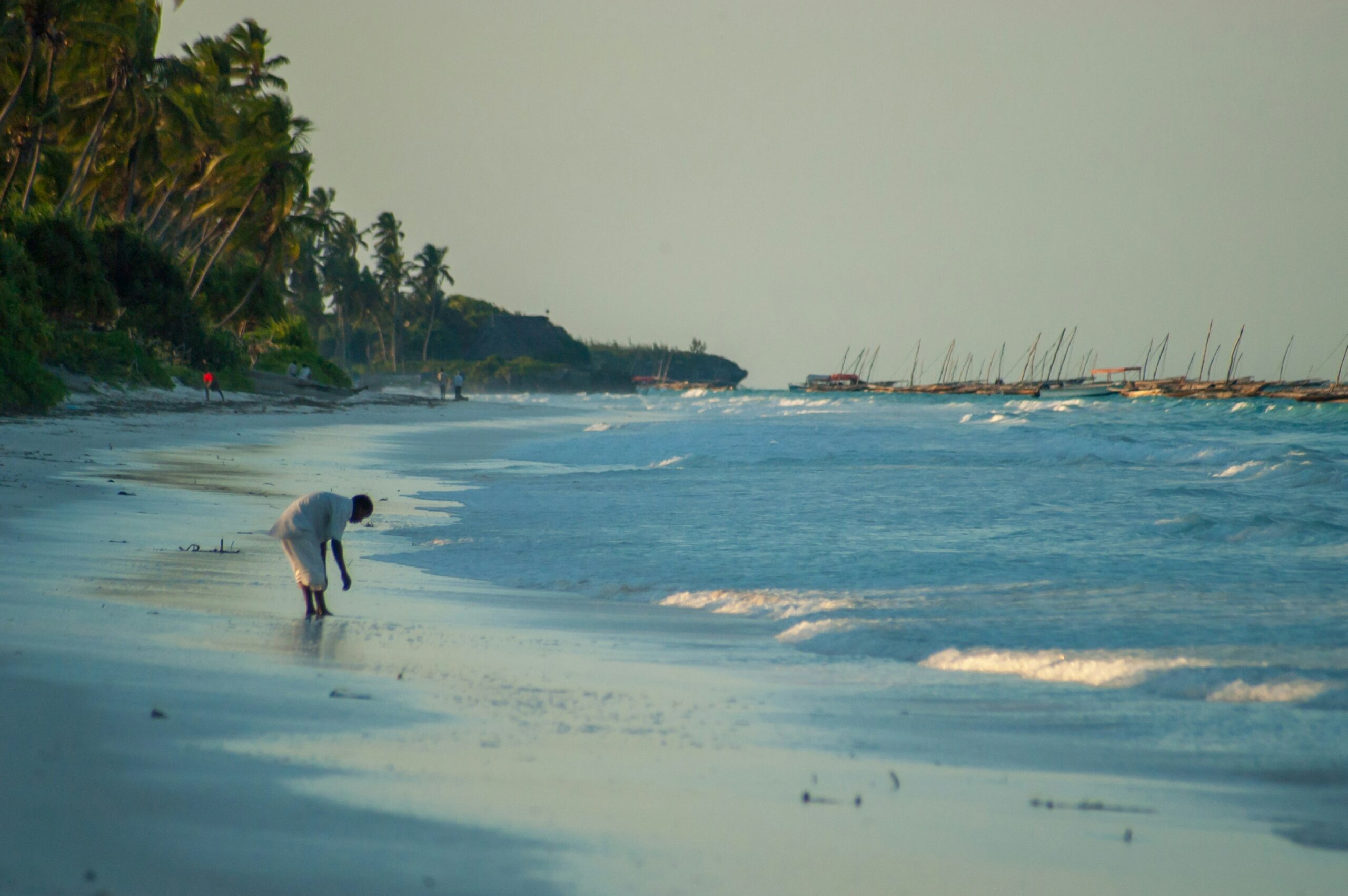
Zanzibar has beaches on several parts of the island, but the experience differs considerably by location. Northern areas such as Nungwi and Kendwa are popular for swimming, resorts, restaurants and sunset experiences. The southeast, particularly Paje and Jambiani, has a more relaxed coastal atmosphere and is associated with kitesurfing and long stretches of beach. The northeast around Matemwe is particularly useful for travelers interested in snorkeling and diving around Mnemba Atoll.
The island's reefs also support snorkeling and diving excursions, with Mnemba Atoll among the best-known marine areas. Sea conditions and tides can affect the experience, so the best beach or excursion depends on what you want to do rather than simply choosing the most famous resort area.
Stone Town and Swahili Heritage
Stone Town provides a completely different side of Zanzibar.
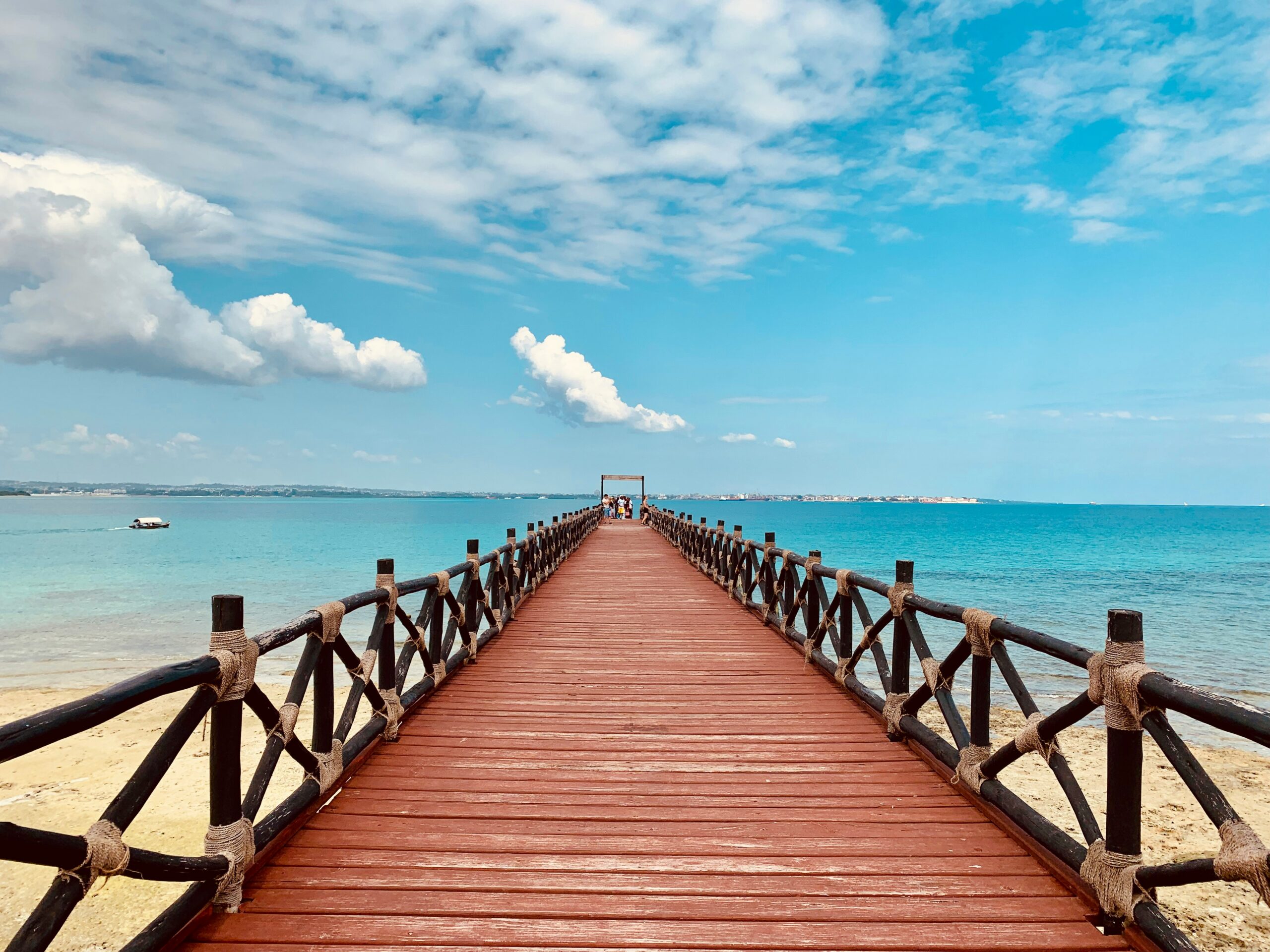
Its narrow streets, historic buildings, markets and waterfront reflect the island's role in Indian Ocean trade. UNESCO describes Stone Town as an important example of a Swahili coastal trading town, with architectural influences from Africa, Arabia, India and Europe.
A visit can include the Old Fort, Darajani Market, historic waterfront, former slave-market site, traditional architecture and local food experiences.
For first-time visitors, spending at least part of the trip in or around Stone Town can provide useful cultural context before moving to the beach.
Best Places to Visit in Zanzibar
Zanzibar is not one uniform beach destination. Each area suits a different type of traveler.
| Area | Best For |
|---|---|
| Stone Town | History, culture, architecture, food and short stays. Particularly useful at the beginning or end of a Zanzibar itinerary because of its location near the airport and port. |
| Nungwi | Swimming, resorts, restaurants, marine activities and a livelier atmosphere. One of Zanzibar's most established beach destinations at the northern tip of Unguja. |
| Kendwa | Beach relaxation, swimming and sunsets. Close to Nungwi but with a distinct resort atmosphere. |
| Paje | Kitesurfing, beach activities and a social atmosphere. One of the island's best-known kitesurfing destinations on the southeast coast. |
| Jambiani | Quieter beach stays and a more local coastal setting. A slower-paced alternative south of Paje. |
| Matemwe | Quieter luxury stays, snorkeling and access to Mnemba Atoll. On the northeast coast, useful for marine excursions. |
Things to Do in Zanzibar
A well-planned Zanzibar itinerary can mix several types of experiences instead of spending every day at the resort.
| Activity | What to Expect |
|---|---|
| Explore Stone Town | Walk through the historic centre, visit markets and landmarks, and learn about Zanzibar's Swahili and Indian Ocean trading history. |
| Take a Spice Tour | Zanzibar's association with cloves, cinnamon, vanilla and other tropical spices has earned it the long-standing nickname Spice Island. A plantation visit introduces the crops and traditions behind that history. |
| Visit Jozani-Chwaka Bay National Park | The best-known place to look for the endemic Zanzibar red colobus. Guided walks also introduce visitors to the island's forest and mangrove environments. |
| Snorkeling or Diving | Marine excursions can be arranged around several reef areas, with Mnemba Atoll among the most recognized sites. |
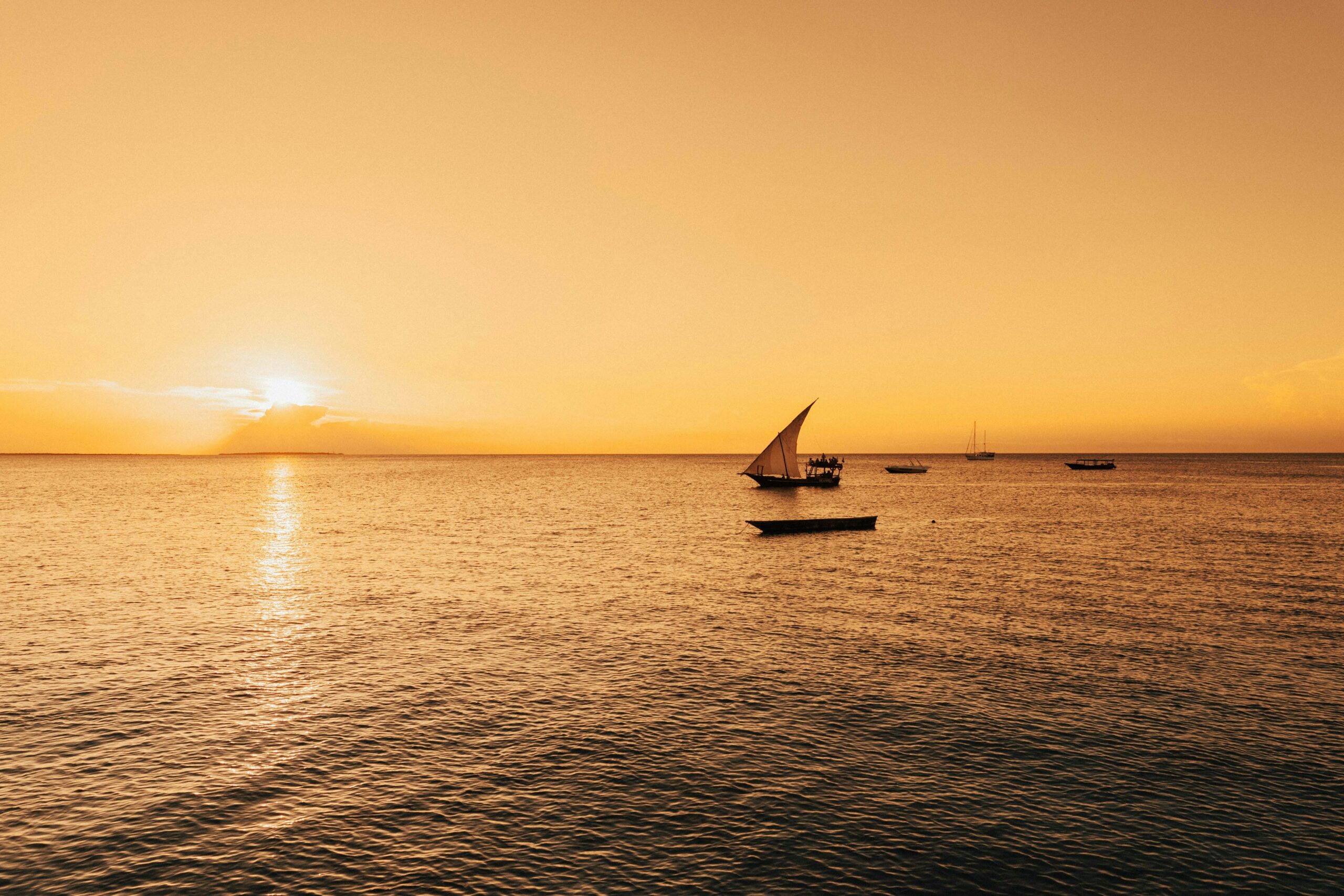
| Dhow Excursion | Traditional sailing boats are part of Zanzibar's coastal identity. Trips can be combined with snorkeling, sandbanks or sunset experiences. |
| Visit Changuu Island | Often called Prison Island, accessible by boat from Stone Town and known for its giant tortoises and marine activities. |
| Try Zanzibar's Food | Swahili cuisine combines coastal ingredients with influences from the island's trading history — seafood, coconut-based dishes, pilau and spiced foods. |
Zanzibar and Tanzania Safari: How to Combine Them
One of the strongest reasons to include Zanzibar in a Tanzania itinerary is the contrast between wildlife safari and Indian Ocean relaxation. A classic itinerary can begin with a mainland safari, with Zanzibar providing several days of beach and cultural experiences at the end — our honeymoon safaris and luxury safaris are commonly built around exactly this combination.
| Mainland Destination | Best For |
|---|---|
| Serengeti National Park | Large-scale wildlife viewing and the Great Migration |
| Ngorongoro Crater | Concentrated wildlife viewing |
| Tarangire National Park | Elephants and baobab landscapes |
| Nyerere National Park | A southern Tanzania safari experience |
| Mikumi National Park | Shorter safari itineraries |
This combination is already a common travel pattern: recent travel coverage and traveler discussions frequently describe Zanzibar as an extension before or after a Tanzania safari.
For travelers already staying in Zanzibar who want a short wildlife experience, southern Tanzania destinations such as Nyerere or Mikumi can be more practical for shorter safari itineraries than trying to fit the Serengeti and northern circuit into a very short trip. The best option depends on flight schedules, safari duration and budget.
Explore our safari styles:
Best Time to Visit Zanzibar
Zanzibar can be visited throughout the year, but weather and sea conditions vary. The generally preferred periods are January to February and June to October, when rainfall is typically lower and conditions are favorable for beach activities and marine excursions. June to October is particularly popular because it coincides with the dry season on much of mainland Tanzania.
| Period | Conditions |
|---|---|
| January – February | Hot, generally dry and suitable for beaches, snorkeling and diving |
| March | Increasing rainfall and humidity, although conditions can still be suitable for travel |
| April – May | The long rains make these the wettest months — quieter conditions and potentially lower accommodation rates, but weather can interfere with outdoor activities |
| June – October | One of the most popular periods, with generally dry weather and good beach conditions |
| November – December | Short rains can occur, but Zanzibar remains warm and travel is still possible |
If Zanzibar is being combined with a safari, choose dates according to both destinations, rather than looking at Zanzibar's weather alone.
Where Should You Stay in Zanzibar?
The best area depends on what you want from the trip.
- Choose Stone Town for history, culture, food and a short introduction to Zanzibar.
- Choose Nungwi or Kendwa if swimming, established resorts, restaurants and a more active beach environment are priorities.
- Choose Paje if kitesurfing, beach activities and a social atmosphere appeal to you.
- Choose Jambiani for a quieter coastal stay with more local character.
- Choose Matemwe if you prefer a quieter beach setting and want convenient access to snorkeling and diving around Mnemba.
There is no single "best area" for everyone. Recent traveler discussions reinforce that location can significantly affect the experience, particularly when choosing between nightlife, quiet beaches, marine activities and cultural access.
How Long Should You Spend in Zanzibar?
For a short Tanzania safari extension, 3–4 nights can provide enough time for a beach stay and one or two excursions.
A 5–7 night Zanzibar holiday gives you more flexibility to combine Stone Town, a beach area and several activities without rushing.
For a longer Tanzania trip, Zanzibar can comfortably occupy a week or more, particularly when travelers want time for diving, snorkeling, cultural tours and different coastal areas.
The right duration depends on whether Zanzibar is the main destination or an extension after a mainland safari, such as our mid-range or budget Northern Circuit itineraries.
Is Zanzibar a Safari Destination?
Zanzibar is not primarily a traditional Big Five safari destination. Its main wildlife experiences are marine and island-based, alongside forest wildlife such as the Zanzibar red colobus.
This distinction is important when planning your trip: you can have a Tanzania safari and Zanzibar holiday in one itinerary without treating Zanzibar itself as another Serengeti-style game-drive destination.
Frequently Asked Questions About Zanzibar
Is Zanzibar part of Tanzania?
What is Zanzibar best known for?
What is the best time to visit Zanzibar?
Can I combine Zanzibar with a Tanzania safari?
How many days do I need in Zanzibar?
Which area of Zanzibar is best for beaches?
Is Stone Town worth visiting?
Plan Your Zanzibar Experience
Whether Zanzibar is the beginning, middle or final chapter of your Tanzania trip, we'll help you build the beach portion around your wider safari journey — beach stays, cultural experiences, marine excursions and safari combinations.
Get a Free Quote