Ruaha National Park: Inside Tanzania’s Largest Park
Most safari planners already know Serengeti and Ngorongoro by name — the classic stops on Tanzania’s northern circuit. But few realize the country’s actual largest national park lies further south, largely untouched by crowds and packed with elephants, lions, and wild dogs. In this guide, we’ll take you inside Ruaha National Park, covering exactly what makes it Tanzania’s biggest wilderness and how to experience it.
Key Takeaways
- Ruaha National Park covers approximately 20,226 square kilometers (7,809 square miles), making it the largest national park in Tanzania.
- The park sits in south-central Tanzania, roughly 130 km west of Iringa, and forms part of the wider 45,000 sq km Rungwa-Kizigo-Muhesi ecosystem.
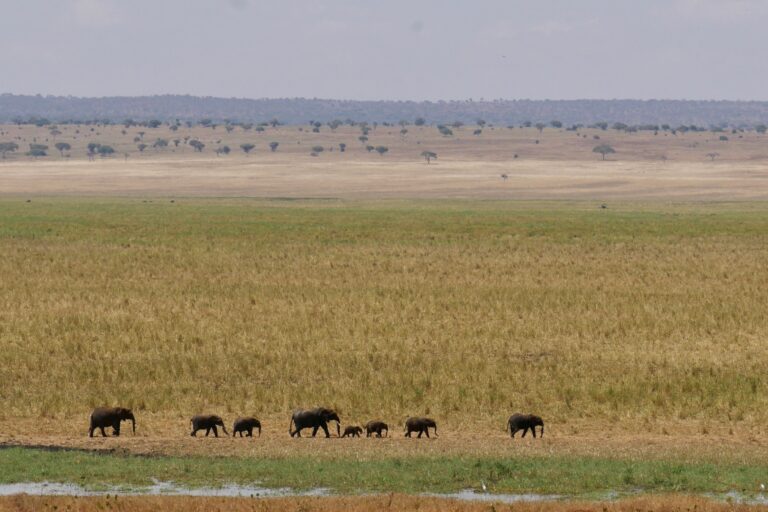
- Ruaha is home to one of East Africa’s largest elephant populations, along with significant lion and African wild dog numbers.
- The Great Ruaha River is the park’s ecological lifeline, drawing wildlife along its banks especially during the dry season.
- Ruaha receives far fewer visitors than Tanzania’s northern circuit parks, offering a more remote and exclusive safari experience.
- The park supports over 550 recorded bird species, making it a strong destination for birdwatching alongside big-game viewing.
- Planning a Ruaha safari involves choosing the right season, arranging access via road or airstrip, and selecting lodges suited to a remote wilderness setting.
What Is Ruaha National Park and Where Is It Located?
Ruaha National Park is a 20,226-square-kilometer (7,809-square-mile) protected wilderness in south-central Tanzania, roughly 130 kilometers west of the town of Iringa. That makes it the largest national park in the country and one of the biggest protected areas in Africa. The park was originally gazetted in 1964 out of the old Rungwa Game Reserve, then dramatically expanded in 2008 when the Usangu Game Reserve and surrounding wetlands were folded into its boundaries.
Ruaha sits in the Eastern (Great) Rift Valley, at elevations ranging from roughly 750 to 1,900 meters. This elevation shift creates a landscape of rolling plains, rocky outcrops, and river-carved gorges rather than the flat, open grassland most people picture when they think “Serengeti.” If you’re mapping out where this fits into a broader trip, our Tanzania destinations overview breaks down how Ruaha compares geographically to the country’s other major parks.
The name “Ruaha” comes from the Hehe word for “river,” a fitting title for a park defined by the Great Ruaha River that traces its southeastern border. Ruaha National Park is Tanzania’s largest national park, and its size alone gives it an outsized ecological role — it anchors an ecosystem far bigger than its own boundaries.
How Ruaha’s Size Compares to Other Tanzania Parks
At just over 20,000 square kilometers, Ruaha dwarfs the more famous parks on the northern safari circuit. Serengeti National Park covers about 14,750 square kilometers, while Tarangire and Lake Manyara are smaller still. Only Nyerere National Park in the south comes close in scale, at roughly 30,000 square kilometers, which technically makes it Tanzania’s single largest national park today — a point worth flagging honestly. Depending on the source and the year of measurement, Ruaha is cited as either the largest or second-largest, a discrepancy that stems from Nyerere’s 2019 upgrade from game reserve to national park status.
Regardless of exactly where it ranks, Ruaha remains enormous by any standard. It’s roughly the size of the U.S. state of New Jersey, and it forms the core of the 45,000-square-kilometer Rungwa-Kizigo-Muhesi ecosystem, which includes several adjoining game reserves.
A Brief History of Ruaha National Park
Ruaha’s protected status dates back further than most visitors assume. The area was first set aside as part of the Rungwa Game Reserve in 1946, decades before Tanzania gained independence. In 1964, the core of that reserve was upgraded to national park status and renamed Ruaha, after the river that defines its landscape.
For example, the 2008 expansion that absorbed the Usangu Game Reserve nearly doubled the park’s original size, adding critical wetlands that support dry-season water flow into the Great Ruaha River. That single decision reshaped Ruaha from a large park into what is now one of the largest protected ecosystems on the African continent. As such, understanding this history helps explain why Ruaha’s boundaries look the way they do today, and why the surrounding game reserves remain so tightly linked to the park’s ecological health.
Why Ruaha National Park Matters
Ruaha matters because it protects one of the largest and most intact predator-prey systems left in East Africa. Its sheer scale allows wildlife populations to move freely across huge distances, something that’s become increasingly rare as smaller reserves face fragmentation and encroachment.
Ruaha National Park forms the core of the Rungwa-Kizigo-Muhesi ecosystem, a network of connected reserves spanning about 45,000 square kilometers. This connectivity supports migratory movement for elephants and other large mammals that need space beyond any single park’s borders. As such, Ruaha functions less like an isolated attraction and more like the anchor of a whole regional conservation strategy.
For example, elephant herds in Ruaha regularly move between the park and the surrounding Rungwa and Kizigo Game Reserves depending on seasonal water availability. This kind of large-scale migration only works because the connected habitat remains largely undeveloped. Losing that connectivity would put serious pressure on already-stressed populations.
Moreover, Ruaha’s remoteness is itself a conservation asset. The park recorded just over 21,000 visitors in a recent tourism census — a fraction of the crowds seen in Serengeti during peak migration season — Source: Tanzania National Parks Authority (TANAPA). Fewer vehicles mean less habitat disturbance, quieter game drives, and a lower ecological footprint per visitor.
At the same time, Ruaha plays a critical role in lion conservation. The park is recognized as one of Tanzania’s official Lion Conservation Units, and researchers estimate it holds close to 10% of the world’s remaining wild lion population. That statistic alone places Ruaha among the most important lion strongholds left on the continent.
What Does Ruaha’s Landscape and Geography Look Like?
Ruaha’s landscape is defined by the collision of two distinct ecological zones: the dry, thorny scrub typical of southern Africa and the taller grasslands more common in East Africa’s Rift Valley parks. This overlap creates unusually high plant diversity, which in turn supports a wide range of grazing and browsing species side by side.
The Great Ruaha River
The Great Ruaha River is the ecological centerpiece of the park, drawing large concentrations of wildlife to its banks during the dry season. As smaller water sources evaporate between June and October, animals concentrate along the riverbanks in numbers that rival any northern-circuit game drive. Sandy riverbeds, deep gorges, and swirling rapids make the river both a wildlife magnet and a scenic focal point for photography.
For example, during the peak dry months, it’s common to see elephants, buffalo, and antelope drinking within sight of resting lion prides along the same stretch of riverbank. That kind of predictable concentration is exactly why experienced safari-goers plan their Great Ruaha River game drives around the dry season rather than the wetter months.
Baobabs, Kopjes, and Woodland
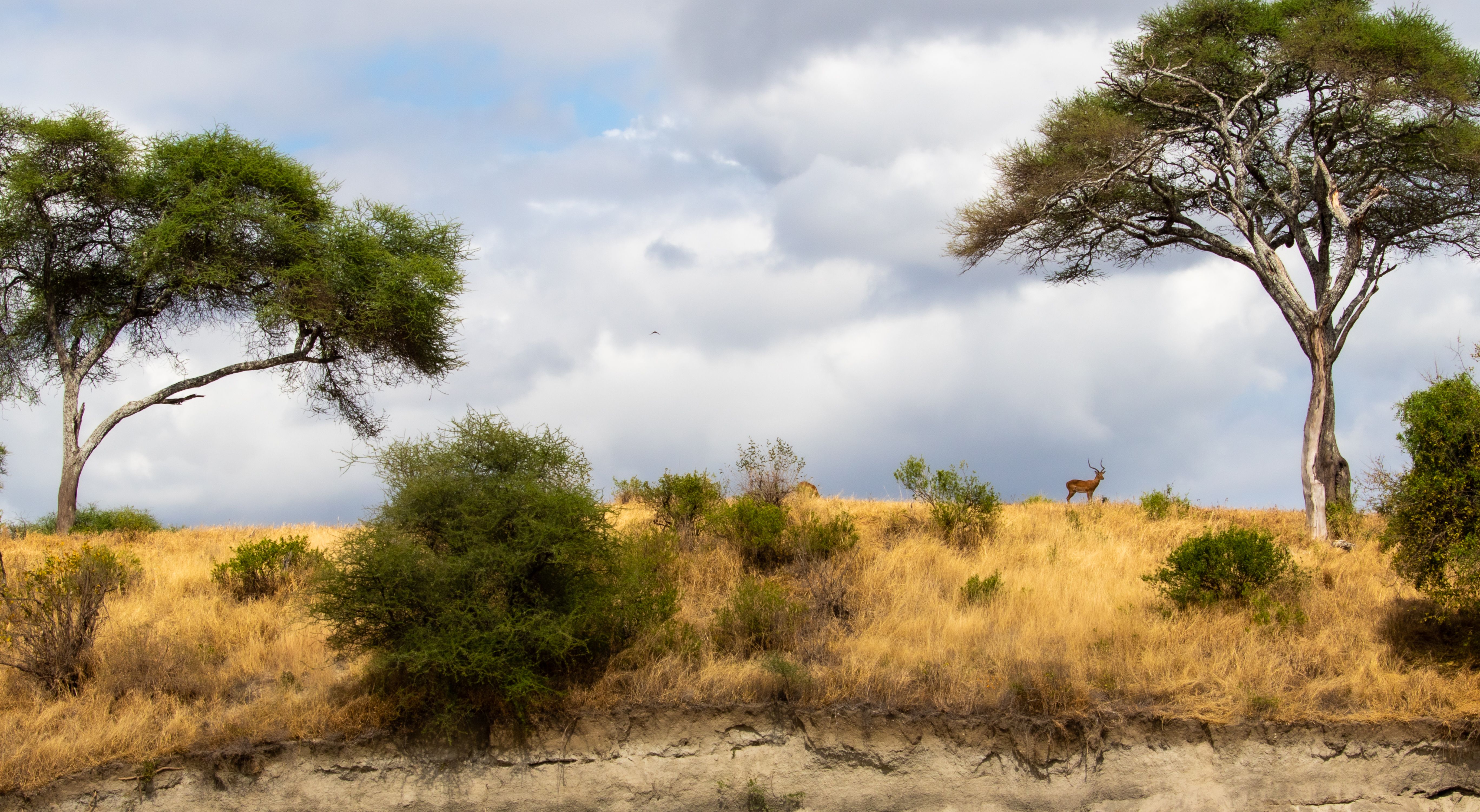
Beyond the river, Ruaha’s terrain shifts dramatically. Ancient baobab trees dot the northern reaches of the park, their swollen trunks standing out against golden dry-season grass. Rocky granite kopjes rise from the plains near Ngalambulwa Mountain, the park’s highest point at roughly 1,600 meters, offering some of the best panoramic views in southern Tanzania.
In addition, seasonal rivers and swamps cut through dense miombo woodland in the park’s interior, creating pockets of shade and cover that support species less commonly seen on open plains, such as greater kudu and sable antelope. This landscape variety is part of what makes Ruaha feel less like a single ecosystem and more like several distinct habitats stitched together.
What Wildlife Can You See in Ruaha National Park?
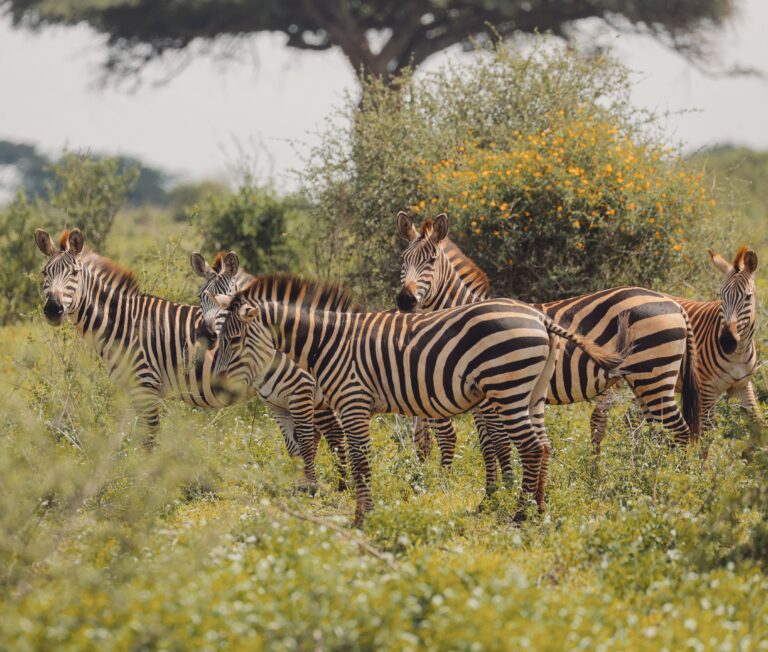
Ruaha supports one of East Africa’s largest elephant populations along with significant numbers of lions and African wild dogs. The park’s isolation and scale have allowed predator and prey populations to remain relatively undisturbed compared to more heavily visited parks, which makes for genuinely wild, unscripted sightings.
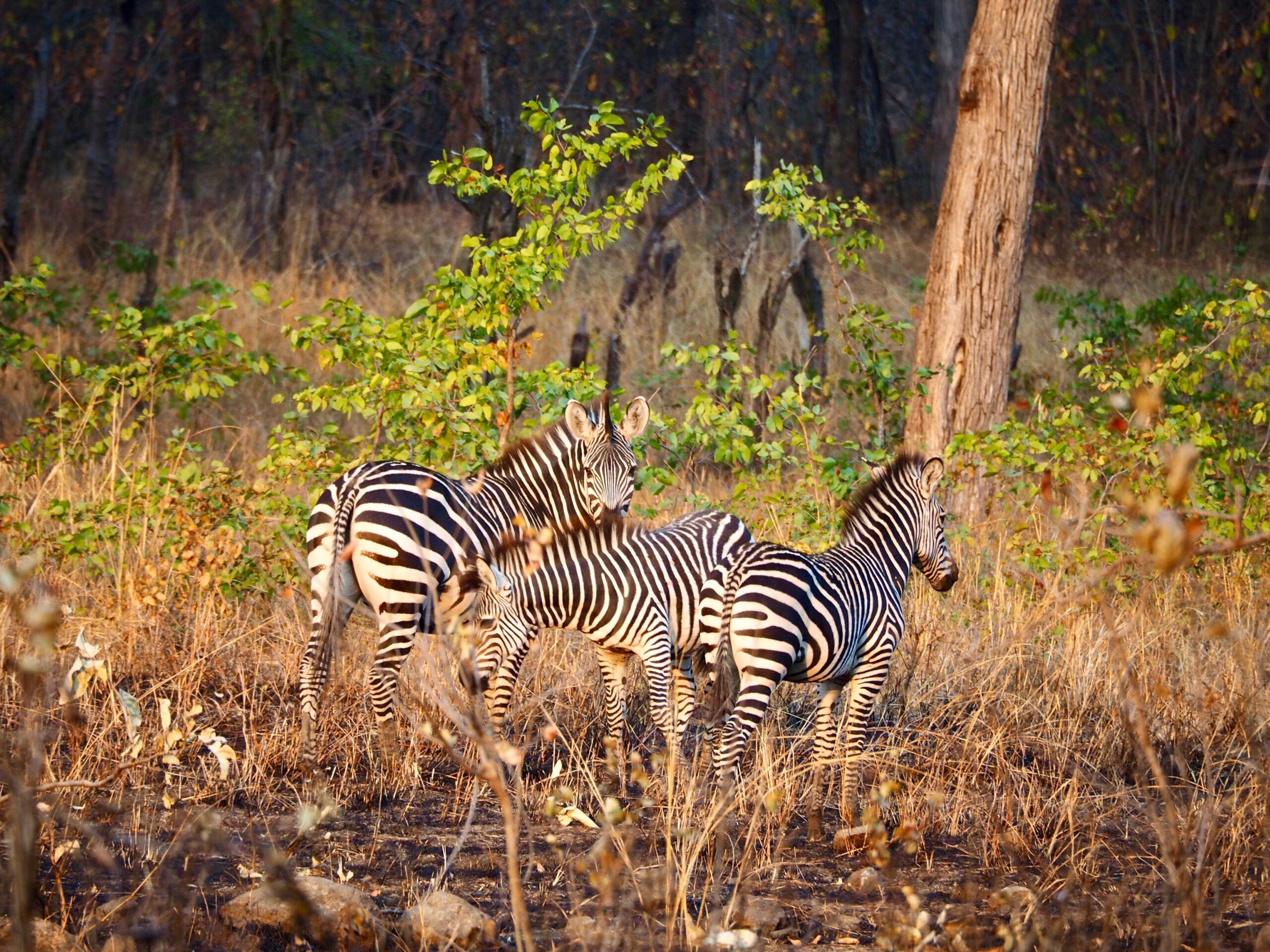
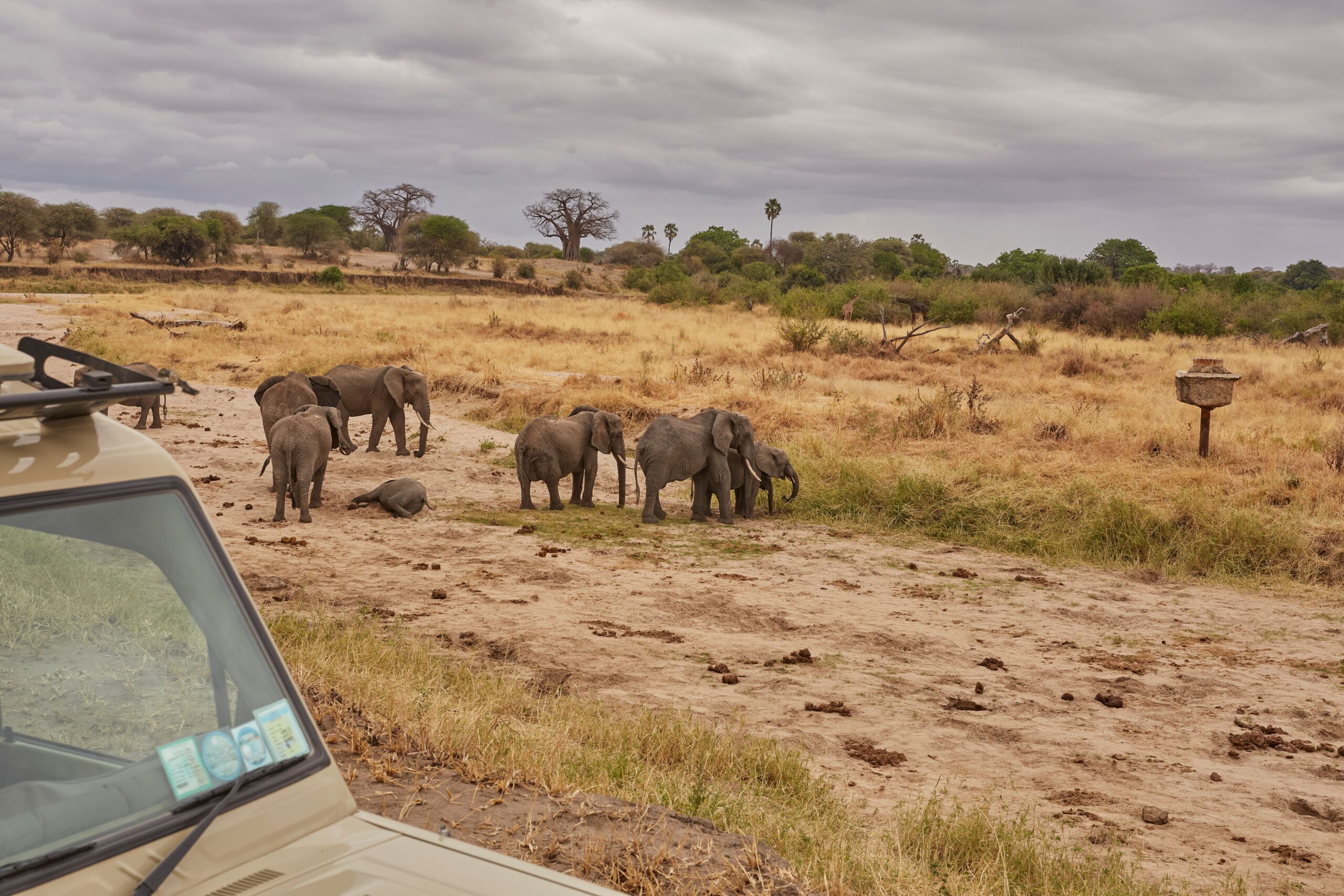
Elephant numbers in Ruaha are estimated at well over 10,000 individuals, among the highest concentrations recorded anywhere in Tanzania — Source: Tanzania National Parks Authority (TANAPA), 2023. Buffalo herds can number in the thousands, and the park is one of the last strongholds for large populations of greater and lesser kudu, a species that’s become scarce elsewhere in East Africa.
Predators of Ruaha
Ruaha’s predator lineup reads like a wildlife enthusiast’s checklist: lion, leopard, cheetah, spotted hyena, and African wild dog all roam the park in healthy numbers. Because Ruaha sits at the meeting point of East and Southern African wildlife zones, you’ll find species combinations here that don’t overlap in most other parks.
For example, Ruaha is one of the few places in Tanzania where visitors have a realistic chance of spotting African wild dogs, a species that has vanished from much of its historic range due to habitat loss and disease. Their presence here is a strong indicator of how intact the wider ecosystem remains. If predator sightings are your priority, pairing Ruaha with a stay in Nyerere National Park can round out a southern-circuit safari focused on big cats and wild dogs.
Wildlife Comparison at a Glance
| Species | Estimated Population in Ruaha | Notable Behavior |
|---|---|---|
| Elephant | 10,000+ | Large, undisturbed herds along the river |
| Lion | ~10% of world’s wild lion population (park-wide estimate) | Prides concentrate near dry-season water |
| African Wild Dog | Among the largest packs in Tanzania | Wide-ranging, rarely seen in other parks |
| Buffalo | Several thousand | Herds move seasonally with water access |
| Greater Kudu | Stable, notable population | Prefers woodland and rocky terrain |
| Bird species | 570+ recorded | Year-round, peaks with migratory arrivals |
Birdlife in Ruaha
Ruaha supports over 550 recorded bird species, making it one of Tanzania’s premier birdwatching destinations alongside its big-game appeal. Bee-eaters, hornbills, kingfishers, and a range of raptors are common sightings along the riverbanks and woodland edges. The rare Eleonora’s falcon passes through during December and January, drawing dedicated birders to the park during that narrow window.
Why Ruaha’s Predator-Prey Balance Stands Out
Ruaha’s predator-prey balance stands out because the park’s scale allows natural population dynamics to play out with minimal human interference. Unlike smaller reserves where fencing or dense tourist traffic can distort animal behavior, Ruaha’s predators hunt across genuinely wild terrain.
That being said, this balance is not without pressure. Livestock grazing and water extraction upstream of the Great Ruaha River have, at times, reduced dry-season flow, affecting both wildlife and the communities that depend on the river. Conservation groups and TANAPA have worked over the past decade to manage upstream water use more sustainably, and river flow has shown measurable improvement in recent years — Source: Tanzania National Parks Authority (TANAPA). This ongoing management effort is part of why Ruaha’s ecosystem remains healthy enough to support such dense wildlife populations today.
When Is the Best Time to Visit Ruaha National Park?
The best time to visit Ruaha National Park is during the dry season, from roughly June through October, when wildlife concentrates predictably along the Great Ruaha River. Thinner vegetation during these months also makes animals easier to spot, and river crossings become reliable viewing points for both predators and prey.
Dry Season (June to October)
During the dry season, water sources outside the river system largely disappear, forcing animals toward the same handful of reliable spots. First, this predictability makes game drives far more productive than during the wetter months. Second, the thinning bush canopy improves visibility dramatically, which benefits both wildlife photography and general sightings.
Wet Season (November to May)
The wet season transforms Ruaha into a lush, green landscape with dramatically fewer visitors and lower lodge rates. That being said, wildlife disperses across the wider ecosystem during this period, since temporary water sources reduce the need to cluster near the river. Birdwatchers, however, benefit significantly, as migratory species arrive in large numbers between November and April. Anyone planning around Tanzania’s broader wet-versus-dry patterns should also check our guide on when to go on an African safari before locking in dates.
How Do You Get to Ruaha National Park?
Getting to Ruaha National Park typically means flying into a park airstrip or driving from Iringa, since the park’s remote location keeps it well outside Tanzania’s main road network. Most visitors combine a scheduled or chartered flight from Dar es Salaam, Arusha, or Zanzibar with a short transfer to their chosen camp.
By road, Ruaha sits roughly a two-and-a-half to three-hour drive from Iringa town, along mostly unpaved routes that add to the sense of remoteness. This overland journey works well for travelers already touring Tanzania’s southern circuit, but most international visitors opt to fly directly into one of the park’s airstrips to save time. Before booking flights, it’s worth reviewing general Tanzania visa and travel requirements, since entry logistics differ depending on your route into the country.
Flying Into Ruaha
Scheduled light-aircraft flights connect Ruaha’s airstrips to Dar es Salaam, Arusha, and Zanzibar several times a week, with most flights routed through regional hubs on Tanzania’s domestic carriers. First, this makes Ruaha far more accessible than its remote reputation suggests, since a flight from Dar es Salaam typically takes under two hours. Second, most safari camps include airstrip transfers as part of their package, so the flight is often the only logistics detail travelers need to book independently.
For travelers combining Ruaha with a northern-circuit safari, connecting flights through Arusha are usually the most efficient option. This routing lets visitors pair a stay in Ruaha with parks like Arusha National Park or a pre- or post-safari stop in Zanzibar without adding excessive travel time.
Where Should You Stay in Ruaha National Park?
Accommodation in Ruaha ranges from luxury tented camps along the riverbank to more affordable mid-range lodges further inland, giving travelers real flexibility regardless of budget. Because the park receives so few visitors relative to its size, even mid-range properties tend to feel exclusive and uncrowded.
Camps positioned directly along the Great Ruaha River offer the best wildlife viewing, since animals pass close to camp boundaries during the dry season. Properties further from the river, by contrast, often provide a quieter, more secluded experience with a stronger focus on walking safaris and birding. For a full breakdown of what’s available at each price point, our comparisons of luxury Tanzania safaris, mid-range Tanzania safaris, and budget Tanzania safaris can help match a camp to your travel style.
Families traveling with children should also check availability carefully, since some remote camps in Ruaha have minimum age restrictions due to walking safari activities. Our guide to family safaris in Tanzania covers which parks and camps work best for younger travelers, while couples looking for a more intimate setting may prefer the honeymoon-focused properties detailed in our honeymoon safaris guide.
What Type of Camp Suits Your Travel Style?
Choosing a camp in Ruaha largely comes down to matching accommodation style with what you want out of the trip. Riverside tented camps suit travelers prioritizing wildlife density and photography, since animals pass close to camp throughout the dry season. Interior lodges, on the other hand, suit travelers who want a quieter base for walking safaris and birding away from vehicle traffic.
For example, a couple on a honeymoon might prioritize a smaller, more intimate riverside camp with just a handful of tents, while a family group might prefer a larger property with dedicated family units and flexible activity scheduling. Budget-conscious travelers can still access excellent game viewing by choosing camps slightly further from the main river circuit, where nightly rates drop without sacrificing much in terms of wildlife access. Whichever route you take, booking through a specialist familiar with Ruaha’s specific camps — rather than a generic booking platform — tends to produce a better-matched stay.
How Does Ruaha Compare to Serengeti and Other Tanzania Parks?
Ruaha differs from Serengeti and the northern circuit primarily in crowd levels, terrain, and the type of wildlife experience on offer. Where Serengeti is famous for the Great Migration’s sweeping herds, Ruaha delivers a quieter, predator-and-elephant-focused experience across a more rugged, varied landscape.
Compared to Tanzania’s northern circuit parks, Ruaha receives far fewer visitors, offering travelers a more remote and less crowded safari experience. Serengeti’s fame rests largely on the annual wildebeest migration, a spectacle Ruaha simply doesn’t offer. If migration viewing is the priority, our Serengeti National Park guide and dedicated breakdown of how many days you need in Serengeti are better starting points.
That said, Ruaha holds its own on raw wildlife density, particularly for elephants, lions, and the increasingly rare African wild dog. Many experienced safari travelers pair a few days in Ruaha with time in Ngorongoro Crater or Tarangire National Park to contrast the northern circuit’s density with Ruaha’s untouched wilderness feel. The two experiences complement each other rather than compete — one delivers scale and spectacle, the other delivers solitude and raw wilderness.
Terrain and Vegetation Differences
Terrain is another point of contrast worth understanding before you book. Serengeti and Lake Manyara National Park both feature relatively open, flat terrain suited to sweeping wide-angle photography. Ruaha, by comparison, offers a more textured landscape of rocky kopjes, riverine gorges, and baobab-studded hillsides.
Plus, this terrain variation directly shapes the wildlife-viewing experience. Open plains make it easier to spot animals from a distance, while Ruaha’s varied terrain rewards patience and often produces closer, more intimate sightings along the river corridor. Neither approach is objectively better — it simply depends on whether you’re chasing sweeping vistas or a more textured, exploratory safari.
Is Ruaha National Park Good for Birdwatching?
Yes, Ruaha National Park is an excellent birdwatching destination, with over 550 recorded species spread across river, woodland, and savanna habitats. The diversity stems partly from Ruaha’s position at the overlap of East and Southern African bird ranges, which brings species together that rarely share the same territory elsewhere.
Colorful bee-eaters, hornbills, and a wide range of raptors are common along the Great Ruaha River, particularly near pools that persist through the dry season. Birders visiting between December and January have a strong chance of spotting the rare Eleonora’s falcon, a migratory species that passes through during this narrow window. For travelers building a birding-focused itinerary, our roundup of birdwatching safaris in East Africa covers additional parks worth combining with a Ruaha visit.
How Many Days Do You Need to Explore Ruaha National Park?
Most travelers should plan for at least three to four days in Ruaha National Park to properly explore its varied terrain and maximize wildlife sightings. Given the park’s size, a single day barely scratches the surface of what’s on offer, and longer stays significantly improve the odds of predator sightings.
A three-night stay allows time for both morning and evening game drives along the Great Ruaha River, plus at least one excursion into the park’s woodland interior. Four or more nights open the door to walking safaris, which many camps offer as an add-on activity for a more immersive, on-foot wildlife experience. Travelers combining Ruaha with other southern circuit parks, such as Nyerere National Park or Mikumi National Park, often extend their total southern Tanzania trip to seven or more nights.
Practical Application: Planning Your Ruaha Game Drives and Activities
Once you’ve settled on dates and a camp, the practical planning shifts toward structuring your days for the best wildlife encounters. Game drives remain the core activity in Ruaha, typically run in early morning and late afternoon sessions when animals are most active and temperatures are manageable.
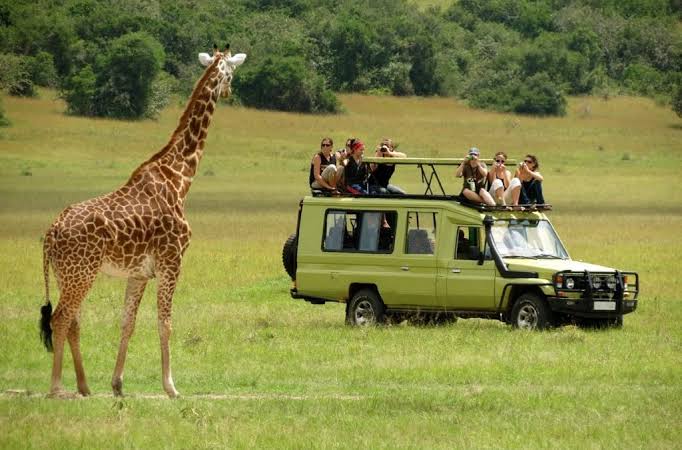
Walking safaris, offered by many camps and led by armed rangers, give visitors a closer, slower look at smaller details of the ecosystem — tracks, dung, insect activity, and plant life that vehicles simply drive past. By adding a walking safari to your itinerary, you can experience Ruaha’s terrain in a way that pure game-drive itineraries miss entirely.
For photographers, riverbank hides and elevated tree platforms near known water sources offer excellent vantage points without disturbing wildlife. Several camps also run night drives, which are prohibited in some of Tanzania’s more heavily regulated parks but remain available in parts of Ruaha, giving visitors a rare chance to spot nocturnal predators like leopard and hyena in action.
Packing and Preparing for a Ruaha Safari
Preparing for Ruaha requires slightly more planning than a standard northern-circuit trip, given its remote location and dry, dusty terrain. Neutral-colored clothing, layered options for cool mornings and hot afternoons, and sturdy closed-toe shoes for walking safaris all make the packing list. A wide-brimmed hat and high-SPF sunscreen matter more here than in cooler, higher-altitude parks like Ngorongoro.
In addition, binoculars are worth prioritizing given Ruaha’s mix of distant plains sightings and detailed birdwatching opportunities. Most camps supply basic first-aid support, but travelers should still carry any personal medications, since the nearest full medical facilities sit hours away by road. For a complete rundown of what to bring on any Tanzania trip, our Tanzania safari packing list covers season-specific recommendations in more detail.
Free planning resources are also worth checking before you go. Government tourism portals and TANAPA’s official park pages provide up-to-date entry fees and regulations, and pairing that information with a specialist operator’s on-the-ground knowledge — such as our own Tanzania safari experiences page — helps you avoid outdated or inaccurate third-party listings.
Frequently Asked Questions About Visiting Ruaha
Is Ruaha National Park safe for tourists? Yes, Ruaha is considered a safe destination for tourists, with all activities conducted alongside licensed guides and, for walking safaris, armed park rangers. As such, standard safari safety precautions — staying inside vehicles during game drives and following ranger instructions on foot — apply here just as they do across Tanzania’s other parks.
Do you need a 4×4 vehicle for Ruaha? Yes, a 4×4 vehicle is essential in Ruaha, since many of the park’s tracks are unpaved and can become difficult to navigate, particularly during the wet season. Most camps provide 4×4 vehicles and experienced drivers as part of their game-drive packages, so independent self-drive visits are uncommon.
Can you combine Ruaha with a Zanzibar beach holiday? Yes, many travelers combine a Ruaha safari with a beach extension in Zanzibar, using Dar es Salaam as a convenient connecting point between the two. This pairing balances Ruaha’s rugged wilderness with several days of relaxation on the coast.
What’s Next: Planning Your Ruaha Safari
By this point, you should have a solid picture of what makes Ruaha worth the extra flight time and planning effort. The next step is turning that interest into an actual itinerary.
First, decide whether Ruaha will anchor a dedicated southern-circuit trip or serve as an add-on to a northern-circuit safari. Combining Ruaha with Nyerere National Park creates a strong southern-circuit pairing focused on remoteness and predator density, while adding it onto a Serengeti or Ngorongoro Crater trip gives you contrast between spectacle and solitude.
Second, lock in your travel dates around the dry season if predictable, high-density wildlife viewing is your priority, or the wet season if you’re chasing birdlife and lower rates. Third, choose accommodation that matches both your budget and your preferred pace — riverside camps for maximum game viewing, or interior lodges for a quieter, walking-safari-focused stay.
Finally, reach out to a specialist operator who knows the southern circuit well. Our team can help build a custom itinerary around Ruaha and its neighboring parks — start the conversation on our contact page, or browse our full Tanzania destinations guide to see how Ruaha fits alongside the rest of the country’s parks.
Conclusion
Ruaha National Park earns its reputation the hard way — through scale, raw wilderness, and wildlife density rather than marketing hype. Ruaha National Park covers roughly 20,226 square kilometers (7,809 square miles), anchors one of East Africa’s most important lion populations, and delivers a safari experience defined by space and solitude rather than crowds.
If you’ve already checked Serengeti and Ngorongoro off your list — or you’re simply looking for a Tanzania safari that few other travelers have experienced — Ruaha deserves serious consideration. Explore our Ruaha National Park destination page for camp options, or get in touch through our contact page to start planning a trip into Tanzania’s biggest wilderness.