Arusha National Park: The Ultimate Day-Trip Safari Before or After Your Trip
Chances are your Kilimanjaro climb is booked and your Serengeti safari itinerary is already mapped out — the big-ticket items your whole trip revolves around. But most travelers fly in or out of Kilimanjaro International Airport with a free day on either end and have no idea a wildlife-rich, walkable national park sits just an hour away. In this guide, we’ll show you exactly how to slot Arusha National Park into your itinerary as the perfect warm-up or wind-down day.
Key Takeaways
- Arusha National Park sits roughly 40 minutes to an hour’s drive from Arusha town and about an hour from Kilimanjaro International Airport, making it one of Tanzania’s most accessible parks for a single day.
- The park is home to Mount Meru, Africa’s fifth-highest mountain, alongside the Ngurdoto Crater and the alkaline Momella Lakes.
- Arusha National Park is one of the few Tanzanian parks that permits walking safaris and canoeing safaris, offering a more immersive experience than vehicle-only game drives.
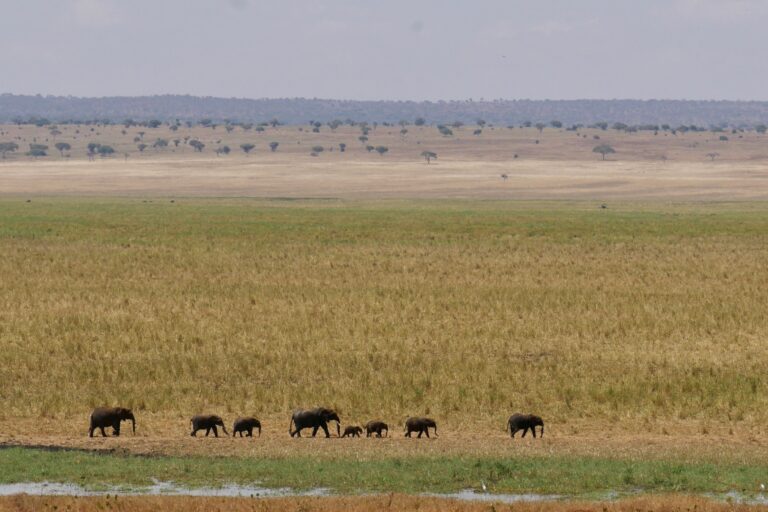
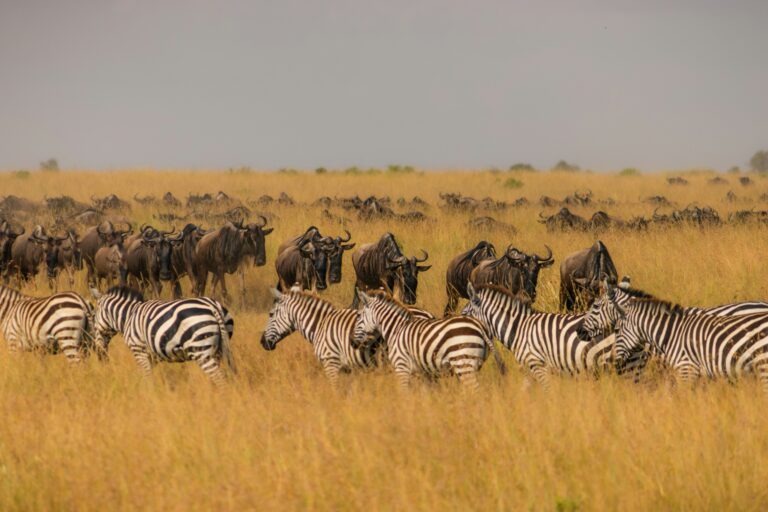
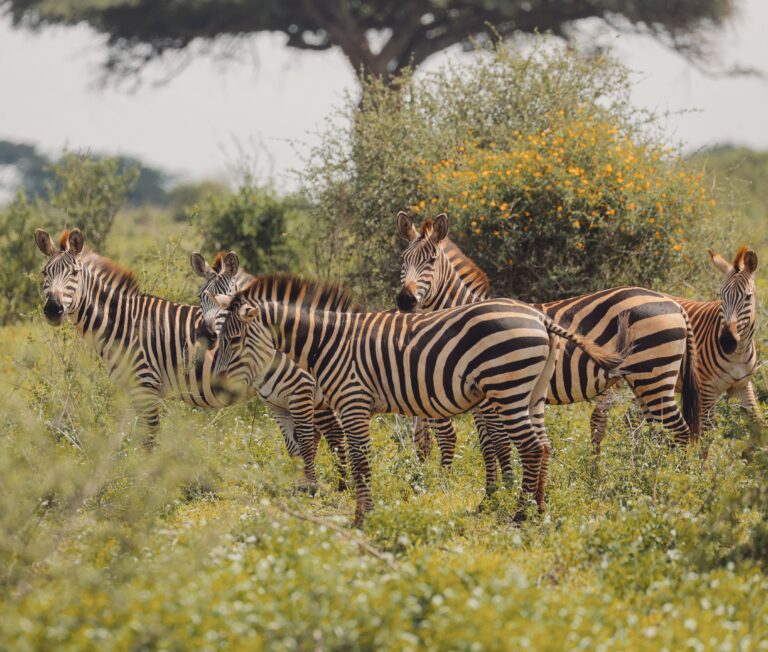
- The park lacks large predators like lions, but it hosts one of Africa’s densest giraffe populations along with zebras, buffalo, warthogs, and several primate species, including black-and-white colobus monkeys.
- A day trip can be scheduled either immediately before or after a Kilimanjaro climb or northern-circuit safari, without adding extra travel days to your Tanzania itinerary.
- Both half-day and full-day tour options exist, with full-day trips typically combining a game drive, a guided walking safari, and a picnic lunch at Momella Lakes.
- On clear days, you can see Mount Kilimanjaro in the distance from within Arusha National Park itself.
What Is Arusha National Park?
Arusha National Park is a small, biodiverse wildlife reserve in northern Tanzania, located roughly 25 miles (40 kilometers) from Arusha town and about an hour’s drive from Kilimanjaro International Airport. It covers approximately 137 square kilometers, making it one of the smallest parks in the country’s northern circuit — but also one of the most varied. Within a single visit, you can move through montane forest, open grassland, swamp, and the alpine slopes of Mount Meru.
Unlike the Serengeti or Tarangire National Park, Arusha National Park isn’t built around Big Five game viewing. It has no resident lions and few large predators. This is not a weakness — it’s what makes the park unusual. Because dangerous predators are largely absent, it’s one of the only parks in Tanzania where you’re allowed to explore on foot and by canoe, getting far closer to the landscape than a vehicle-bound game drive allows.
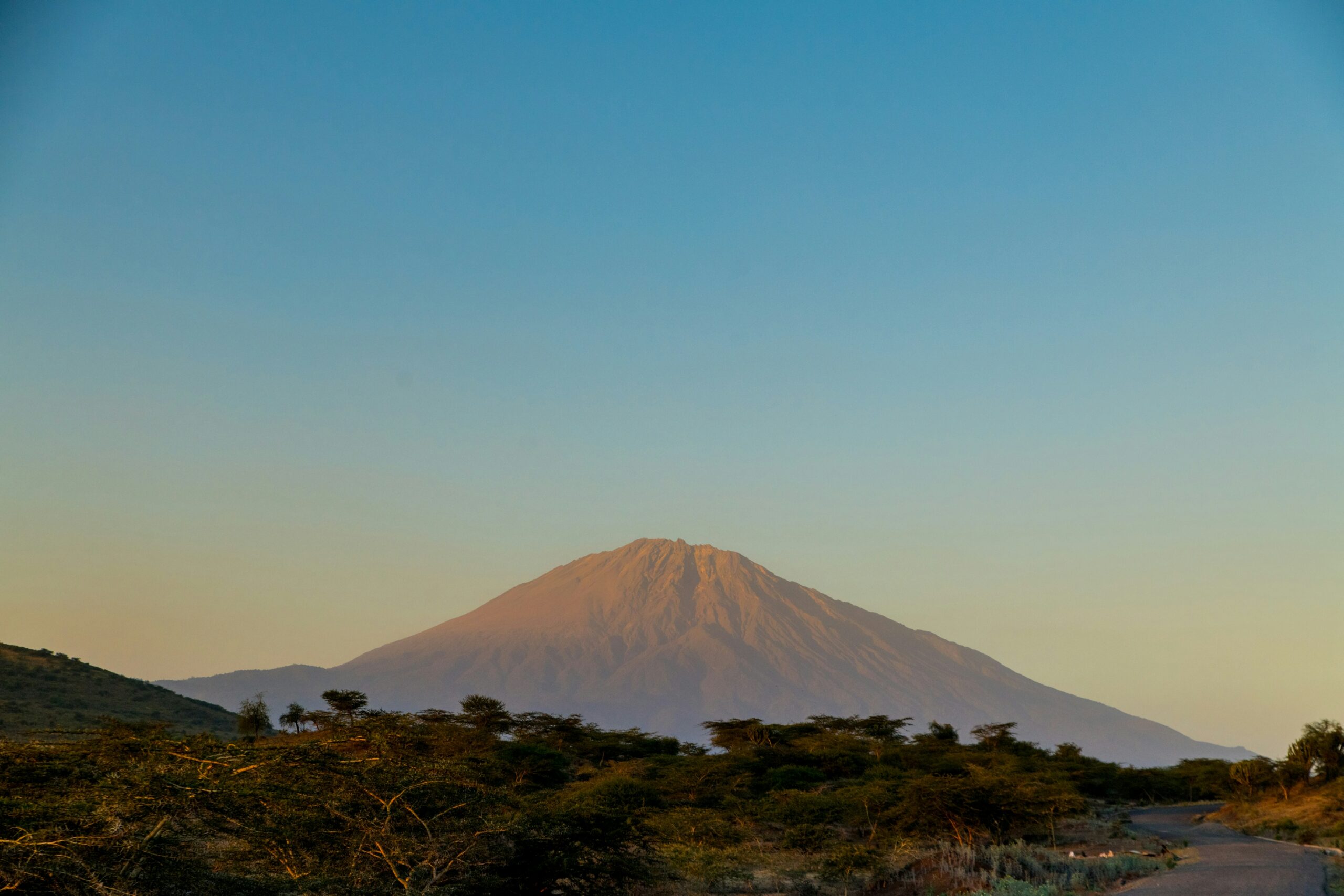
The park is anchored by three distinct features: Mount Meru (4,566 meters, Africa’s fifth-highest peak), the Ngurdoto Crater, and the Momella Lakes, a chain of shallow, alkaline lakes that draw large flocks of flamingos. If you want the full destination overview before you go, our Arusha National Park destination guide breaks down the park’s geography and seasonal highlights in more detail.
How Far Is Arusha National Park From Arusha Town and Kilimanjaro Airport?
Arusha National Park is approximately 40 minutes to an hour’s drive from Arusha town, depending on traffic and which gate you use. From Kilimanjaro International Airport (JRO), the drive takes about an hour, and from Moshi town near Kilimanjaro National Park, it’s closer to 90 minutes over roughly 80 kilometers. This short travel window is exactly why the park works so well as a bookend day — you don’t need to sacrifice an extra overnight stay to fit it in.
What Makes Arusha National Park Different From Other Northern Circuit Parks?
Arusha National Park is defined by activity variety rather than predator density. While parks like Ngorongoro Crater and Serengeti are built for classic vehicle game drives chasing lions and big cats, Arusha National Park’s main draw is that you can walk, canoe, and hike within the same protected area. For travelers who’ve already done — or are about to do — a longer, drive-heavy safari, that hands-on variety is a welcome change of pace.
Why Arusha National Park Is the Perfect Day-Trip Add-On
Arusha National Park matters to your itinerary because it solves a very specific planning problem: what to do with a spare day near Kilimanjaro Airport without adding cost or complexity to your trip. This single feature — proximity — is what separates it from every other park on Tanzania’s northern circuit.
First, most international travelers already pass through Arusha or Kilimanjaro Airport on their way to a Kilimanjaro climb or a multi-day safari. That means a day trip to Arusha National Park doesn’t require a separate flight, a long transfer, or an additional overnight stay in a new location. Second, the short drive time (40 minutes to an hour) means you can leave after breakfast and be back at your hotel well before dinner. Third, the park works equally well as a warm-up before a big trip or as a decompression day afterward.
For example, a traveler flying into Kilimanjaro Airport two days before a seven-day Kilimanjaro climb could use the free day for a half-day game drive and walking safari in Arusha National Park, adjusting to the altitude and time zone before tackling the mountain. Alternatively, a traveler finishing a week-long safari through Tarangire, Ngorongoro Crater, and the Serengeti could add Arusha National Park as a relaxed final outing before flying home, since it requires no significant backtracking.
Should You Visit Arusha National Park Before or After Your Kilimanjaro Climb?
Both options work, and the right choice depends on your priorities. Visiting before your climb gives you a gentle, low-altitude activity to shake off jet lag and get your legs moving before several demanding days on the mountain. Visiting after your climb gives you a lighter, more scenic day to unwind once the physical intensity of summiting is behind you. If you’re also doing a broader safari, check our Tanzania safari guide for first-time travelers for help sequencing your full itinerary.
Is Arusha National Park Worth Visiting for Just One Day?
Yes — Arusha National Park is specifically suited to a single-day visit because its small size means you can meaningfully cover its main highlights (Ngurdoto Crater, Momella Lakes, and a walking or canoeing safari) within six to eight hours. You won’t feel rushed the way you might trying to condense a Serengeti visit into one day. Unlike larger northern-circuit parks, where a single day only scratches the surface, Arusha National Park is compact enough that a well-planned day trip delivers a complete, satisfying experience.
What to See and Do in Arusha National Park
Arusha National Park offers four core activities: game drives, guided walking safaris, canoeing safaris, and — for the more ambitious — a day hike partway up Mount Meru. Each activity highlights a different part of the park, so combining two or three in a single day gives you the fullest picture.
Ngurdoto Crater: The “Little Ngorongoro”
The Ngurdoto Crater is a steep-walled, forest-fringed crater within Arusha National Park, often nicknamed the “Ngorongoro of the small scale” because of its dense vegetation and concentrated wildlife. Visitors view the crater floor from designated viewpoints along the rim rather than descending into it, spotting buffalo, warthogs, and forest birds moving through the swampy grassland below. The lookout points also offer some of the best photography angles in the park, especially in the early morning when mist still clings to the crater floor.
Momella Lakes and Flamingo Viewing
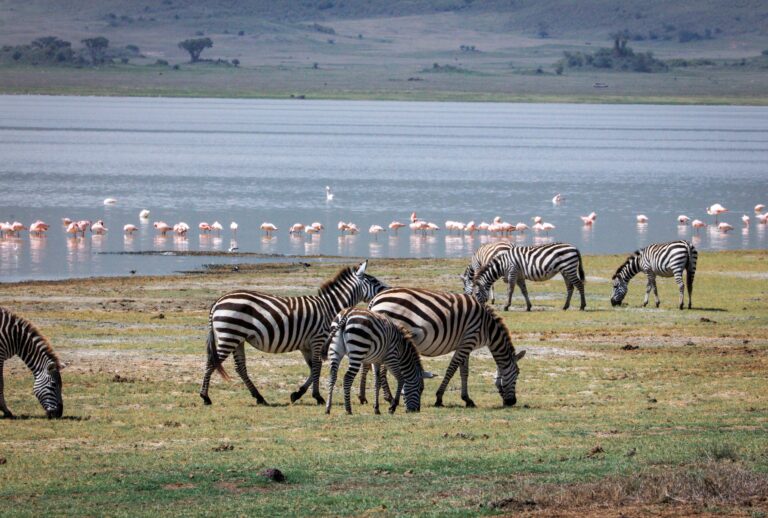
The Momella Lakes are a chain of shallow, alkaline lakes inside Arusha National Park known for attracting large flocks of flamingos and other water birds. These lakes are also where most day-trip lunches are served, giving you a scenic picnic spot with views of the lakes and, on clear days, Mount Kilimanjaro in the distance. Beyond flamingos, birdwatchers can expect to see pelicans, kingfishers, and Egyptian geese, since the park hosts more than 400 recorded bird species in total.
Walking Safaris and Canoeing Safaris
Arusha National Park is one of only a few national parks in Tanzania that permits guided walking and canoeing safaris, according to multiple licensed tour operators. A typical walking safari lasts two to three hours, led by an armed ranger, and often crosses the Jekukumia River en route to a small waterfall where visitors can cool off. Canoeing safaris, offered seasonally on the Momella Lakes, put you at eye level with the birdlife and offer a completely different vantage point than a vehicle-based game drive. For a broader look at where else in Tanzania you can combine walking with wildlife viewing, our great migration safari guide covers seasonal movement patterns across the northern parks.
Mount Meru Day Hike
For travelers who want a taste of high-altitude trekking without committing to a multi-day climb, Arusha National Park offers access to the lower slopes of Mount Meru through the Momella Gate. A day hike typically reaches Miriakamba Hut, roughly four to five hours up and three hours back down, passing through montane forest and open grassland with distant views of Kilimanjaro. This is a popular option for travelers using their Arusha day trip as a fitness test before a full Kilimanjaro attempt.
What Animals Can You See in Arusha National Park?
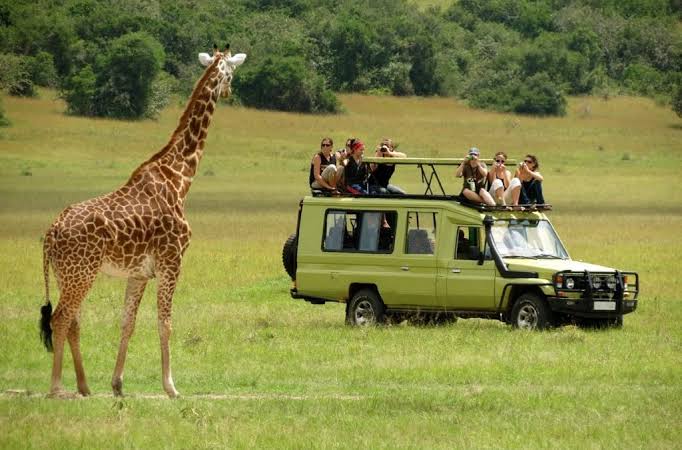
Arusha National Park has no resident lions or major predators, but it hosts one of the highest concentrations of giraffes found anywhere in Africa.
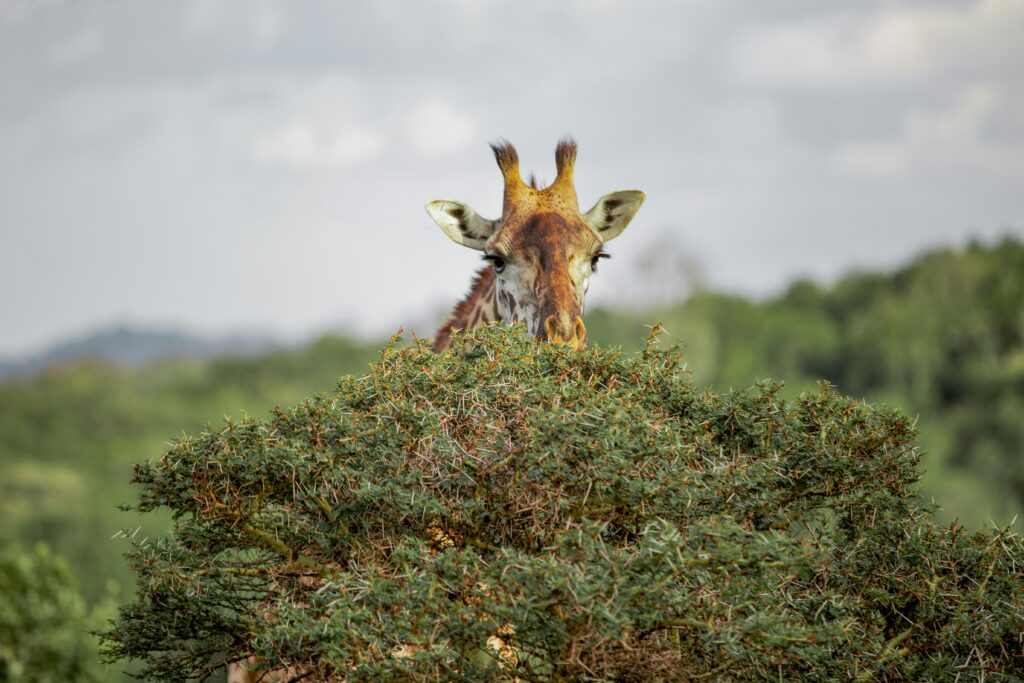
This makes it an unusually relaxed park for walking safaris, since the absence of big cats and elephants (elephants are rare visitors here) significantly lowers the risk profile for on-foot exploration.
The table below summarizes what you’re most likely to encounter, organized by category:
| Category | Species Commonly Seen | Notes |
|---|---|---|
| Large herbivores | Giraffe, buffalo, zebra, waterbuck | Giraffe density is among the highest in Africa |
| Primates | Black-and-white colobus monkey, blue monkey, baboon | Colobus monkeys are most visible in the forested zones |
| Smaller mammals | Warthog, dik-dik, bushbuck, reedbuck, klipspringer | Frequently spotted on walking safaris |
| Occasional sightings | Hyena, leopard, hippo | Uncommon; not guaranteed on a single visit |
| Birdlife | Flamingo, pelican, kingfisher, secretary bird | Over 400 species recorded around the Momella Lakes |
For comparison, if you’re building a broader wildlife-focused itinerary, our destination pages for Lake Manyara National Park and Ngorongoro Crater cover parks with denser predator populations if that’s your priority elsewhere in the trip.
Can You Do a Walking Safari in Arusha National Park?
Yes. Arusha National Park offers guided walking safaris led by an armed park ranger, typically lasting two to three hours. These walks allow you to explore forest and grassland zones on foot, observe smaller wildlife and birds up close, and cross the Jekukumia River toward a small waterfall. The park’s minimal predator population is precisely what makes this activity possible here, unlike in predator-dense parks such as the Serengeti.
How to Plan the Perfect Day Trip to Arusha National Park
Planning an Arusha National Park day trip involves choosing between a half-day or full-day itinerary, arranging transport, and timing your visit around your main trip. Most travelers underestimate how much a half-day itinerary can cover, but a full day gives you room to combine two or more activities without rushing.
Half-Day vs. Full-Day Itineraries
A half-day trip (roughly four hours) typically covers a game drive through the Ngurdoto Crater viewpoints and Momella Lakes area, suitable for travelers with limited time or a same-day flight. A full-day trip (six to eight hours) adds a guided walking safari, a picnic lunch by the lakes, and time for photography, making it the better option if Arusha National Park is your only stop that day.
What Gate Should You Use?
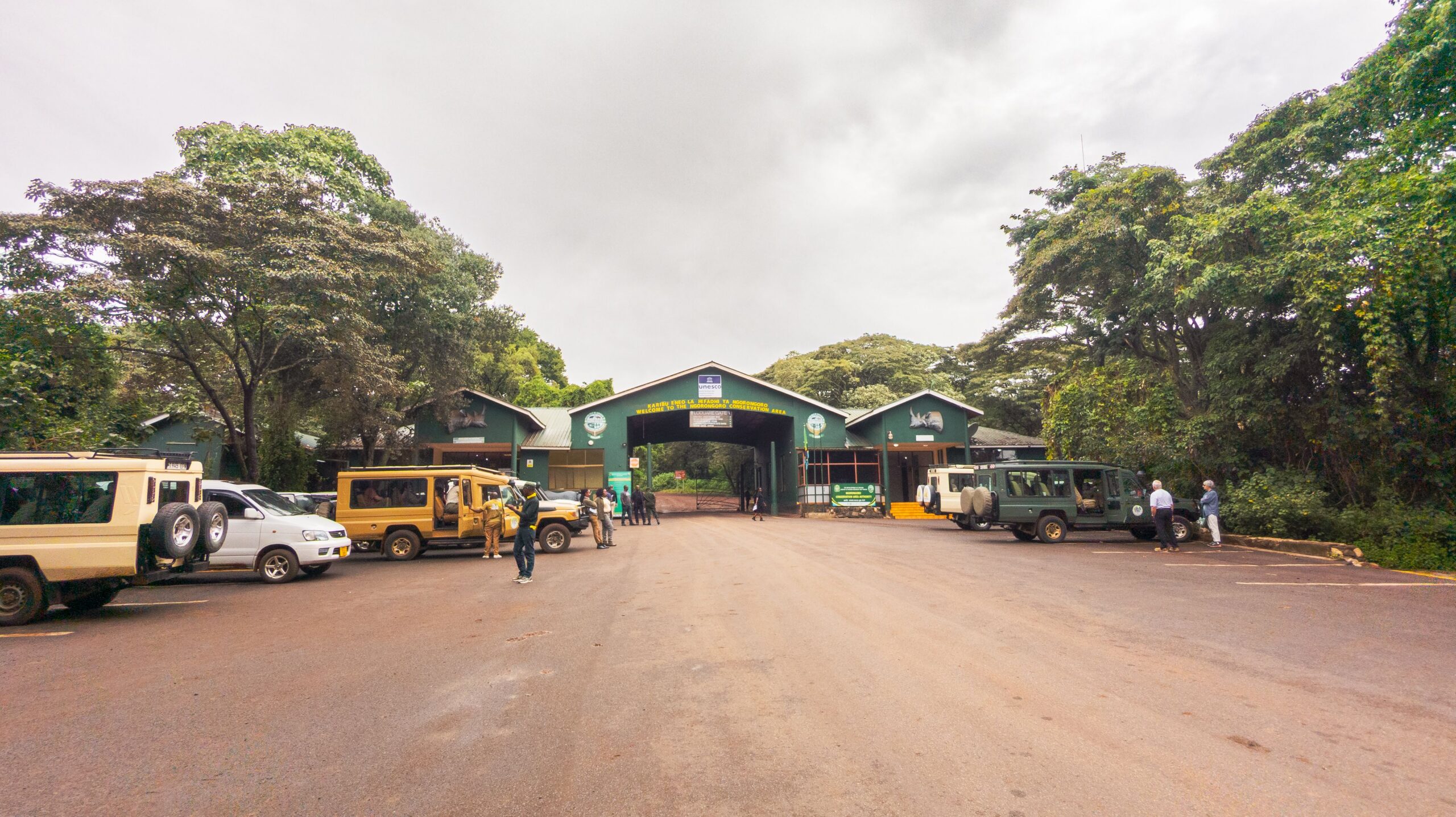
Most visitors enter Arusha National Park through the Ngongongare Gate, the main entrance for game drives and walking safaris. Travelers hiking toward Mount Meru instead use the Momella Gate, which sits closer to the mountain’s trailhead. Your tour operator will typically choose the gate based on which activities you’ve booked, so confirm this in advance if you have a specific activity in mind.
How Much Does an Arusha National Park Day Trip Cost?
Costs vary by operator, group size, and whether you add a walking or canoeing safari, but day trips generally include park entry fees, a private vehicle and driver-guide, and a packed or picnic lunch. Walking safaris and canoeing safaris usually carry additional per-person fees on top of the standard park entry cost, since they require an armed ranger escort. Because pricing structures vary between budget, mid-range, and luxury operators, it’s worth comparing options — our budget Tanzania safari guide, mid-range Tanzania safari guide, and luxury Tanzania safari guide each outline what’s typically included at different price points.
What Should You Pack for a Day Trip to Arusha National Park?
Pack layered clothing, sturdy closed-toe walking shoes, sun protection, and insect repellent, since the park spans multiple elevation and vegetation zones in a single day. Binoculars are worth bringing given the park’s strong birdwatching reputation, and a light rain jacket is useful year-round due to the forested, sometimes misty terrain around Ngurdoto Crater and Mount Meru’s lower slopes.
Can You See Mount Kilimanjaro From Arusha National Park?
Yes, on clear days you can see Mount Kilimanjaro in the distance from several points within Arusha National Park, particularly around the Momella Lakes. Visibility depends heavily on weather and season, with the clearest views typically occurring in the drier months. This makes the picnic stop at the lakes a popular spot for photos that capture both the park’s foreground scenery and Kilimanjaro’s snow-capped peak in the background.
Booking Options and Sample Itineraries
Once you know what you want to do, the next step is deciding how to book it. Both private tour operators and self-drive options exist, though most international visitors choose a guided tour for logistical simplicity and access to walking and canoeing safaris, which require a licensed ranger.
Private Tour Operators vs. Self-Drive
Private guided tours include a driver-guide, vehicle, and all necessary permits, and they’re the only way to access walking or canoeing safaris, since those require an accompanying ranger. Self-drive is possible for a standard game drive if you have a 4×4 vehicle and are comfortable navigating park roads independently, but it won’t unlock the on-foot experiences that make Arusha National Park distinctive. If you’re weighing your overall trip style, our family safari guide and honeymoon safari guide both cover how day trips like this one fit into different travel styles.
Sample Full-Day Itinerary
- 7:30–8:00 AM — Pickup from your hotel in Arusha town or transfer from Kilimanjaro Airport
- 8:30–9:00 AM — Arrival at Ngongongare Gate and start of the game drive toward Ngurdoto Crater
- 10:00–11:30 AM — Guided walking safari, crossing the Jekukumia River toward the waterfall
- 12:00–1:00 PM — Picnic lunch at Momella Lakes with flamingo and Kilimanjaro views
- 1:30–3:30 PM — Afternoon game drive around the Momella Lakes circuit
- 4:00–4:30 PM — Departure and return transfer to Arusha town or your next destination
This kind of single-day structure is easy to slot into a longer trip. To see how it might connect with a bigger safari loop, check our overview of how many days you’ll want for the Serengeti or when to visit Tarangire.
What’s Next: Combining Your Day Trip With Other Pre- or Post-Safari Activities
Arusha National Park pairs naturally with several other short activities near Arusha and Moshi, so you can extend your “spare day” into something richer without much extra planning. Travelers with two free days often combine the park with a coffee tour, a cultural visit, or an extra day added onto a longer circuit itinerary.
If you have an additional day, consider pairing your Arusha National Park visit with a coffee tour and waterfall hike near Kilimanjaro, or a half-day cultural visit to Arusha town’s markets and heritage sites. For travelers still finalizing the rest of their trip, our Tanzania safari experiences guide outlines other short add-on activities across the northern circuit, and our best time to see the great migration guide helps you time a longer safari around Arusha National Park if wildlife migration viewing is also on your list.
If you’re ready to start planning, reach out through our contact page and our team can help build a day-trip itinerary around your existing Kilimanjaro or safari dates.
Frequently Asked Questions About Arusha National Park Day Trips
Do You Need a Permit to Hike Mount Meru From Arusha National Park?
Yes, a Mount Meru hiking permit is required in addition to standard park entry, and it’s typically arranged by your tour operator as part of a Mount Meru day-hike package. Rangers escort all hikers on the mountain, both for safety and because the route passes through areas where buffalo and other wildlife are occasionally encountered. If you’re only doing a short day hike to Miriakamba Hut rather than a full multi-day summit attempt, your operator can usually confirm same-day permit availability.
What Time of Year Is Best for an Arusha National Park Day Trip?
Arusha National Park is a year-round destination, but the dry seasons (roughly June through October and January through February) offer the clearest views of Mount Kilimanjaro and easier walking conditions on the trails around Ngurdoto Crater. The wetter months bring lush, vivid scenery and excellent birdwatching around the Momella Lakes, though trails can be muddier and Kilimanjaro views less reliable. If your day trip is anchored around clear mountain photography, aim for a dry-season date; if birdlife is your priority, the shoulder and wet seasons often deliver stronger sightings.
How Does Arusha National Park Compare to a Half-Day Safari Elsewhere?
Compared to squeezing a half-day into a much larger park, Arusha National Park’s compact size works in your favor. A half-day safari here covers a meaningful share of the park’s highlights, whereas a half-day in a sprawling reserve like the Serengeti barely scratches one corner of it. That’s part of why so many travelers use Arusha National Park specifically as a short, self-contained add-on rather than trying to shorten a visit to a larger park instead.
Is Arusha National Park Safe for Families With Children?
Arusha National Park is generally considered one of the more family-friendly parks on the northern circuit, largely because of its low predator density and shorter drive times between sightings. Walking safaris are usually restricted to older children who can manage a two- to three-hour guided walk, but game drives and the Momella Lakes picnic stop work well for younger kids too. Families building a longer, multi-generational itinerary can find more planning guidance in our family safari guide, which covers pacing and activity selection for mixed-age groups.
Can You Combine Arusha National Park With Other Parks in One Trip?
Yes, and most travelers already do this without realizing it, since Arusha National Park sits close to the starting point of most northern-circuit routes. A common pattern is to open the trip with a day at Arusha National Park, then continue on to Lake Manyara, Ngorongoro Crater, and the Serengeti over the following days. Because it requires no significant backtracking, it fits naturally at either end of that loop rather than needing its own dedicated travel day.
Practical Booking Checklist
Before you lock in your Arusha National Park day trip, run through a short checklist to make sure nothing gets missed in the final planning stages. Most issues on the day itself trace back to a gap in this early planning stage, not to the park experience itself.
- Confirm pickup logistics. Verify whether your operator picks you up from your Arusha hotel or from Kilimanjaro Airport directly, since this affects your total drive time.
- Decide on activities in advance. Walking and canoeing safaris require ranger bookings that aren’t always available same-day, so confirm these when you book, not on arrival.
- Check the season. Cross-reference your travel dates against dry- and wet-season patterns, especially if Kilimanjaro photography or birdwatching is a priority.
- Clarify what’s included. Ask whether park entry fees, lunch, and any walking-safari surcharges are bundled into your quoted price or billed separately.
- Align it with your broader itinerary. If you’re also visiting other parks, use our Serengeti trip-length guide or Tarangire timing guide to make sure your Arusha day doesn’t compete with travel days elsewhere in the trip.
Once these details are locked in, an Arusha National Park day trip requires very little additional effort — most of the work happens well before you ever reach the Ngongongare Gate.
Conclusion
Arusha National Park proves that a big safari experience doesn’t require a big time commitment. In under a day, you can walk through forest and grassland, canoe past flamingo-filled lakes, catch a glimpse of Kilimanjaro on the horizon, and see one of Africa’s densest giraffe populations — all within an hour of Arusha town or Kilimanjaro Airport. Whether you use it to ease into your trip or to unwind before flying home, this small park delivers an outsized experience. If your Tanzania itinerary has a spare day on either end, Arusha National Park is worth claiming it.
Written by John Dante, Founder and Managing Partner at Serengeti Trails Safaris, with over a decade of on-the-ground experience planning Tanzania safaris and Kilimanjaro climbs.
Reviewed by Serengeti Trails Safaris Editorial Team, specializing in northern-circuit park logistics and itinerary planning.
Disclaimer: This article was initially drafted using AI assistance. However, the content has undergone thorough revisions, editing, and fact-checking by human editors and subject matter experts to ensure accuracy.
</blog_post>