
Ruaha National Park, Tanzania
One of Tanzania's largest and most wildlife-rich protected areas — large elephant herds, strong predator sightings, endangered African wild dogs, kudu and baobab-studded landscapes along the Great Ruaha River.
Ruaha National Park Quick Facts
| Country | Tanzania |
|---|---|
| Region | Iringa Region, south-central Tanzania |
| Park size | 20,226 km² |
| Nearest major town | Iringa |
| Main river | Great Ruaha River |
| Known for | Elephants, lions, wild dogs, kudu and birdlife |
| Bird species | 574 recorded species |
| Main safari activity | Game drives |
| Other experiences | Walking safaris, bird watching and bush meals |
| Main airstrips | Msembe and Jongomero |
| Best general wildlife period | June–October |
| Commonly combined with | Nyerere and Mikumi on the Southern Circuit |
Where Is Ruaha National Park?
Ruaha National Park is located in south-central Tanzania, in the Iringa Region, approximately 130 kilometres from Iringa town by road. It is part of the larger southern Tanzania safari landscape and can be combined with destinations such as Nyerere National Park for a southern-circuit itinerary.
For travellers arriving by air, flights can connect the park with destinations including Dar es Salaam, Arusha and other Tanzanian hubs. The park has airstrips at Msembe, near park headquarters, and Jongomero.
By road, Ruaha is considerably more remote than the popular parks around Arusha. That remoteness is one of the reasons travellers choose it when they want a quieter wildlife experience.
What Is Ruaha National Park Known For?
Ruaha is particularly notable for its combination of large landscapes, elephants, predators and unusual antelope species.
Elephants
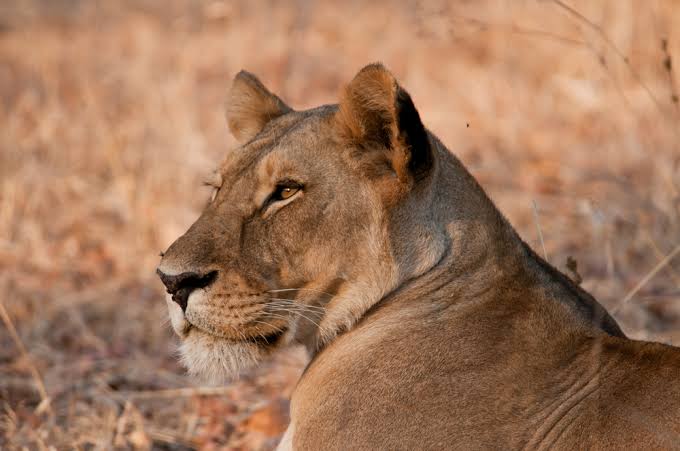
Elephants are among the park's signature wildlife. The extensive woodland, grassland and river systems provide important habitat across the Ruaha landscape. During the dry season, water becomes increasingly concentrated around rivers, pools and remaining water sources, making these areas important locations for wildlife viewing.
Lions and Other Predators
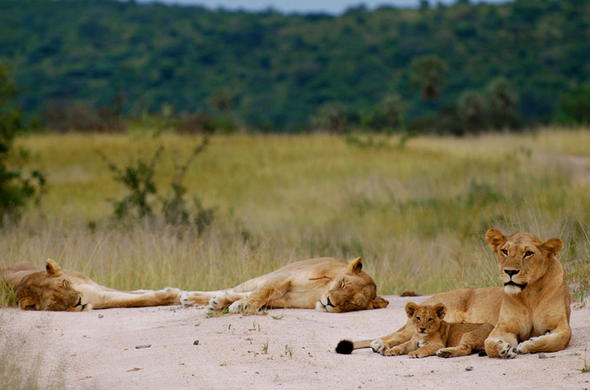
Ruaha is an excellent destination for viewing large predators. Large lion prides are regularly associated with the park, while leopards, cheetahs, spotted hyenas and African wild dogs may also be encountered. SafariBookings describes Ruaha as particularly strong for predator viewing and notes that some lion prides can number more than 20 individuals.
African wild dogs are one of Ruaha's major attractions, alongside the wild dog populations found further east in Nyerere National Park. Sightings are never guaranteed, but the park's enormous size and suitable habitat make southern Tanzania an important area for this endangered species.
Greater and Lesser Kudu
One of Ruaha's most distinctive wildlife features is its kudu population. TANAPA identifies the greater kudu as the park's identity species and notes that Ruaha is also at the southernmost limit of the lesser kudu's continental range.
Other antelope species found in the wider Ruaha ecosystem include sable, roan, eland, impala, gazelle and hartebeest.
Birds
Ruaha is an important birding destination, with 574 recorded bird species according to TANAPA. The park's varied habitats support raptors, hornbills, bee-eaters, rollers, water-associated species and many woodland birds. The wet season is particularly attractive to birdwatchers because migrant species add to the resident bird population.
The Great Ruaha River
The Great Ruaha River is one of the defining geographical features of the national park.
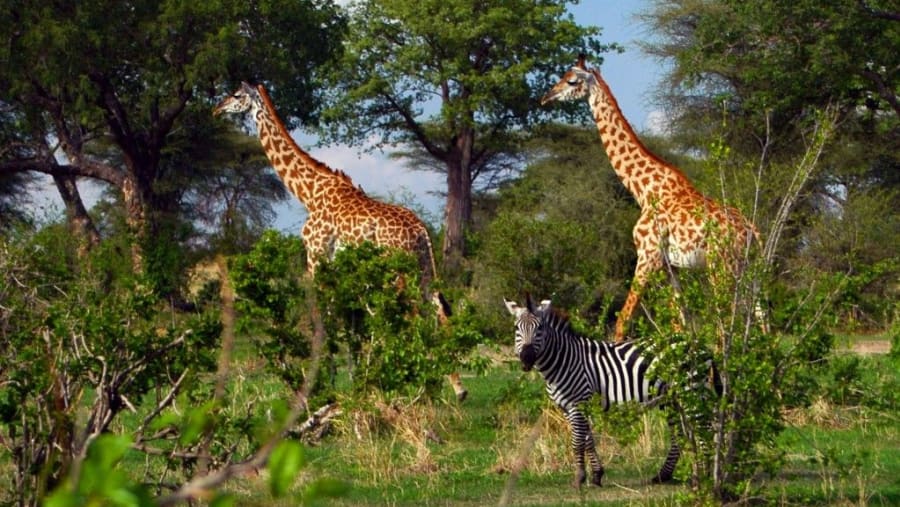
It provides an important water source and helps concentrate wildlife during the dry months. The river and associated seasonal water sources support elephants, hippos, crocodiles, birds and numerous prey species — a river-driven ecology broadly similar in importance to how the Rufiji River shapes wildlife movement in Nyerere.
For wildlife photographers, the river environment can provide opportunities to observe interactions between predators and prey as animals gather around increasingly limited water.
The river is not simply a scenic feature of Ruaha; it is an important part of how wildlife uses the landscape.
Ruaha National Park Landscape and Habitats
Ruaha's landscape is considerably more varied than a simple open-grassland safari environment. The park contains:
- Miombo woodland
- Open grassland
- Acacia and other woodland habitats
- Riverine vegetation
- Seasonal watercourses
- Rocky hills and escarpments
- Baobab-dominated areas
- Savannah plains
This ecological diversity helps explain the park's unusual combination of eastern and southern African wildlife characteristics.
The vegetation can also make wildlife viewing different from the classic open plains experience associated with the Serengeti. In some areas, animals are more difficult to spot because of thicker woodland, while other sections provide broad views across open country.
Best Things to Do in Ruaha National Park
| Activity | What to Expect |
|---|---|
| Game Drives | The principal way to explore Ruaha. Morning and afternoon drives allow visitors to cover different parts of the park while looking for elephants, lions, buffalo, giraffes, zebras, antelope and predators. The park's enormous size means drives can involve substantial distances and different habitats. |
| Walking Safaris | A different way to experience Ruaha — learning about animal tracks, plants, insects, birds and other smaller aspects of the ecosystem rather than focusing only on large animals. TANAPA specifically lists this among the park's experiences; always undertaken with an authorised guide or ranger. |
| Bird Watching | Suitable for both dedicated birdwatchers and travellers who simply want to add birding to a wildlife trip. The wet season can be especially rewarding because of migrant species, greener vegetation and increased bird activity. |
| Photography | Strong opportunities for wildlife and landscape photography — elephants, predators, kudu, baobabs, river environments and relatively low vehicle density create a different photographic experience from more heavily visited destinations. |
| Bush Meals & Wilderness Experiences | Selected camps and operators offer bush breakfasts, lunches and dinners in designated areas, complementing the main wildlife activities. |
Best Time to Visit Ruaha National Park
The best overall period for a Ruaha National Park visit is generally June to October, particularly if your priority is wildlife viewing. During the dry season, vegetation becomes thinner and animals increasingly gather around dependable water sources.
| Period | What to Expect |
|---|---|
| June – October | The strongest period for conventional game viewing: easier wildlife spotting, concentrations of animals around water, good conditions for photography, very little rainfall, cooler and drier conditions, and generally fewer visitors than Tanzania's busiest northern parks. |
| November – April | The wetter months bring greener landscapes, seasonal water and increased bird activity — migratory birds make this period particularly interesting for birdwatchers. Rainfall can affect road conditions and some accommodation properties may operate seasonally. |
| May | An attractive shoulder period, combining the transition from wetter conditions toward the dry season. Conditions vary from year to year. |
How to Get to Ruaha National Park
By Air
Flying is the most convenient option for travellers who want to reduce the long road journey from Tanzania's major tourism hubs. Scheduled and charter flights can connect Ruaha with destinations such as Dar es Salaam and Arusha, while the park's principal airstrips include Msembe and Jongomero.
By Road
Ruaha can be accessed by road from Iringa. Tanzania's tourism information places the park at approximately 130 km from Iringa town. A road safari can be worthwhile for travellers building a southern Tanzania itinerary rather than simply transferring directly into the park.
Where to Stay in Ruaha National Park
Accommodation ranges from park-operated facilities and campsites to private safari camps and lodges.
Options associated with the destination include Jabali Ridge, Jongomero, Kigelia, Mwagusi Safari Camp, Kwihala and Ruaha River Lodge, among others. Tanzania's tourism information also lists public camping, special campsites, bandas and park cottages.
The right accommodation depends on your safari style, budget, preferred level of comfort and the type of wildlife experience you want. Compare our budget, mid-range and luxury safari options for an idea of accommodation levels available in southern Tanzania.
For travellers prioritising a premium wilderness stay, private tented camps and lodges provide a more immersive base for exploring the park. Budget-conscious visitors can investigate the park's camping and self-catering options where available.
How Many Days Do You Need in Ruaha?
For a first visit, three to four nights is a practical starting point, while four to five nights allows more time to explore the park's enormous area without rushing.
A short stay can provide an introduction to Ruaha, but the park's scale is one of its defining characteristics. Recent traveller discussions also point out that staying longer makes more sense than treating Ruaha as a quick stopover.
Ruaha works particularly well as part of a southern Tanzania itinerary combining wildlife destinations such as Nyerere and Mikumi, rather than as an isolated destination for travellers with limited time.
Is Ruaha National Park Worth Visiting?
Yes, particularly if you want a Tanzania national park with large wilderness areas, strong predator viewing, elephants, wild dogs, unusual antelope species and fewer safari vehicles.
Ruaha's appeal is different: scale, wildlife diversity, remoteness and a quieter safari environment. Recent traveller discussions consistently mention the park's low-density safari atmosphere, while professional safari guides highlight its predator and wild-dog viewing potential.
Explore nearby destinations:
Ruaha National Park vs Serengeti
Ruaha and Serengeti offer distinctly different safari experiences.
| Destination | Better Suited To |
|---|---|
| Ruaha | Travellers looking for a large, relatively remote wilderness area, elephants, wild dogs, kudu, baobabs and southern Tanzania's distinctive landscapes |
| Serengeti | Travellers specifically interested in the Great Migration, vast open plains and one of Tanzania's most internationally recognised safari ecosystems |
Rather than choosing one purely by reputation, consider what you want to see and how you want to experience Tanzania.
Frequently Asked Questions About Ruaha National Park
Where is Ruaha National Park located?
How large is Ruaha National Park?
What animals can you see in Ruaha?
Is Ruaha good for seeing lions?
Are wild dogs found in Ruaha?
What is Ruaha National Park famous for?
What is the best month to visit Ruaha?
How far is Ruaha National Park from Iringa?
Can you fly to Ruaha National Park?
Is Ruaha suitable for a first Tanzania safari?
Explore Ruaha With Serengeti Trails Safaris
Ruaha's enormous scale, diverse habitats and strong wildlife populations make it one of Tanzania's most distinctive safari destinations. We can help you plan a Ruaha-focused itinerary around wildlife photography, predator viewing, birding or a wider southern Tanzania circuit.
Get a Free Quote