Serengeti National Park, Tanzania
Tanzania's flagship safari destination and the core of the wider Serengeti-Mara ecosystem — home to the Great Wildebeest Migration and exceptional year-round wildlife.
Quick Facts
| Location | Northern Tanzania |
|---|---|
| Park size | Approximately 14,763 km² |
| Known for | Great Wildebeest Migration and year-round wildlife |
| UNESCO status | World Heritage Site |
| Main safari areas | Central Serengeti, Western Corridor, Northern Serengeti, Southern plains |
| Main activities | Game drives and hot-air balloon safaris |
| Best for | Big Five wildlife viewing, migration safaris, photography, multi-day Tanzania safari circuits |
| Commonly combined with | Ngorongoro Crater and Tarangire National Park |
Why Visit Serengeti National Park?
The Serengeti offers one of the largest and most diverse wildlife experiences in Tanzania. Its scale means that different parts of the park provide different safari experiences throughout the year.
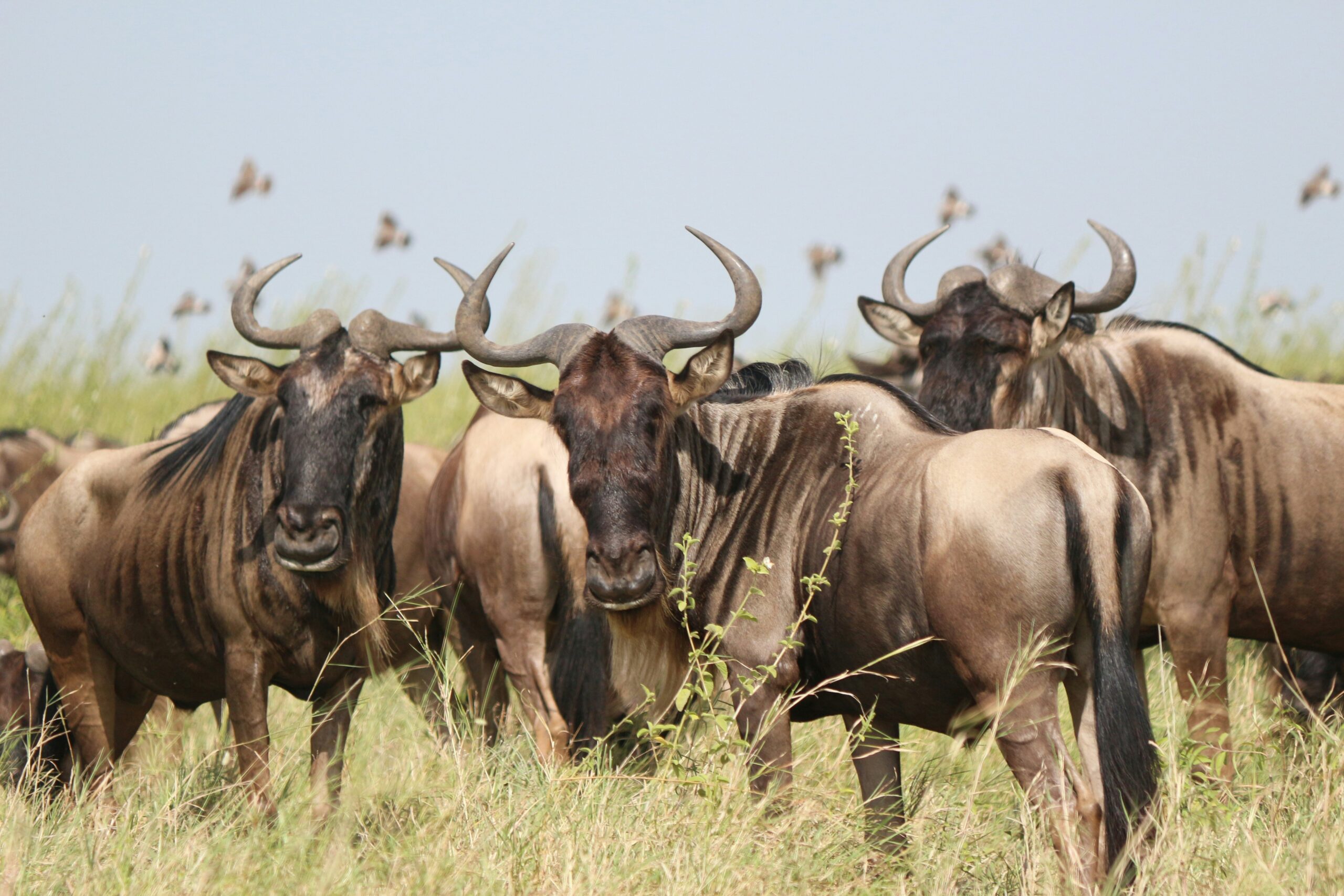
The park is especially famous for the Great Wildebeest Migration, when more than a million wildebeest move through the Serengeti-Mara ecosystem in search of fresh grazing and water, accompanied by large numbers of zebra and gazelle. However, migration timing should not be the only reason to visit.
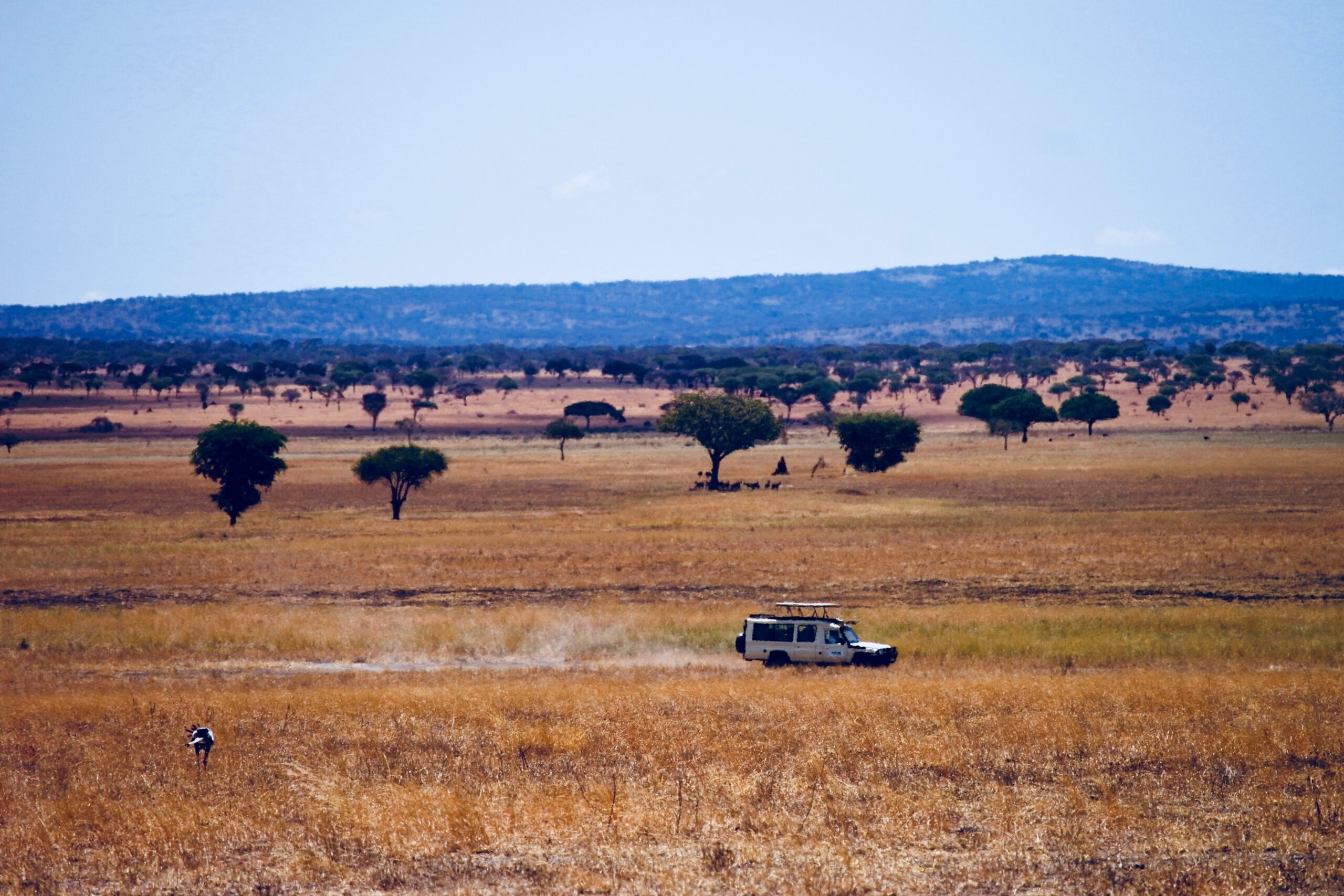
The permanent wildlife of the Serengeti is a major attraction in its own right. The central Seronera area, for example, is particularly well known for reliable sightings of lions, leopards, cheetahs and other resident species.
The Serengeti also forms part of a larger ecological system extending beyond the national park into the Ngorongoro Conservation Area, surrounding game reserves and Kenya's Maasai Mara. This connected landscape is what allows the annual movement of wildlife to continue across national boundaries.
Serengeti Wildlife
Serengeti National Park supports an exceptional variety of mammals and birds. A typical game drive can produce sightings across the following categories:
| Category | Species Commonly Seen |
|---|---|
| Predators | Lions, leopards, cheetahs, spotted hyenas |
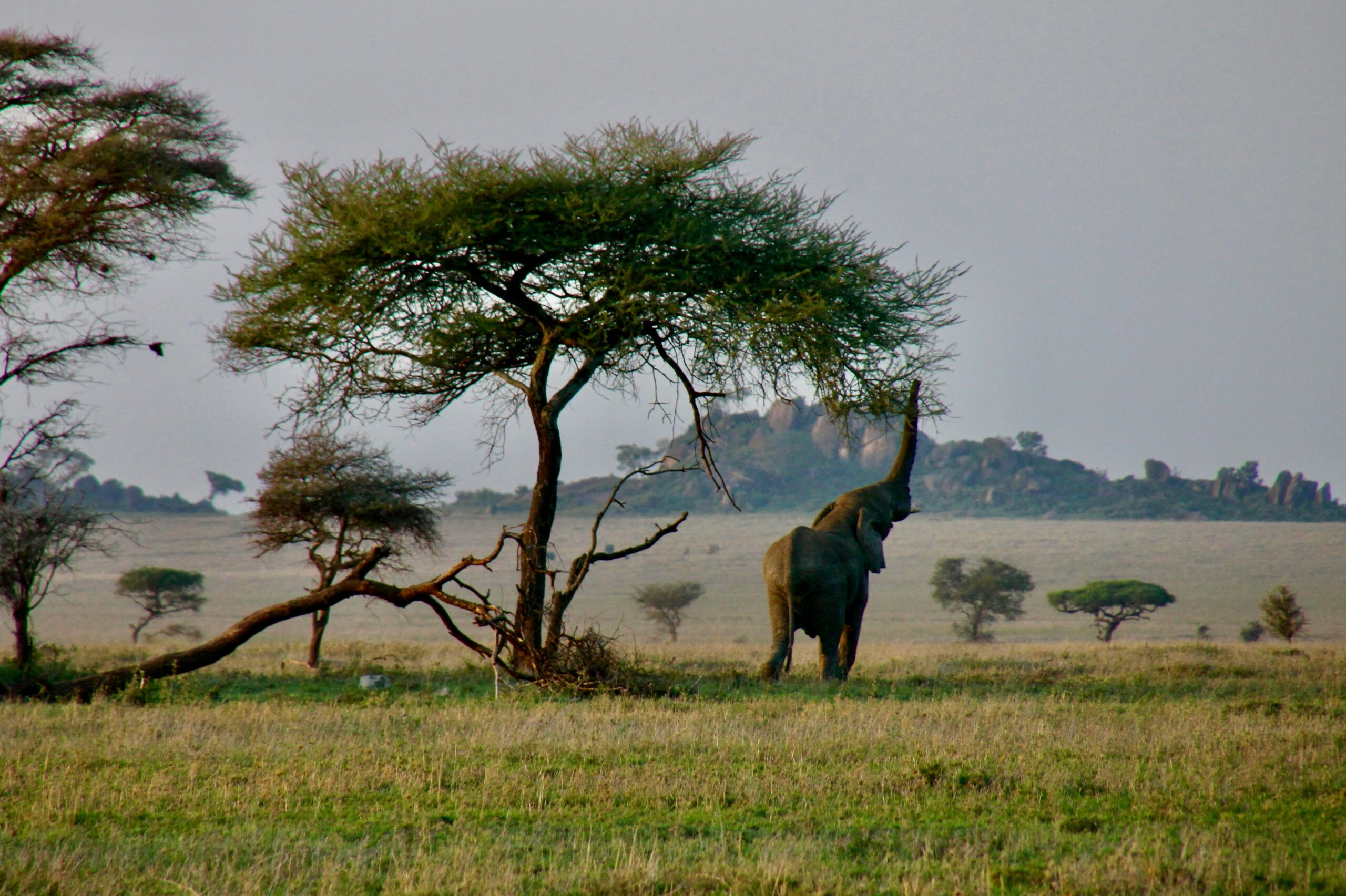
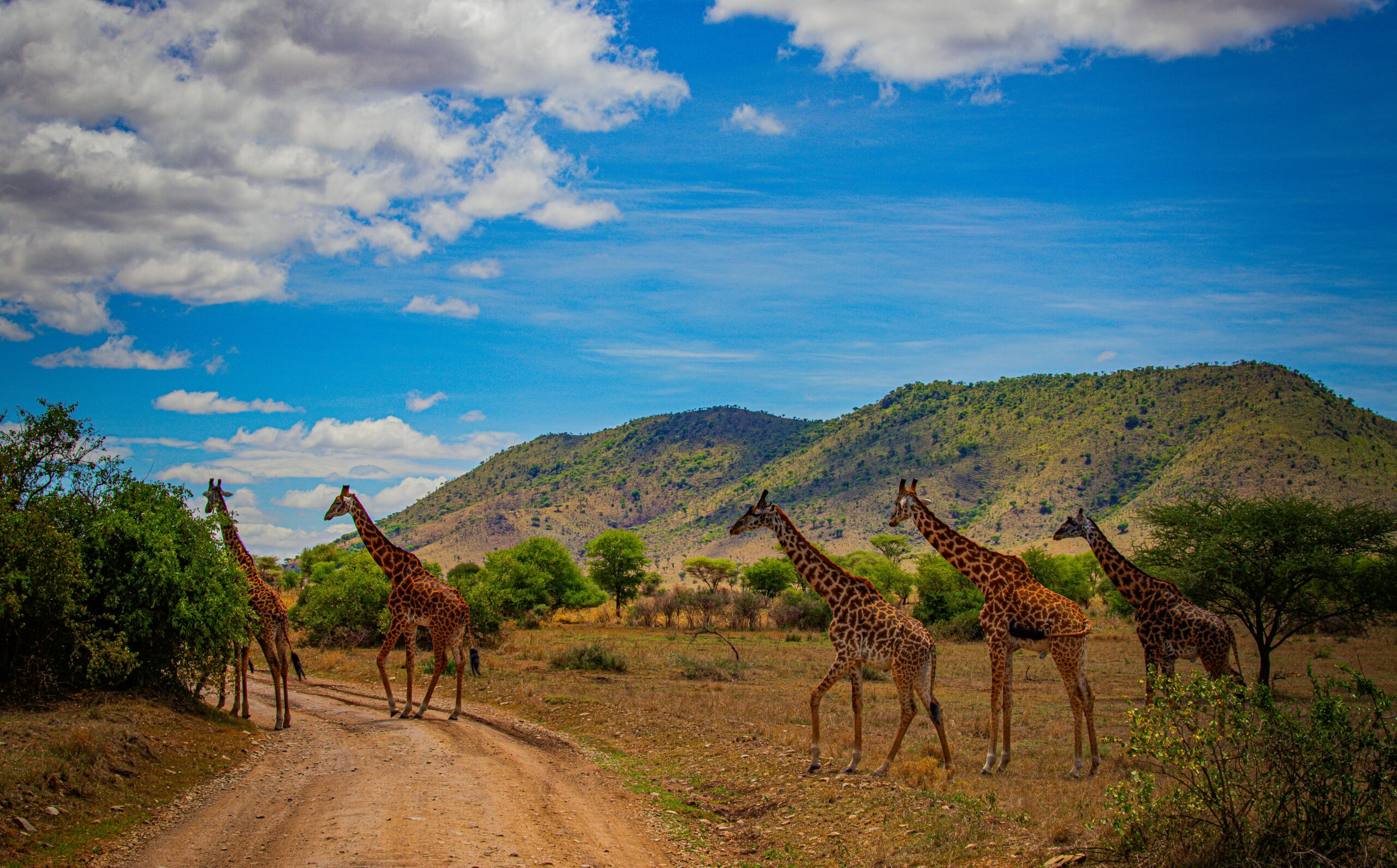
| Large herbivores | African elephants, buffalo, black rhinoceros, giraffes, hippos |
| Migration species | Wildebeest, plains zebra, Thomson's gazelles |
| Other wildlife | Warthogs, elands and other antelope, hundreds of bird species |
The park is also one of Tanzania's important birding destinations, with hundreds of bird species recorded across its different habitats. For travellers interested in predators, Serengeti is particularly rewarding — the abundance of herbivores supports strong populations of lions, cheetahs, leopards, hyenas and other carnivores, making predator sightings possible beyond the migration season.
The Great Wildebeest Migration in Serengeti
The Great Wildebeest Migration is a continuous seasonal movement rather than a single event that happens on one fixed date. The herds move according to rainfall, water availability and grazing conditions, so exact locations can change from year to year.
| Period | Region | What to Expect |
|---|---|---|
| January – March | Southern Serengeti & Ndutu | Calving season — newborn wildebeest, strong predator activity, open grassland landscapes |
| April – May | Central Serengeti (moving north) | Transitional period; lower visitor numbers make it attractive for a quieter safari |
| June – July | Western Corridor & Grumeti River | Migration viewing away from the heaviest vehicle concentrations found further north |
| July – October | Northern Serengeti & Mara River | Possible river crossings — a natural event that cannot be guaranteed on a particular day |
River crossings can occur during the July to October period, but they are natural events and cannot be guaranteed on a particular day. Herds may gather near the river before crossing, turn back, or cross at another location. For this reason, a good migration safari should be planned around time in the right region, rather than a promise of seeing a crossing.
If a Mara River crossing is your priority, our Great Migration Safaris are built specifically around the northern Serengeti's crossing season rather than a fixed date.
Which Part of Serengeti Should You Visit?
The Serengeti is large enough that choosing the right safari area can have a major effect on your experience.
| Area | Best For | Notes |
|---|---|---|
| Central Serengeti — Seronera | Year-round wildlife, first-time visitors | Permanent water sources support resident wildlife even when the migration is elsewhere |
| Northern Serengeti | Mara River migration, remote safari experience | Kogatende and Lamai are especially popular from around July to October |
| Western Corridor | Grumeti River migration, quieter game viewing | Becomes particularly relevant as the migration moves northwards |
| Southern Serengeti | Calving season, predator viewing | Especially important January to March; open terrain suits photography |
Best Time to Visit Serengeti National Park
There is no single best month for every Serengeti safari — the right time depends on what you want to see.
| Period | Highlights |
|---|---|
| January – March | Ideal for calving and predator activity in the southern Serengeti |
| June – July | Strong period for the Western Corridor and movement towards the Grumeti River |
| August – September | Popular for Northern Serengeti migration safaris and possible Mara River crossings |
| October – December | Excellent resident wildlife viewing as the ecosystem responds to the short rains and herds move south again |
June to October is generally the dry-season period, when wildlife can be easier to spot and road conditions are often favourable. The wetter months can bring greener landscapes, fewer visitors in some areas and strong photographic conditions. Because rainfall influences the migration, dates should be treated as seasonal patterns rather than guarantees.
Serengeti Safari Activities
| Activity | What to Expect |
|---|---|
| Game Drives | The main way to explore Serengeti. Early morning and late afternoon drives are particularly useful for wildlife viewing, though full-day drives can be worthwhile when following the migration or travelling between areas. |
| Hot-Air Balloon Safari | An aerial perspective of the Serengeti plains, usually followed by a bush breakfast. Requires advance arrangement and operates from designated areas. |
| Wildlife Photography | Open landscapes, diverse wildlife and changing seasonal conditions make Serengeti well suited to photography — from predators around Seronera to migration shots in the north or calving scenes in the south. |
How to Get to Serengeti National Park
There are two main ways to reach the Serengeti: by road or by air.
| Method | Details |
|---|---|
| By Road | Most road safaris start from Arusha and travel the northern safari circuit, commonly incorporating Tarangire, Ngorongoro and Serengeti. |
| By Air | A practical alternative to reduce road-transfer time. Serengeti has several airstrips, including Seronera in the central area and Kogatende in the north — the best choice depends on your accommodation and target area. |
| International Gateway | Kilimanjaro International Airport (JRO) is one of the principal gateways for northern Tanzania safari itineraries. See our Kilimanjaro National Park guide if you're considering combining a climb with your safari. |
Where to Stay in Serengeti
Accommodation ranges from permanent safari lodges to seasonal tented camps and mobile camps. Where you stay should be determined by your safari objective rather than simply choosing the highest-rated lodge.
| Area | Best For |
|---|---|
| Central Serengeti | Year-round wildlife and easy access to Seronera |
| Northern Serengeti | Migration season and Mara River access |
| Western Corridor | Grumeti migration safaris |
| Southern Serengeti | Calving season |
A seasonal camp can sometimes be more strategically located for migration than a permanent lodge elsewhere in the park.
Serengeti Safari Cost
The cost of a Serengeti safari depends on several factors, including accommodation category, number of nights, transport, flights, park fees, season and whether the itinerary is private or shared. A budget camping safari, mid-range lodge safari and luxury tented-camp safari can therefore have very different prices even when they visit the same park.
Park conservation fees are set by Tanzania National Parks (TANAPA) and can change. Travellers should check the current official tariff when planning their safari.
How Many Days Do You Need in Serengeti?
| Duration | Recommended For |
|---|---|
| 3 nights | A useful starting point — time for several game drives and, depending on the season, flexibility to follow wildlife movements |
| 4–5 nights | Best when Serengeti is the main focus of your trip or when travelling specifically for the Great Migration |
| Longer safaris | Combine different Serengeti regions with Ngorongoro Crater, Tarangire National Park and other northern Tanzania destinations |
Serengeti and Ngorongoro: Can You Visit Both?
Yes. Serengeti and the Ngorongoro Conservation Area are commonly combined in northern Tanzania safari itineraries. The two destinations offer different experiences — Serengeti is a vast ecosystem with extensive plains and seasonal wildlife movements, while Ngorongoro offers the concentrated wildlife experience of a large volcanic crater. Combining them works particularly well for travellers visiting Tanzania for the first time.
Why Choose a Serengeti Safari in Tanzania?
Choose Serengeti if you want a safari destination where the wildlife experience changes with the season and different regions offer different opportunities. It works particularly well for:
- First-time Tanzania safari travellers
- Great Migration trips
- Big Five wildlife safaris
- Wildlife photographers
- Couples and honeymooners
- Families seeking a private safari
- Travellers combining Serengeti with Ngorongoro and Tarangire
- Visitors looking for a longer, multi-region safari
The most important planning decision is not simply when to visit Serengeti, but which part of Serengeti to visit during your chosen dates.
Explore nearby destinations:
Frequently Asked Questions About Serengeti National Park
Where is Serengeti National Park?
What is Serengeti National Park famous for?
When is the best time to visit Serengeti?
Can you see the Big Five in Serengeti?
Is Serengeti better than Maasai Mara?
How much does a Serengeti safari cost?
How do you get to Serengeti?
How many days should I spend in Serengeti?
Can you visit Serengeti and Ngorongoro on the same safari?
Plan Your Serengeti Safari
Tell us your travel dates and priorities — migration, calving, photography, or a first Tanzania safari — and our local team will build a private itinerary around them.
Get a Free Quote